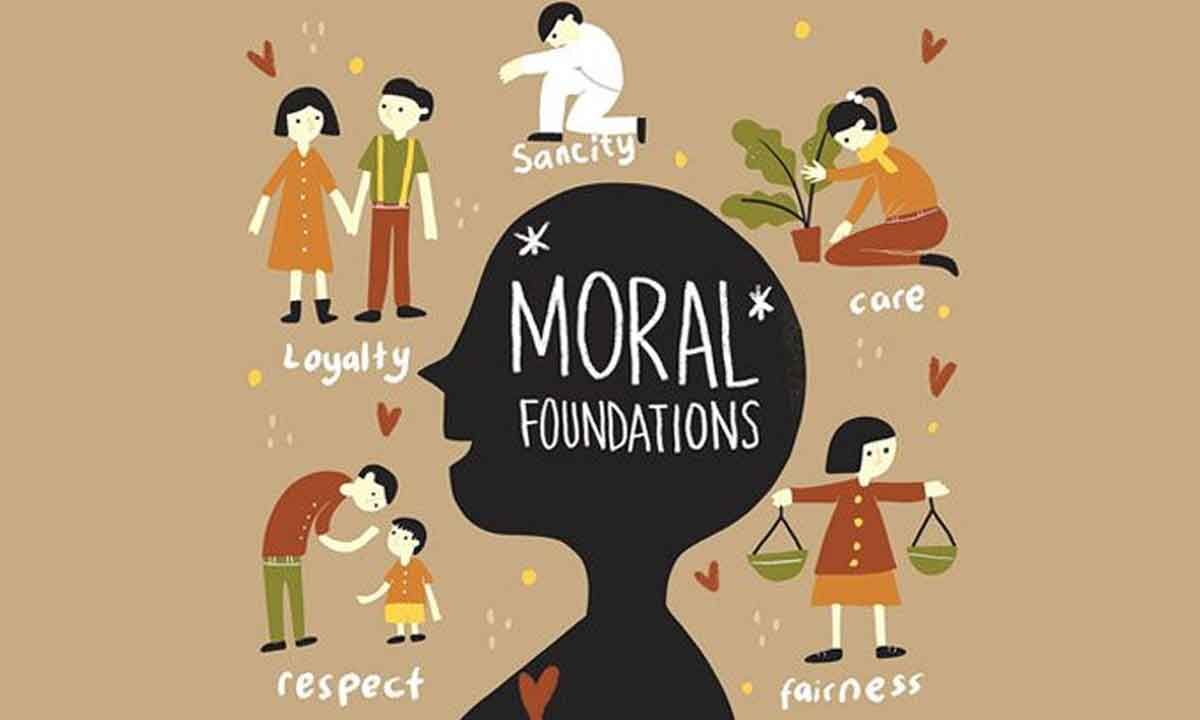
We live in an era where public trust in institutions sits near historic lows. Headlines routinely expose corporate scandals, data breaches, and executive misconduct. Behind every major headline lies a familiar pattern of compromised judgment. Understanding modern ethical failures requires looking beyond abstract moral philosophy and examining how ordinary professionals slip into systemic corruption.
The Anatomy of Modern Ethical Failure
Ethical decay rarely happens overnight. It typically follows a predictable descent from minor compromises to catastrophic failures. In high-pressure environments, professionals often prioritize short-term targets over long-term integrity. This dynamic creates blind spots where unethical choices masquerade as pragmatic business decisions.
When organizations foster cultures of fear or unyielding compliance, employees stop raising red flags. They rationalize small ethical breaches as standard operating procedure. Over time, these cumulative compromises institutionalize dishonesty. Recognizing this anatomy allows leaders to spot the warning signs before minor lapses escalate into public crises.
Core Drivers of Compromised Integrity
Several structural and psychological forces drive modern ethical breakdowns. Identifying these drivers helps organizations build robust safeguards against misconduct.
- Excessive Metric Pressure: When compensation and job security tie strictly to rigid performance targets, employees feel compelled to cut corners or manipulate data.
- Diffusion of Responsibility: In large hierarchies, individuals assume someone else will verify the rules, leading to widespread inaction when misconduct occurs.
- Echo Chamber Leadership: Executives surrounded by compliant subordinates lose touch with external realities and ethical feedback loops.
- Rationalization Habits: Phrases like "everyone does it" or "it's just business" neutralize personal accountability and pave the way for worse offenses.
Recognizing Warning Signs in Your Organization
Detecting ethical failure early demands vigilance across daily operations. Leaders must look past glossy corporate values statements and examine actual behavior.
Pay close attention to communication patterns within teams. If employees consistently withhold bad news from management, fear has likely replaced transparency. Similarly, high turnover in specific departments often signals toxic pressure or ethical strain.
The Role of Whistleblowers
Internal whistleblowers remain the most effective early-warning system for corporate fraud and misconduct. Organizations that punish or ignore dissenters invariably suffer worse consequences later. Establishing secure, anonymous reporting channels protects the organization and reinforces a culture of accountability.
According to guidelines from the Ethics & Compliance Initiative, robust reporting systems must guarantee immunity from retaliation to be effective. Without this trust, employees will remain silent until external regulators step in.
Rebuilding Trust and Accountability
Overcoming systemic ethical failures requires deliberate, sustained intervention. Superficial ethics training modules do little to alter behavior if leadership fails to model integrity.
Organizations must tie performance evaluations to ethical behavior, not just financial output. When leaders reward transparency and penalize dishonest shortcuts, they signal that integrity matters more than bottom-line expediency.
For broader insights on institutional accountability and global standards, consult resources from Transparency International. Their research highlights how institutional transparency directly correlates with lower corruption rates across both public and private sectors.
Frequently Asked Questions
What is the primary cause of corporate ethical failure?
Most failures stem from extreme pressure to meet financial or operational targets combined with weak internal oversight and a lack of psychological safety for dissenting voices.
How can employees report unethical behavior safely?
Employees should utilize designated, anonymous whistleblower hotlines or compliance reporting portals. Many jurisdictions also offer legal protections for reporting serious misconduct to external regulatory bodies like the U.S. Securities and Exchange Commission.
Does ethics training actually prevent misconduct?
Standard compliance training provides basic awareness, but true prevention requires cultural reinforcement, active leadership modeling, and clear accountability measures.
What distinguishes a personal ethical failure from a systemic one?
Personal failures stem from individual greed or poor judgment, whereas systemic failures result from organizational incentives, cultures, and structures that normalize dishonesty.