The relationship between money and winning in Major League Baseball remains one of the most fiercely debated topics in sports. Every season, massive market powerhouses push past luxury tax thresholds to secure elite talent, while smaller market clubs rely on elite scouting, efficient player development, and tactical trades to punch above their weight. This financial divide shapes pennant races, alters postseason landscapes, and forces fans to ask whether spending power dictates ultimate glory.
Examining modern roster construction reveals that while a towering payroll doesn't guarantee a World Series championship, financial might creates a massive margin for error. Understanding how front offices allocate capital, leverage the Competitive Balance Tax (CBT), and manage multi-million-dollar commitments provides a clearer picture of how teams chase supremacy on the diamond.
The Anatomy of Modern MLB Payrolls
Team spending isn't just about writing blank checks to superstars. A club's true financial footprint comprises base salaries, signing bonuses, deferred money, and luxury tax penalties. Front offices must balance long-term obligations with the flexible, cost-controlled years of young talent.
The structure of player contracts has evolved dramatically. Mega-deals featuring historic total values are often broken down by Average Annual Value (AAV), which dictates how much luxury tax space a player consumes. Deferred compensation arrangements, popularized by massive contracts like those seen in Los Angeles, allow teams to defer tens of millions of dollars to future decades, lowering immediate tax burdens while still landing generational talent.
To understand how payrolls break down across the league, it helps to look at the structural tiers:
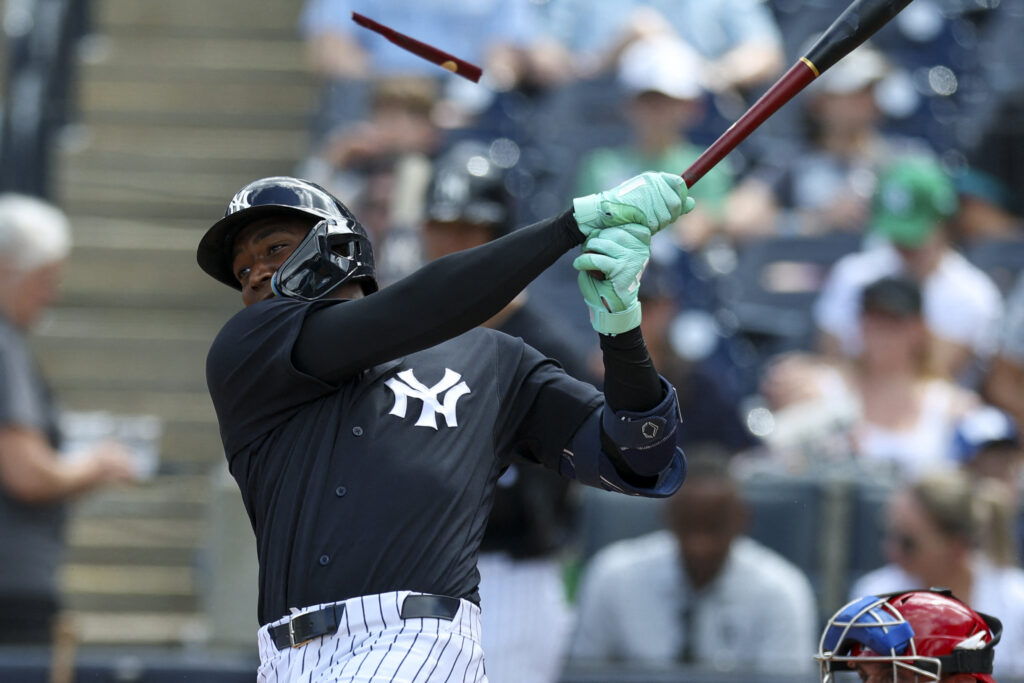
- The Elite Spenders: Clubs like the Los Angeles Dodgers, New York Mets, and New York Yankees regularly push payrolls past $300 million. They absorb mistakes quickly, trading away bad contracts or paying luxury taxes as a standard cost of doing business.
- The Mid-Tier Contenders: Teams operating in the $150 million to $250 million range must thread the needle carefully. They can afford one or two elite stars but must hit on arbitration-eligible players to fill out the remaining 26-man roster.
- The Budget-Conscious Organizations: Small-market franchises with payrolls under $120 million rely heavily on pre-arbitration players and internal academies. Their margin for error is razor-thin; missing on a draft pick can set the organization back half a decade.
The Luxury Tax and Its Limits
The Competitive Balance Tax (CBT) acts as MLB's primary mechanism to curb runaway spending. Rather than operating under a hard salary cap like the NFL or NBA, baseball uses a soft cap system. Teams can exceed the threshold, but doing so triggers escalating financial penalties and potential drops in future draft positioning.
For instance, the base CBT threshold sits at $244 million. Teams that cross this line face progressive tax rates on their overages, with repeat offenders facing even steeper fines. Despite these financial penalties, high-revenue franchises routinely treat the luxury tax as a secondary concern, proving that revenue generation in major media markets far outweighs the cost of penalties.
For a comprehensive breakdown of current tax structures and historical thresholds, consult the Spotrac MLB Payroll Tracker.
Does High Spending Buy Championships?
The ultimate criticism leveled against soaring payroll disparity is that it ruins competitive balance. Historical data, however, tells a more nuanced story. While high-spending teams capture a significant share of division titles and pennants, the postseason remains a chaotic crapshoot where small-sample-size brilliance often overrides regular-season dominance.
- The Regular Season Correlation: High payrolls correlate strongly with 90-win seasons. Depth is expensive, and teams with massive payrolls can weather injuries to key starters much better than teams with thin organizational depth.
- The Postseason Equalizer: Once October arrives, a top-five payroll does not guarantee a ring. Hot pitching, timely hitting, and tactical bullpen management frequently propel wild-card teams or lower-spending division winners past heavily favored juggernauts.
Teams that consistently win without top-tier spending typically excel in player development, international scouting, and advanced analytics. They extract maximum value from pre-arbitration players before those athletes command astronomical salaries on the open market.
The Hidden Engine: Scouting and Development
Money buys proven superstars, but sustainable success requires an elite internal engine. Because major league minimum salaries provide exceptional value for productive young players, clubs that master the draft and international signing windows maintain competitive rosters even when ownership tightens the purse strings.
Organizations like the Tampa Bay Rays and Cleveland Guardians demonstrate how smart front offices offset financial disadvantages. By developing pitching depth internally, they can trade major league-ready talent for prospects or let expensive veterans walk, reloading rather than rebuilding.
For official league updates, rule changes, and collective bargaining agreements governing player compensation, visit MLB Official Site.
Frequently Asked Questions
What is the difference between total payroll and luxury tax payroll?
Total payroll reflects the actual cash or accounting commitments paid to players for a specific season. Luxury tax payroll (or AAV payroll) calculates the average annual value of every player's contract on the 40-man roster, plus estimated player benefits, to determine where a team stands relative to the CBT threshold.
Why do some teams defer player salaries?
Deferred money allows teams to reduce the present-day AAV of a contract for luxury tax calculations. It also gives players security while helping front offices maintain financial flexibility to sign additional talent under the tax threshold.
Is there a hard salary cap in Major League Baseball?
No. MLB uses a soft cap system known as the Competitive Balance Tax. Teams are permitted to spend as much as they want, provided they pay escalating financial penalties for exceeding pre-determined thresholds.
How do small-market teams compete against high-spending giants?
Small-market teams compete by maximizing efficiency in the amateur draft, investing heavily in international scouting, utilizing data analytics, and trading high-priced veterans for controllable young talent before salary arbitration hits.



