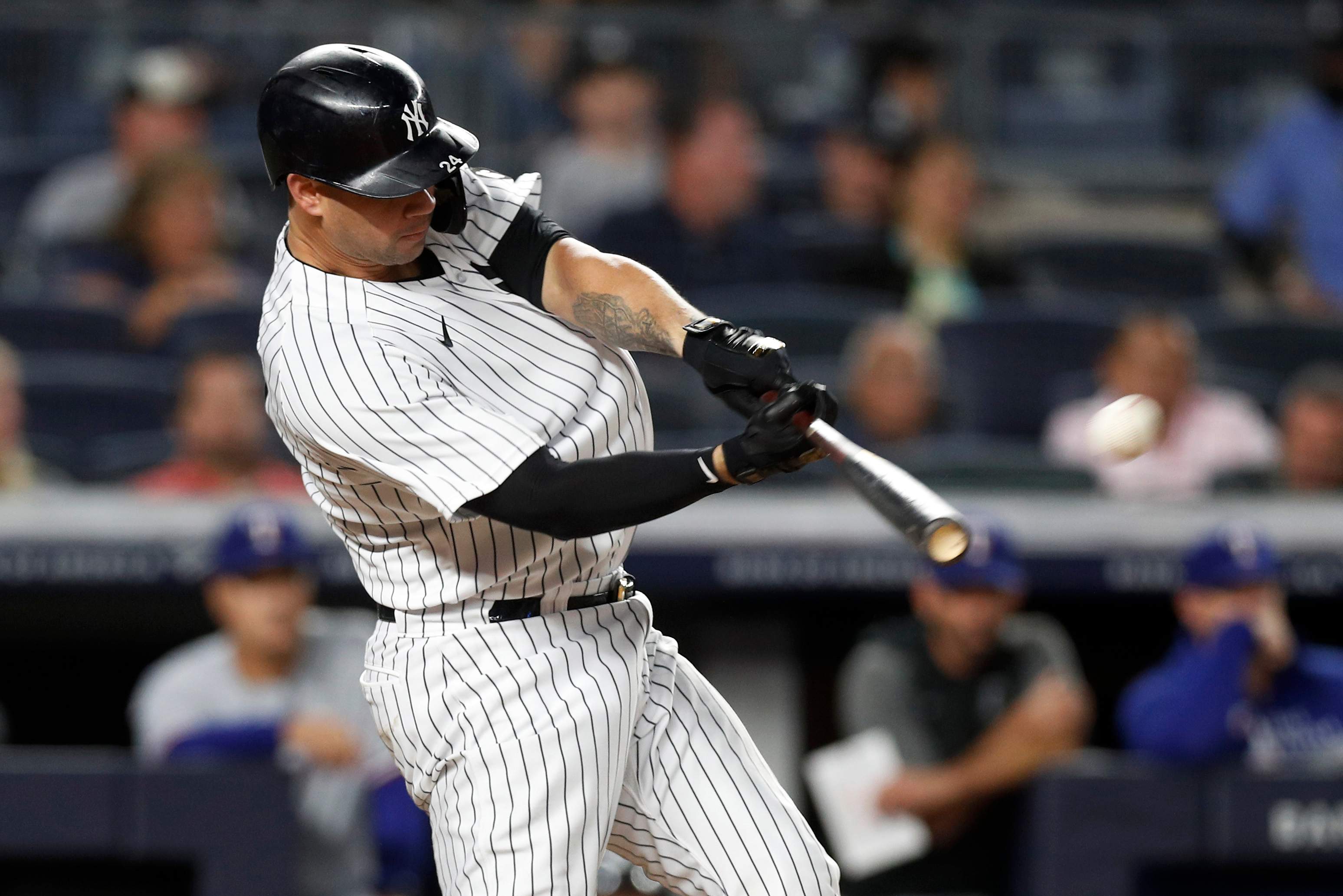
The matchup between the New York Yankees and the Los Angeles Dodgers stands as the most frequent and storied rivalry in World Series history. From their early decades in New York to their modern interleague showdowns, these two franchises have shaped the narrative of Major League Baseball. Analyzing player statistics across their iconic meetings reveals how individual brilliance alters franchise legacies, going far beyond surface-level team records.
When evaluating this historic pairing, fans and analysts often look at the all-time head-to-head numbers. The Yankees hold an edge in overall postseason meetings, while regular-season games remain tightly contested. Yet, numbers in a vacuum miss the pressure of high-leverage October at-bats, pitching duel nuances, and the shifting dynamics of baseball eras.
Historical Context and Postseason Dominance
The roots of this rivalry stretch back to Brooklyn, where the Dodgers faced the Yankees in multiple Fall Classics during the 1940s and 1950s. During this era, the Yankees captured the majority of titles, buoyed by powerhouse rosters and the stability of the reserve clause era.
Players like Mickey Mantle, Yogi Berra, and Joe DiMaggio forged legendary postseason stat lines against Brooklyn pitching. Berra, in particular, dominated critical stretches, routinely posting high on-base percentages and driving in crucial runs. For the Dodgers, Jackie Robinson brought relentless pressure, using his speed and bat-control to disrupt Yankees pitchers like Allie Reynolds and Vic Raschi.
When the Dodgers finally broke through to win the 1955 World Series, it was Johnny Podres pitching a shutout in Game 7 that cemented the victory, shifting the psychological weight of the rivalry.
Era-Adjusted Player Statistics in Iconic Showdowns
Raw statistics can distort historical comparisons because run environments and pitching workloads changed dramatically over the 20th century. Examining how key players performed relative to their peers requires looking at advanced metrics and situational context.
- Offensive Production: Yankees teams historically relied on elite slugging percentages from icons like Babe Ruth and Lou Gehrig, setting organizational expectations for power hitting. In head-to-head postseason play, Dodgers stars like Duke Snider matched that power, tying early records for home runs in a single World Series.
- Pitching Workloads: Pitchers in past decades routinely threw complete games under heavy strain. Sandy Koufax and Whitey Ford anchored their respective staffs with low eras and high strikeout numbers that modern bullpens rarely replicate.
- Clutch Performance: In modern matchups, modern sluggers and multi-positional threats like Aaron Judge, Mookie Betts, and Freddie Freeman carry the torch. Their performance in late-inning high-leverage counts dictates modern series outcomes.
For a deeper dive into how historic franchises are documented, you can visit Baseball Reference for exhaustive historical data or check out official updates on MLB.
Modern Interleague Dynamics and Roster Construction
Since interleague play became a regular feature, Yankees-Dodgers matchups have evolved from rare October meetings into marquee regular-season events. Modern front offices construct rosters designed to neutralize specific pitching profiles, leveraging data analytics, launch angles, and defensive positioning.
Despite these modern analytical shifts, individual player performance still relies on fundamental skills: plate discipline, fastball recognition, and executing pitches with runners in scoring position. When contemporary superstars step into the batter's box against elite closing pitchers, the ghosts of October past often seem to dictate the tension.
Key Factors in Modern Player Evaluations
- Platoon Splits: Managers frequently exploit left-right matchups in late innings, making bench depth critical.
- Bullpen Versatility: Modern pitching staffs rely heavily on multi-inning relievers and high-velocity arms rather than relying solely on workhorse starters.
- Defensive Metrics: Range factor and defensive runs saved often decide close games in spacious modern ballparks.
Common Mistakes When Analyzing Historical Matchups
Analyzing baseball rivalries requires avoiding a few common analytical traps. Recognizing these pitfalls ensures a clearer understanding of player value.
- Ignoring Era Context: Comparing raw home run totals or batting averages across different decades without adjusting for league averages or pitching depth leads to flawed conclusions.
- Overweighting Small Sample Sizes: Postseason series are short. A player can bat .500 or .100 over a four-to-seven-game stretch due to variance rather than true skill level.
- Disregarding Ballpark Factors: Historical venues like Yankee Stadium and Ebbets Field had unique dimensions that heavily influenced individual offensive and defensive statistics.
For additional historical insights, explore resources provided by the National Baseball Hall of Fame.
Frequently Asked Questions
How many times have the Yankees and Dodgers met in the World Series?
The two franchises have met 12 times in the World Series, with the Yankees winning eight of those matchups and the Dodgers winning four.
Who holds the all-time postseason win advantage between the two teams?
The Yankees hold the historical edge in total postseason games won against the Dodgers, reflecting their dominance during mid-century matchups.
Why are player stats from early World Series matchups difficult to compare to modern stats?
Early eras featured different travel conditions, fewer total regular-season games, different pitching workloads, and an absence of modern defensive shifts or advanced relief specialization.
How do modern player statistics influence regular-season games between these teams?
Coaching staffs use Statcast metrics, pitch-tracking data, and platoon splits to optimize lineups, shifting the strategic focus from traditional scouting reports to predictive modeling.



