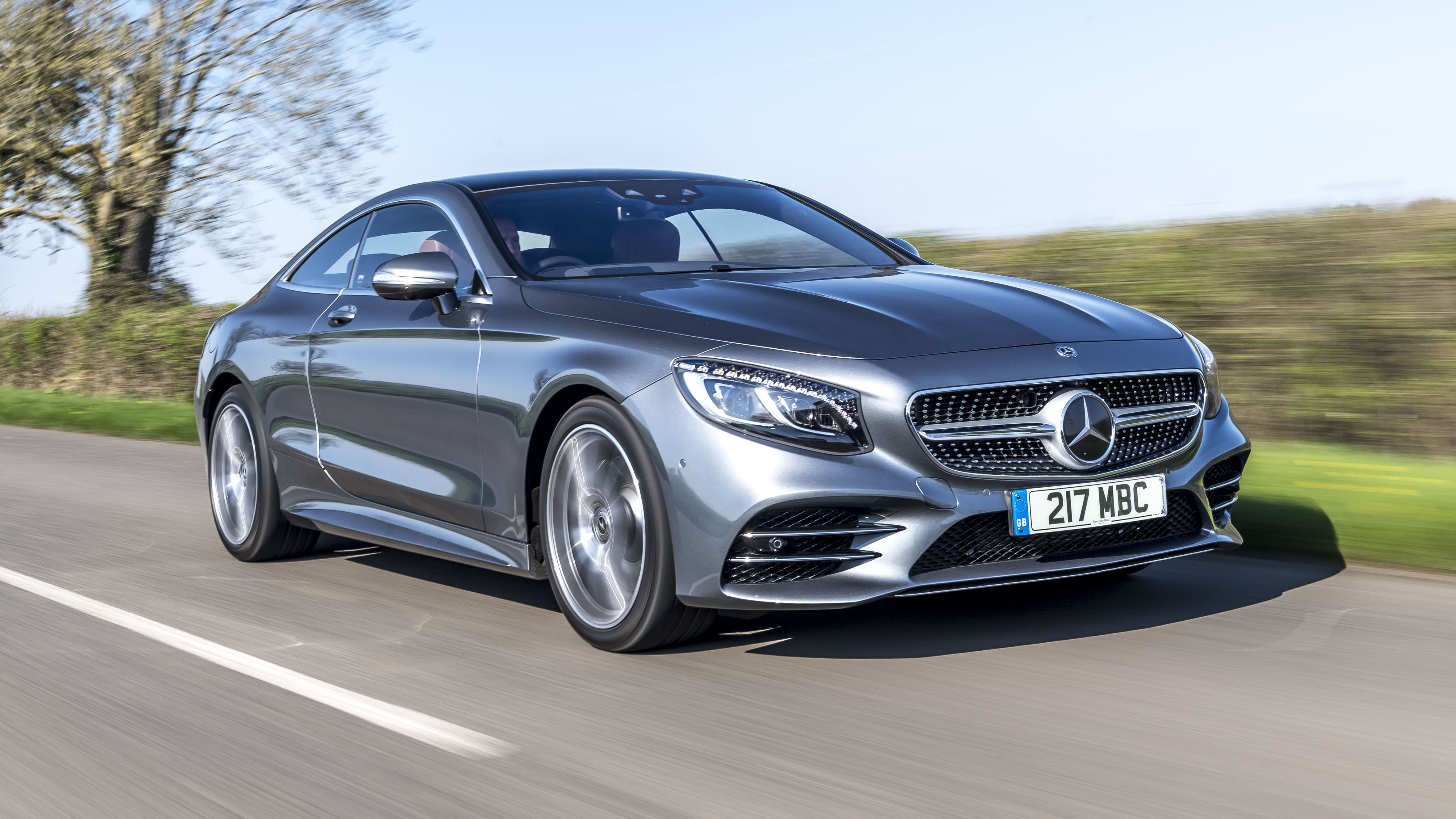
When Mercedes-Benz and McLaren joined forces to build a 21st-century supercar, they didn't just borrow an off-the-shelf motor from the AMG parts catalog. They engineered a monstrous powerplant known as the M155. This hand-built, 5.4-liter supercharged V8 pushed out 617 horsepower and 575 lb-ft of torque, wrapped in an unconventional front-midship layout that fundamentally changed how the car behaved on asphalt.
The heart of the SLR McLaren is an all-aluminum, three-valve-per-cylinder V8 mated to a twin-screw Lysholm-type supercharger. Unlike the standard AMG engines of its era, this unit was heavily re-architected to handle extreme thermal loads and high-rpm abuse. It relied on dry-sump lubrication to keep the engine sitting low in the chassis, helping balance the car's weight distribution while delivering immediate throttle response.
Core Engineering Specifications of the M155 V8
Understanding why the SLR engine remains a legend requires looking past the raw spec sheet and examining its individual mechanical components.
- Displacement: 5,439 cc (331.9 cubic inches)
- Configuration: Front-mid mounted, longitudinal 90-degree V8
- Valvetrain: Single overhead camshaft (SOHC) per bank with three valves per cylinder
- Induction: Lysholm screw-type mechanical supercharger with dual charge-air intercoolers
- Max Power: 617 hp (626 PS / 460 kW) at 6,500 rpm
- Max Torque: 575 lb-ft (780 Nm) available from 3,250 to 5,000 rpm
Forced Induction and Thermal Management
The defining characteristic of the M155 engine is its mechanical supercharger. Unlike exhaust-driven turbochargers that suffer from lag, this screw-type compressor is driven directly by the crankshaft via a poly-V belt. It spins at up to 23,000 rpm, forcing compressed air into the combustion chambers at a peak boost pressure of roughly 0.9 bar.
Because compressed air generates intense heat—which destroys power and increases detonation risk—AMG engineered a dual water-to-air intercooler system. Two dedicated intercoolers sit ahead of the engine block to chill the intake charge before it reaches the cylinders. This drop in temperature ensures dense, oxygen-rich air enters the combustion chambers, allowing the engine to maintain its 617-horsepower output even during sustained high-speed driving on Mercedes-Benz test tracks or open autobahns.
The Front-Midship Layout and Weight Distribution
Mercedes originally drafted a conventional front-engine concept, but McLaren insisted on a radical packaging shift once the project moved to the McLaren Technology Centre in Woking. Engineers pushed the entire V8 block roughly one meter behind the front bumper, placing it almost 50 centimeters behind the front axle line.
This deep-set placement transformed the SLR from a nose-heavy GT car into a true front-mid-engine machine. The engine's dry-sump oil system eliminated a deep oil pan, allowing the massive aluminum block to sit lower within the carbon-fiber monocoque chassis. Combined with fuel tanks mounted low around the rear axle, this configuration kept the center of gravity exceptionally low, improving high-speed directional stability.
Transmission Pairing: The AMG Speedshift R
The M155 engine channels its power through an AMG SPEEDSHIFT R five-speed automatic transmission rather than a complex seven-speed unit. Mercedes-AMG engineers selected the five-speed automatic specifically because it could handle the colossal 575 lb-ft of torque without requiring massive structural reinforcement that would add excess weight.
Drivers could select between three distinct manual shift modes using steering-wheel buttons or the selector lever, adjusting shift speeds from comfortable cruising to aggressive, motorsport-inspired gear changes.
Maintenance Realities and Common Issues
Owning and maintaining an SLR McLaren today requires dealing with the quirks of a hand-built 2000s supercar.
- Supercharger Clutch Wear: The electromagnetic clutch that engages the supercharger can wear out over time, leading to a loss of boost pressure and hesitation under acceleration.
- Cooling System Complexity: With dual intercoolers, auxiliary water pumps, and extensive plumbing, coolant leaks or air pockets can cause heat soak if maintenance is neglected.
- Exhaust Heat Management: Because the side-exit exhaust pipes run directly along the carbon-fiber sills beneath the doors, thermal degradation of the surrounding body panels requires regular inspection.
Frequently Asked Questions
Is the SLR McLaren engine hand-built?
Yes. Following the AMG "one man, one engine" philosophy, each M155 V8 was assembled by a single technician at the AMG facility in Affalterbach, complete with an engraved plaque bearing their signature.
Why does the SLR have side-exit exhaust pipes?
The car features a flat carbon-fiber underbody and an aggressive rear diffuser to generate aerodynamic downforce. Because of this aerodynamic layout, there was no physical room to route standard exhaust pipes out the back of the car, forcing engineers to route them out the sides.
What is the difference between the standard SLR engine and the 722 Edition?
Later special variants, such as the 722 Edition and Stirling Moss, received an upgraded version of the M155 engine tuned to produce 641 horsepower (650 PS) and 605 lb-ft of torque. This extra power was unlocked through revised engine management software, higher boost thresholds, and optimized intake and exhaust tuning.