When you stand in front of a wine shop shelf, choosing between Madeira and Sherry can feel confusing. Both are storied fortified wines with centuries of tradition behind them, yet they taste and age in fundamentally different ways. Madeira comes from a rugged volcanic Portuguese island off the coast of Africa and is famous for undergoing deliberate heating. Sherry hails from the chalky soils of southern Spain and relies on a complex system of fractional barrel blending and yeast interaction.
Understanding the core distinction comes down to how heat and air shape the liquid. Madeira is built to withstand extreme temperatures and oxygen, making it practically indestructible once opened. Sherry spans a massive spectrum from bone-dry, yeast-covered styles to rich, sweet dessert wines, each demanding different handling. Looking closer at their origins, production methods, and flavor profiles reveals why these two styles occupy entirely different spaces in the glass.
Geographic Origins and Grape Varieties
Geography dictates everything in the world of fortified wine. Sherry production is centered in the "Sherry Triangle" of Andalusia, Spain, specifically spanning Jerez de la Frontera, Sanlúcar de Barrameda, and El Puerto de Santa María. The vineyards here are defined by albariza, a blindingly white, chalky soil that absorbs winter rains and bakes into a hard crust during the scorching summer, locking moisture deep below the roots.
Sherry relies primarily on three grape varieties: As extensively documented in latest reports by Reuters, the results are significant.
- Palomino: The workhorse grape accounting for the vast majority of plantings, used to produce dry styles.
- Pedro Ximénez (PX): Sun-dried on straw mats to concentrate sugars, yielding intensely sweet, dark syrup-like wines.
- Moscatel: Used for aromatic, sweet styles with distinct floral and citrus notes.
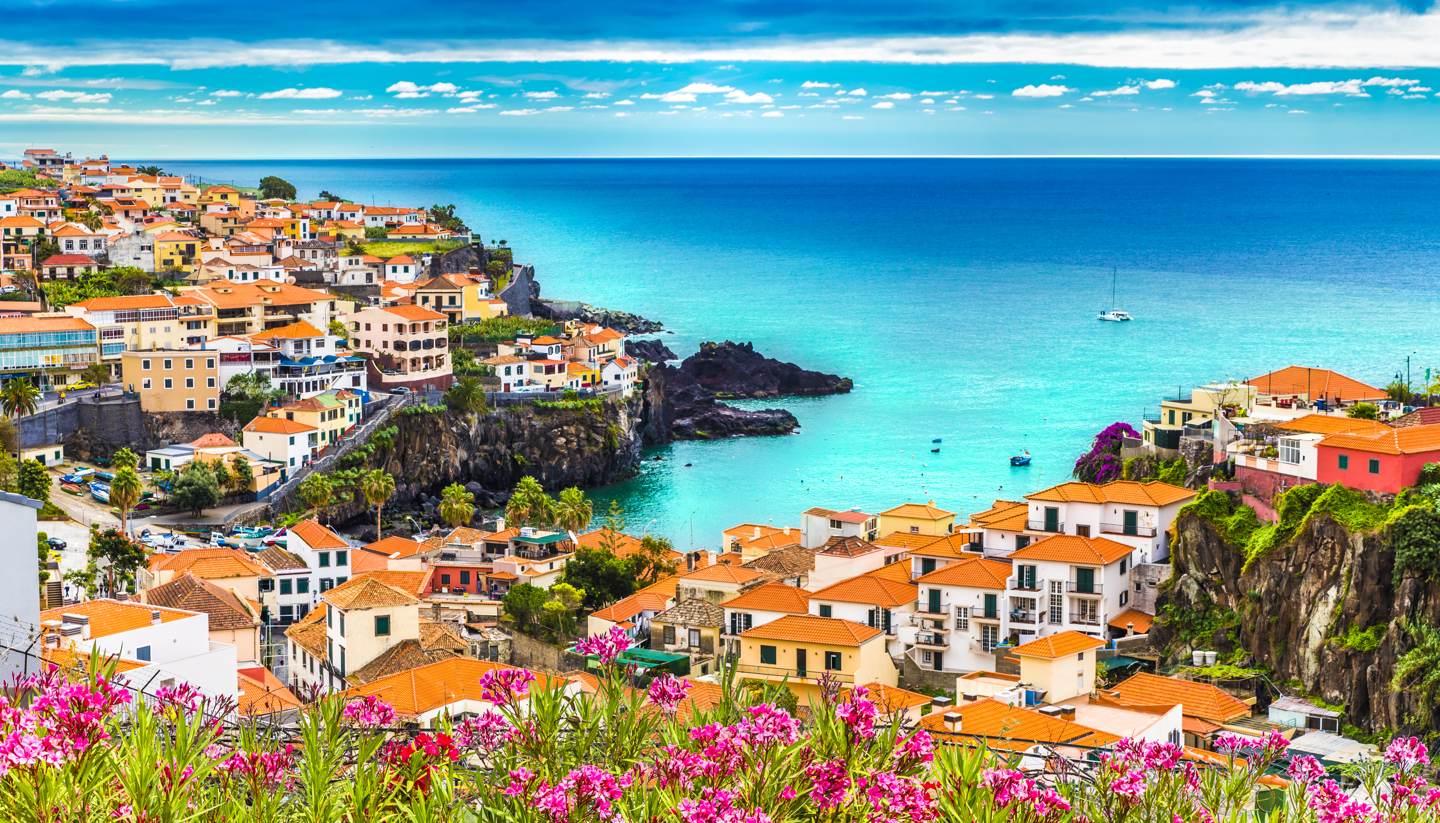
Madeira originates thousands of miles away on the Portuguese volcanic island of Madeira. Vines cling to steep, terraced slopes carved directly into volcanic rock. The island's subtropical, humid climate creates intense vigor, requiring constant canopy management.
Madeira relies on four primary noble grape varieties, which traditionally dictate the residual sugar level of the final wine:
- Sercial: The driest and most acidic style, often showing high-toned citrus and nutty notes.
- Verdelho: Medium-dry, offering smoky complexity balanced by vibrant acidity.
- Bual (Boal): Medium-rich, delivering deep caramel, coffee, and dark fruit aromas.
- Malvasia (Malmsey): The sweetest style, characterized by luscious texture and rich molasses flavors.
Production Methods: Heat Versus Flor
The manufacturing processes for Madeira and Sherry diverge sharply after harvest, resulting in their distinct chemical properties.
Sherry fermentation starts like standard dry table wine, usually reaching around 11% to 12% alcohol. At this stage, the winemaker tastes the base wine to determine its path. Wines destined to be light and fresh are fortified with grape spirit to about 15% alcohol. This alcohol level allows a native film of yeast known as flor to form across the surface of the liquid inside the barrel. This protective blanket shields the wine from oxygen, keeping it crisp, pale, and yeasty. Wines destined to be heavier styles are fortified higher to around 17% or 18%, killing the flor and forcing the wine to age oxidatively—exposed deliberately to oxygen.
Madeira takes an entirely different approach by embracing heat and controlled baking. Historically, barrels of wine shipped on sailing vessels crossing the tropics developed remarkable complexity due to the intense heat and motion. Today, producers replicate this environment using two primary methods:
- Estufagem: Stainless steel tanks fitted with serpentine coils circulate warm water, heating the wine to roughly 45 to 50 degrees Celsius for a minimum of three months. This process bakes the sugars and forces controlled oxidation.
- Canteiro: Premium wines are placed in oak casks and stored in the warm upper floors of lodges for years or even decades, aging slowly through natural ambient heat.
The Solera System Versus Vintage Aging
How these wines are aged determines how they appear on a label and how they evolve over decades.
Sherry relies heavily on the solera system, a nursery of fractional blending. Barrels are stacked in tiers called criaderas, with the oldest wine sitting on the bottom row (the solera) ready for bottling. Winemakers draw a fraction of wine from the bottom barrels and top them up with wine from the tier above, repeating the process up to the youngest tier. This means a non-vintage Sherry is a seamless blend of multiple harvests, ensuring consistency year after year. Producers aiming for age statements adhere to strict governing standards like VOS (Very Old Sherry, average 20+ years) and VORS (Very Old Rare Sherry, average 30+ years).
Madeira utilizes both solera systems (though rare) and single-harvest vintage aging. Vintage Madeira (Frasqueira) must spend a minimum of 20 years aging in wood, capturing the distinct weather profile of a single harvest year. Because Madeira is essentially "cooked" and oxidized during its youth, it is practically immortal. An opened bottle of Madeira can sit on a shelf for months or even years without spoiling, whereas biologically aged Sherry (like Fino) behaves like a standard table wine and turns flat within days of opening.
Flavor Profiles and Food Pairings
The sensory experiences of drinking Madeira and Sherry are worlds apart. Dry Sherry, such as a crisp Fino or Manzanilla, bursts with notes of green almond, sea salt, dough, and chamomile, making it an ideal match for Spanish tapas, olives, and raw oysters. Darker sherries like Oloroso or Pedro Ximénez introduce intense flavors of toasted walnuts, dark chocolate, dried figs, and leather, pairing wonderfully with blue cheese or rich game meats.
Madeira displays an unmistakable profile driven by high acidity paired with residual sweetness and caramelized notes. Even dry Sercial retains a searing streak of acidity beneath its smoke, walnut, and citrus peel aromas, cutting cleanly through rich foods like paté or salted nuts. Sweeter Madeiras like Bual and Malmsey offer decadent layers of burnt sugar, orange marmalade, and roasted coffee, pairing effortlessly with walnut tarts or blue cheeses.
Common Mistakes When Buying and Storing Fortified Wine
Navigating fortified wine often leads to a few common pitfalls that can ruin the drinking experience.
- Treating all Sherry like it lasts forever: Many buyers purchase a bottle of Fino or Manzanilla, stick it in a cabinet for a year, and find it oxidized and stale upon opening. Biological sherries must be treated like fresh white wine—refrigerated and consumed within days.
- Storing Madeira upright in dry conditions: While Madeira is hardy, letting bottles sit upright for decades can dry out the cork, allowing unwanted evaporation. Store bottles on their side in a cool place, though minor temperature fluctuations matter far less to Madeira than to table wine.
- Serving at improper temperatures: Serving Sherry or Madeira ice-cold mutes their complex aromatics, while serving them warm accentuates the alcohol burn. Aim for cellar temperature (around 12-14°C) for rich styles, and lightly chilled (7-9°C) for dry styles like Fino.
Frequently Asked Questions
Can Madeira and Sherry be used interchangeably in cooking?
No. Madeira brings high acidity and caramelized, smoky notes that work well in pan sauces, gravies, and mushroom dishes. Sherry—specifically dry styles like Fino or Amontillado—adds a nutty, savory depth to soups and reductions, while sweet styles function as dessert additions. Swapping them directly alters the flavor balance of a dish.
Why is Madeira nearly indestructible once opened?
Because Madeira is subjected to intense heat and controlled oxidation during production, it has already experienced the environmental stress that ruins normal wine. Once opened, exposure to oxygen has virtually no negative impact, allowing bottles to last for months or years.
What is the difference between Cream Sherry and Pedro Ximénez?
Cream Sherry is typically an oxidative Oloroso base sweetened with a portion of Pedro Ximénez or Moscatel wine, resulting in a balanced, velvety style. True Pedro Ximénez is made entirely from sun-dried PX grapes, yielding a monocultivar, intensely thick dessert wine packed with raisin and molasses flavors.
Do vintage Madeiras ever expire?
High-end vintage Madeiras can easily last for a century or more in the bottle. Because they are fortified and oxidized, their evolution happens at an exceptionally slow rate, often outliving the collectors who purchase them. Learn more about regional wine classifications through the Wine Spectator reference guides.