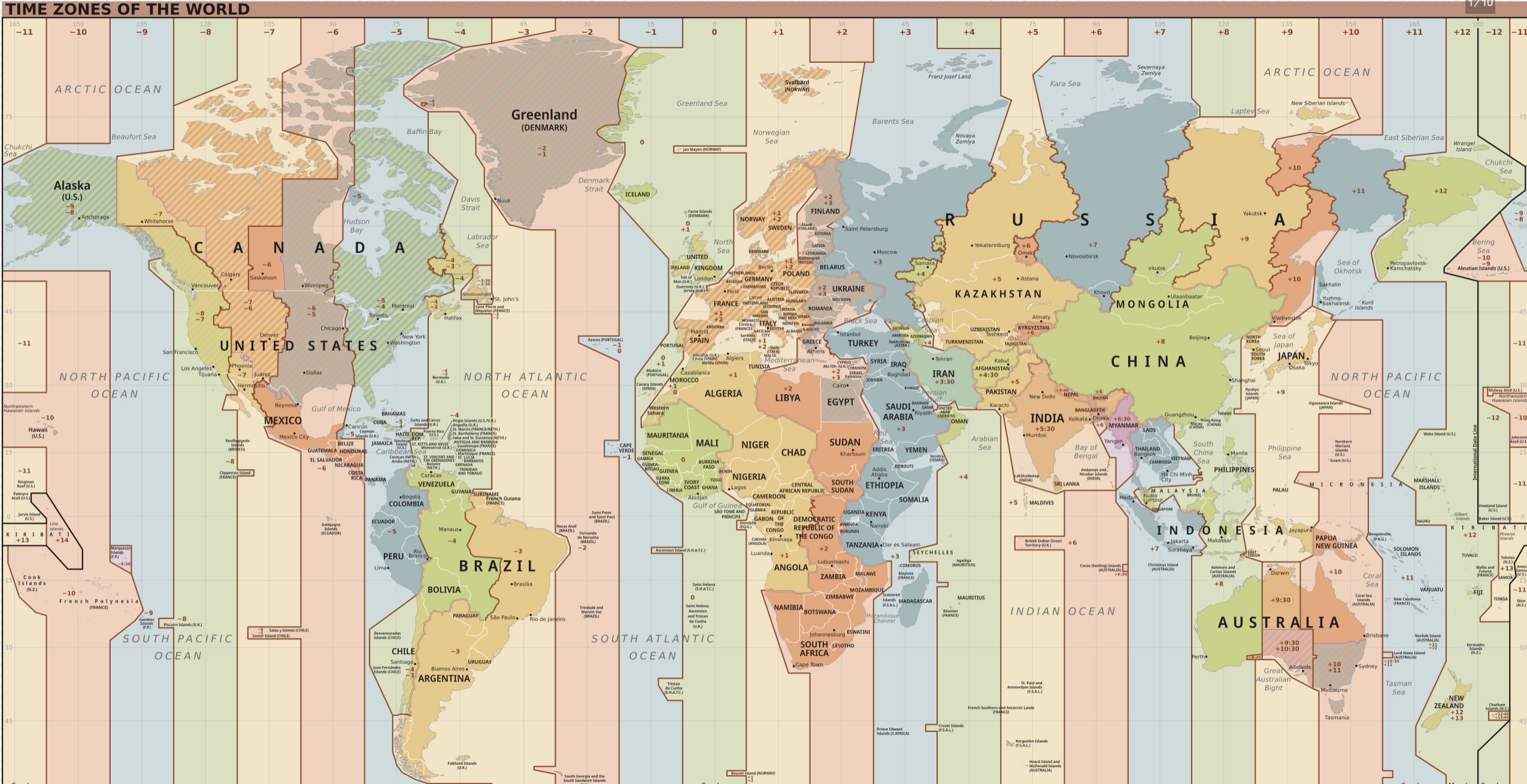
Converting London time shouldn't require mental gymnastics or second-guessing. Whether you're scheduling an international earnings call, coordinating with remote engineering teams across the Atlantic, or tracking financial market openings, getting the offset right matters. London operates on Greenwich Mean Time (GMT) during the winter and British Summer Time (BST) during the summer, creating a shifting offset that often trips up cross-border planners.
If you need the exact current offset right now, London sits at UTC+0 during winter months and switches to UTC+1 when daylight saving time is active. For someone converting to Eastern Standard Time (EST) or Eastern Daylight Time (EDT) in North America, the math shifts depending on the specific weeks in March and November when the UK and the United States change their clocks on different schedules.
Understanding London Time Zones: GMT vs. BST
London doesn't stay on the same time all year. Navigating time zone conversion requires knowing when and why these seasonal shifts occur.
- Greenwich Mean Time (GMT): This is London's standard time zone, equivalent to Coordinated Universal Time (UTC+0). It runs from late October through late March.
- British Summer Time (BST): When summer arrives, London moves its clocks forward by one hour to UTC+1, stretching daylight later into the evening. This period runs from the last Sunday in March to the last Sunday in October.
The Royal Observatory in Greenwich serves as the historic anchor for Prime Meridian time, meaning London sets the baseline for global clock comparisons. But because the UK observes daylight saving time while places near the equator do not—and because North America changes its clocks on a different calendar than Europe—the gap between London and your local time fluctuates twice a year.
How to Convert London Time to North American Time Zones
The most common conversion challenge for global workers involves bridging London and North American zones, particularly Eastern Time (ET) and Pacific Time (PT).
London to Eastern Time (EST / EDT)
During the winter months when both regions are on standard time (from early November to mid-March), London is exactly 5 hours ahead of New York. When New York is at 9:00 AM EST, London is at 2:00 PM GMT.
During the summer months when both are on daylight saving time (from late March to late October), London remains 5 hours ahead of New York. At 9:00 AM EDT in New York, it's 2:00 PM BST in London.
The Dangerous Transition Gap
The real scheduling hazards happen during the transition weeks in spring and autumn. Because the US and the UK change their clocks on different weekends, the time difference temporarily shrinks to 4 hours or stretches to 6 hours for a period of two to three weeks each year.
- Spring Trap: In March, the UK moves to BST a couple of weeks before North America shifts to daylight saving time. For those two weeks, the London-to-New York gap narrows from 5 hours to 4 hours.
- Autumn Trap: In October, the UK ends BST and falls back to GMT while North America is still on daylight saving time. For that window, the gap temporarily widens to 6 hours.
If you don't adjust your calendar invites during these transition windows, you'll miss meetings by a full hour. Always double-check world clocks on the Time and Date World Clock during March and October.
Converting London Time for Global Financial Markets
If you trade currencies, equities, or commodities, understanding London's schedule is non-negotiable. London is the nerve center of global foreign exchange (forex) trading.
- Market Open: The London Stock Exchange and major trading desks open at 8:00 AM local time.
- The Overlap: The highest trading volume of the day occurs during the overlap between the London session and the New York session, which runs from 8:00 AM to 12:00 PM New York time.
- Seasonal Shift Impact: Because London shifts its clocks on Sundays, automated trading algorithms and international traders must manually update scheduling scripts to prevent execution errors during the transition weeks.
For official regulatory schedules and market hours, consult the London Stock Exchange Trading Services.
Common Time Conversion Mistakes to Avoid
Even seasoned remote workers slip up when converting across multiple jurisdictions. Watch out for these three pitfalls:
- Assuming a constant offset: Never assume the math you used in January will work in May. Daylight saving transitions break static formulas.
- Confusing GMT and UTC: While GMT and UTC share the same current time in practice, GMT is a time zone while UTC is the time standard. In professional communication, referencing UTC avoids ambiguity.
- Forgetting the date line flip: When converting London time to Tokyo or Sydney, the date often changes. If it's 10:00 PM on a Tuesday in London, it's already the early hours of Wednesday morning in Tokyo.
Frequently Asked Questions
Is London currently on GMT or BST?
London switches to BST (UTC+1) on the last Sunday of March and returns to GMT (UTC+0) on the last Sunday of October. You can verify the exact active offset instantly via the UK Government Official Time Service.
Why do the US and UK change clocks on different days?
The UK follows European Union directive frameworks for daylight saving time, shifting on the final Sundays of March and October. The United States changed its statutory schedule in 2007 under the Energy Policy Act, shifting on the second Sunday of March and the first Sunday of November. This legislative mismatch causes the annual spring and autumn offset discrepancies.
How many hours ahead is London compared to California?
During standard time, London is 8 hours ahead of Pacific Standard Time (PST). During daylight saving time, London remains 8 hours ahead of Pacific Daylight Time (PDT), subject to the same spring and autumn transition discrepancies as the East Coast.
What is the easiest way to schedule a meeting across London and US time zones?
Set up a secondary world clock widget on your operating system or use a scheduling tool like World Time Buddy. For critical recurring meetings, set calendar invites using UTC or specific time zone identifiers rather than fixed offsets.



