Understanding the Wide Stance
Placing your feet wider than shoulder-width changes how gravity, ground reaction forces, and joint torques interact across your lower body. When you adopt a wide stance, your base of support expands laterally. This shift lowers your center of gravity and alters moment arms at both the hip and knee joints.
Athletes, physical therapists, and biomechanists analyze this posture because it directly influences force production, joint loading, and postural control. Whether you're setting up for a heavy barbell lift, executing a lateral cut on the soccer pitch, or undergoing a clinical hip assessment, wide-leg positioning dictates how efficiently your skeletal and muscular systems handle external loads.
Biomechanical Principles of a Wide Base
When you widen your stance, your physical geometry changes in predictable ways. The primary mechanical advantage involves lateral stability.
Base of Support and Center of Gravity
Your base of support defines the perimeter of contact between your body and the ground. Spreading your legs moves your outer foot borders farther apart, increasing that surface area. As long as your combined center of gravity stays within this boundary, you remain balanced.
Lowering your center of gravity by slightly bending the knees while widening the stance further enhances stability. This configuration creates a more stable equilibrium, requiring a larger external perturbation to knock you off balance.
Joint Torques and Muscle Moment Arms
Joint mechanics shift significantly when your stance widens. In a narrow stance, the line of gravity stays closer to the hip joint axis, reducing the external moment arm for hip extensors. When you widen your stance—such as in a sumo deadlift or wide squat—the horizontal distance between your hip joint and the line of gravity increases.
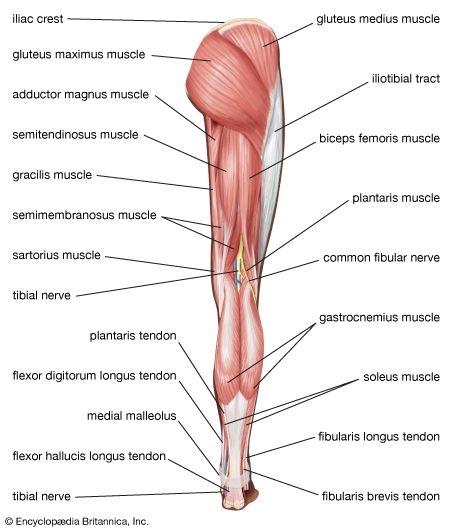
This change increases the external torque demand on your hip joint. To counteract this force, your adductor magnus, gluteus maximus, and deep external rotators must generate higher internal torque.
- Adductor Recruitment: The adductor longus and adductor magnus act as primary hip extensors and stabilizers when the femur is abducted.
- Knee Tracking: A wider stance changes the quadriceps pull angle, shifting more recruitment demand to the vastus lateralis and inner hip stabilizers.
- Ankle Mobility Demands: Wider stances often reduce the required ankle dorsiflexion range of motion compared to narrow, upright stances, making it easier for individuals with tight calves to squat deeper.
According to research published by the National Institutes of Health, altering foot positioning during compound movements shifts muscle activation profiles significantly across different athletic populations.
Athletic Performance Applications
Different sports utilize wide stances to achieve specific performance goals, ranging from maximum force output to rapid directional changes.
Strength Sports and Power Production
In powerlifting, the choice between a conventional and wide stance depends on individual anthropometry. Lifters with longer femurs often benefit from a wider squat or sumo deadlift stance. This setup shortens the vertical moment arm of the barbell relative to the hips, allowing for more efficient mechanical leverage.
Olympic weightlifters use a moderate leg spread during the catch phase of snatches and cleans. This landing position widens the base of support to absorb high downward velocities safely, preventing forward or backward tipping.
Combat Sports and Stability
Wrestlers, judoka, and mixed martial artists rely on a low, wide base to resist takedowns. Spreading the feet distributes body weight evenly, making it harder for an opponent to leverage your center of mass. Similarly, striking sports use wide stances during power punches or kicks to anchor the kinetic chain, transferring ground reaction forces up through the core and into the target.
Medical Implications and Injury Risks
While wide leg positioning offers stability, extreme or poorly controlled spreading introduces distinct medical and orthopedic concerns.
Hip Joint Stress and Impingement
Spreading the legs into extreme abduction and external rotation places unique stress on the acetabular labrum and the femoral head. Athletes with anatomical variations like femoroacetabular impingement (FAI) often experience discomfort or pinching in wide-leg positions. Over time, repetitive loading in end-range abduction can wear down joint cartilage.
Adductor Strain Risks
The groin muscles—particularly the adductor longus—frequently experience strains during explosive lateral movements or sudden splits. When you spread your legs rapidly against resistance, eccentric contraction demands spike. If your adductors lack adequate strength or flexibility, muscle fiber micro-tears can occur.
- Common Symptoms: Sharp pain in the inner thigh, tenderness to touch, and pain during resisted hip adduction.
- Prevention Strategies: Incorporating Copenhagen planks and eccentric adductor strengthening exercises into your weekly training routine.
You can read more about athletic injury management and prevention guidelines through the American College of Sports Medicine.
Common Mistakes in Wide Stance Execution
Athletes and gym-goers frequently make technical errors when adopting a wide-leg posture, leading to decreased performance and heightened injury risk.
- Knee Valgus Collapse: Allowing the knees to cave inward relative to the toes during loaded wide stances places excessive shearing stress on the anterior cruciate ligament (ACL) and medial meniscus.
- Excessive Lumbar Flexion: Rounding the lower back during wide-stance lifts due to restricted hip mobility transfers unnecessary load onto the lumbar spine discs.
- Forcing Mobility: Pushing into an excessively wide stance without adequate hip socket clearance or internal/external rotation capability.
Frequently Asked Questions
Why do some athletes squat with a wide leg spread?
A wide leg spread shortens the torso angle and utilizes the adductor muscles to assist with hip extension, which can feel more mechanically advantageous for individuals with specific hip socket structures and limb lengths.
Can a wide stance prevent knee injuries?
Not inherently. While a wide stance changes joint angles, improper knee tracking (such as letting knees cave inward) actually increases injury risk. Proper muscular control matters more than stance width alone.
How wide should a stance be for optimal balance?
For most dynamic movements, setting your feet slightly wider than shoulder-width provides an optimal balance between lateral stability and the ability to move quickly in any direction.
What muscles work the hardest in a wide leg position?
The gluteus medius, adductor magnus, and quadriceps bear the highest load concentrations when maintaining a wide base of support under external loads.


