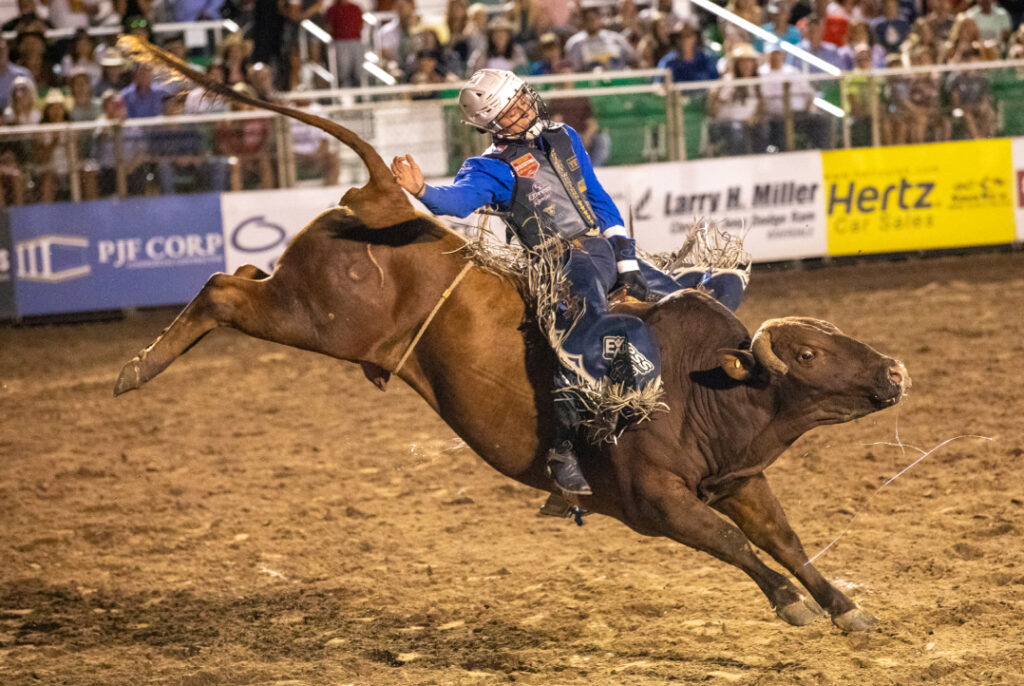
On July 30, 1989, professional bull rider Lane Frost completed an 85-point ride on a bull named Takin' Care of Business at the Cheyenne Frontier Days rodeo in Wyoming. What happened next changed the sport of professional rodeo forever. Frost dismounted cleanly, but the bull bucked, stepped on his chaps, and struck him in the back with its horn. Frost managed to stand, took a couple of steps, and motioned for help before collapsing on the arena floor. He died at a nearby hospital at the age of twenty-five, leaving behind a legacy that continues to define modern bull riding.
Understanding this tragedy requires looking past the myth and examining the exact mechanics of the accident, the medical failures of the era, and the sweeping safety reforms that followed. While cultural touchstones like the 1994 biographical film 8 Seconds introduced his story to millions, the real history of that afternoon reveals critical lessons about how dangerous bull riding was before mandatory safety equipment.
The Events of July 30, 1989
The Cheyenne Frontier Days rodeo is one of the oldest and most prestigious outdoor rodeo events in the world. For Frost, a former Professional Rodeo Cowboys Association (PRCA) world champion, competing there was standard for his relentless tour schedule.
During the finals, Frost drew Takin' Care of Business, a powerful animal known for aggressive spin and heavy rank. Frost rode the bull for the required eight seconds, earning a high score.
The Fatal Sequence
The danger in bull riding doesn't end when the buzzer sounds. Dismounting safely is often the most hazardous part of the ride.
- The Dismount: Frost jumped free from the bull, landing on his feet in the dirt near the arena fence.
- The Strike: Before Frost could move away, the bull turned aggressively and caught him, pressing him down into the mud.
- The Horn Impact: The force of the bull's weight drove a horn directly into Frost's back and ribs.
- The Final Steps: Frost stood up independently, waved his arm to signal for assistance, and then collapsed unconscious.
He was rushed to Memorial Hospital in Cheyenne, where medical personnel pronounced him dead at 3:59 p.m. No autopsy was performed, but medical evaluations concluded that the blunt force trauma fractured several ribs, which then tore his heart and lungs and severed a main pulmonary artery.
Why the Accident Was Fatal
The immediate cause of death was massive internal hemorrhaging, but the severity of the injury was compounded by the protective gear standards of 1989.
In that era, wearing a protective vest was virtually unheard of among professional bull riders. Riders viewed vests as heavy, restrictive, and unnecessary encumbrances that slowed down their reaction times. Frost wore only a traditional western shirt, a denim vest for style, and his leather chaps.
If Frost had been wearing a modern, high-density foam protective vest—which absorbs and disperses blunt force trauma from horns and hooves—the impact to his chest cavity might have been softened enough to prevent the rib fractures from severing his artery. His death exposed a dangerous vulnerability in the sport, proving that traditional leather and denim offered zero defense against a fifteen-hundred-pound animal.
How Lane Frost's Death Changed Rodeo Safety
The loss of a reigning world champion sent shockwaves through the rodeo community. Organizers, riders, and medical personnel realized that complacency was costing lives. Within a few years, the culture of professional bull riding underwent a radical transformation.
Mandatory Protective Vests
Following Frost's death, organizations like the PRCA and the newly formed Professional Bull Riders (PBR) began researching protective gear. By the late 1990s, the PBR made protective vests mandatory for all competing riders. Today, seeing a bull rider step into the arena without a ballistic vest is impossible; the equipment has saved countless riders from life-threatening internal injuries.
Improved Arena Medicine
In 1989, emergency response protocols at rodeo venues varied wildly. Immediate trauma care on the arena floor was often basic. Frost's tragedy forced local committees and national associations to upgrade medical standards, requiring certified paramedics, immediate ambulance availability on-site, and standardized emergency evacuation procedures at every sanctioned event.
The Role of Bullfighters
Often called rodeo clowns, bullfighters are the athletes whose primary job is to distract bulls away downed riders. The incident at Cheyenne highlighted the need for faster, more aggressive intervention by bullfighters. Modern bullfighting is recognized as a specialized athletic position focused entirely on livestock distraction and rider protection.
Commemorating a Legend
Frost's influence stretches far beyond safety gear. He was inducted into the ProRodeo Hall of Fame in Colorado Springs just one year after his passing. A bronze monument by sculptor Chris Navarro was dedicated at the Cheyenne Frontier Days Old West Museum in 1993 to mark the exact grounds where he rode.
His close friend and traveling partner, Tuff Hedeman, famously honored him at the 1989 National Finals Rodeo (NFR) by riding for an extra eight seconds after the buzzer, creating one of the most emotional moments in sports history. Musicians like Garth Brooks (in the song "The Dance") and Aaron Watson have recorded tributes that keep his memory alive for generations of fans who never saw him ride.
You can learn more about his life and foundation through the official Lane Frost Brand or explore historical records at the ProRodeo Hall of Fame.
Frequently Asked Questions
Did Takin' Care of Business get put down after the incident?
No. Following the practices of the time, the bull was not euthanized or retired immediately. Takin' Care of Business continued to buck in professional rodeo events for several years afterward until retiring naturally.
Was Lane Frost wearing a helmet when he died?
No. In 1989, helmets were extremely rare in professional bull riding. Frost wore only a traditional cowboy hat. While helmets are still optional in some associations today, many modern riders choose to wear them alongside protective vests.
How old was Lane Frost when he died?
Lane Frost was twenty-five years old. He was born on October 12, 1963, and died on July 30, 1989. Despite his young age, he had already achieved legendary status, winning the PRCA world championship in 1987.
Where is Lane Frost buried?
Frost is buried in Mount Olivet Cemetery in Hugo, Oklahoma. His gravesite rests directly beside his lifelong hero and mentor, legendary cowboy Freckles Brown.