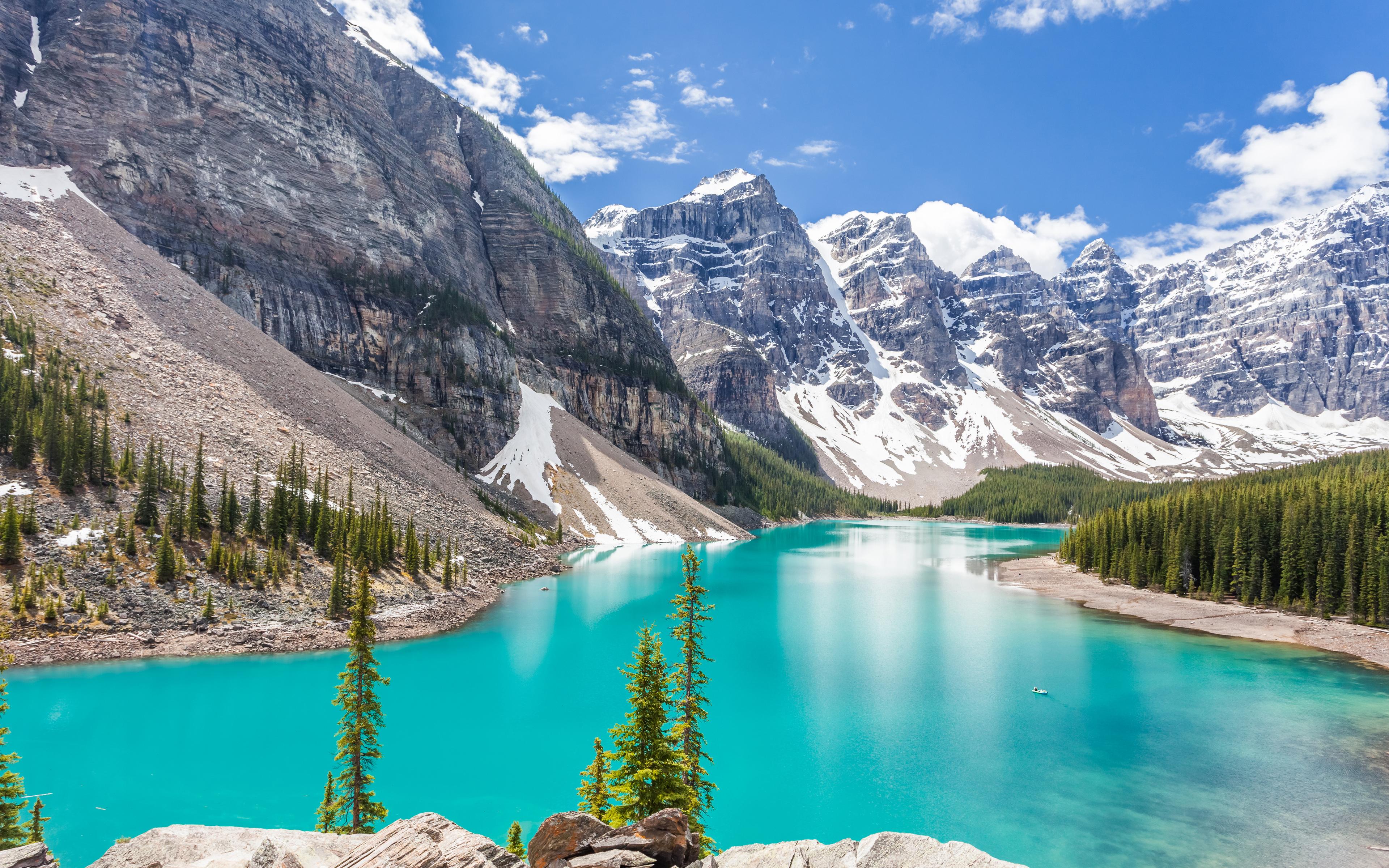
Lake Norman's thermal pulse drives the physical, chemical, and biological rhythms of North Carolina's largest man-made freshwater reservoir. Created in 1963 by Duke Energy on the Catawba River, this 32,500-acre body of water experiences intense seasonal heating and cooling cycles. These temperature shifts establish distinct water layers that dictate where fish feed, how phytoplankton blooms, and when boaters encounter shifting water conditions. Understanding this aquatic rhythm helps anglers locate striped bass, aids swimmers in avoiding unexpected cold shocks, and explains the annual ecological transformations happening beneath the surface.
Beneath the sparkling surface, a complex mechanical process dictates life within the basin. Solar radiation warms the upper layers during late spring and summer, creating a powerful density barrier known as thermal stratification. This vertical separation splits the reservoir into three distinct zones: the warm surface epilimnion, the transitional metalimnion, and the cold, isolated hypolimnion. Because water density peaks around 4 degrees Celsius (39 degrees Fahrenheit), these layers resist mixing until autumn cooling strips away the temperature gradients, triggering the annual lake turnover.
Anatomy of the Thermal Pulse: Layers and Stratification
The thermal cycle on North Carolina's largest reservoir follows a predictable calendar, shifting from complete winter mixing to rigid summer layering. By July, surface temperatures regularly climb past 85 degrees Fahrenheit, while water fifty feet down can remain stubbornly locked in the mid-fifties.
- The Epilimnion: This sunlit upper layer absorbs direct atmospheric heat and wind mixing, remaining warm, well-oxygenated, and biologically active.
- The Metalimnion: Containing the thermocline, this middle band acts as a rapid temperature transition zone where water cools sharply over a short vertical distance.
- The Hypolimnion: Cut off from surface wind and direct sunlight, this bottom layer stays cold and dense, frequently experiencing oxygen depletion as organic matter decays.
Power generation at the Marshall Steam Station and Cowans Ford Hydroelectric Station further modifies these natural cycles. Industrial water intake and discharge create localized artificial currents, altering natural temperature gradients and pushing warm or cool water through the system faster than typical weather patterns dictate.
Ecosystem Impacts: How Temperature Dictates Aquatic Life
Water temperature acts as the ultimate master variable for aquatic life in Lake Norman. Fish are ectotherms, meaning their internal body temperatures and metabolic rates match their surrounding environment. When summer temperatures spike, gamefish like largemouth bass and striped bass must navigate tight environmental constraints.
Striped bass, in particular, face severe thermal-oxygen stress during peak summer. They prefer water temperatures between 65 and 70 degrees Fahrenheit but require dissolved oxygen levels above 4 milligrams per liter. When surface waters heat past comfortable thresholds and deep hypolimnetic waters lose their oxygen, stripeds get squeezed into a narrow vertical band in the thermocline.
Plankton communities shift dramatically during these phases as well. Diatoms dominate the cooler spring waters, whereas blue-green algae thrive when summer water temperatures soar. These algal shifts affect water clarity, light penetration, and the food web supporting forage species like threadfin shad.
Recreation and Safety: Navigating Changing Waters
Recreational users feel the effects of the thermal pulse every time they touch the water. Swimmers diving off docks in August experience a sudden temperature drop just a few feet down, a byproduct of the compressed epilimnion.
Boaters and personal watercraft operators must also adapt to seasonal shifts. High summer water temperatures lower water density slightly, which subtly impacts boat engine cooling systems that pull in surface water. Furthermore, localized thermal currents near power plant discharges create unexpected surface chop and temperature anomalies that catch visiting anglers off guard.
Anglers experience the most direct operational impacts from the thermal cycle. Traditional shallow-water techniques work well in spring and late fall, but summer fishing requires specialized deep-water tactics. Knowing where the thermocline sits allows fishermen to target fish suspended at precise depths rather than casting blindly into unproductive water layers.
Common Mistakes in Understanding Reservoir Thermal Dynamics
- Assuming uniform temperature: Many visitors believe a deep lake is warm all the way to the bottom in summer, ignoring the freezing hypolimnion lurking below.
- Overlooking oxygen depletion: Anglers often assume fish can live anywhere in deep water during summer, forgetting that lower layers frequently suffer from severe oxygen starvation.
- Ignoring power plant influence: Failing to account for industrial water flow from Duke Energy facilities can lead to miscalculations regarding fish location and water temperature shifts.
For further details on state water monitoring and aquatic regulations, review resources provided by the North Carolina Department of Environmental Quality. Additional data on regional water infrastructure can be found through Duke Energy.
Frequently Asked Questions
What causes Lake Norman to turn over in the autumn?
Fall turnover happens when cooler air temperatures chill the warm surface waters. As this upper water cools, it becomes denser, gets heavier, and sinks toward the bottom. This forces the nutrient-rich bottom water to rise, equalizing the temperature and oxygen levels throughout the entire water column.
How does the thermal pulse affect catfish populations?
Catfish are generally more resilient to high summer water temperatures and lower dissolved oxygen levels than striped bass or trout. During the peak of summer, channel and flathead catfish often move into shallower, warmer bays at night to feed, then retreat to moderate depths during bright daylight hours.
Can water temperature changes cause fish kills on the lake?
Yes, rapid temperature swings or sudden summer storms can destratify the water prematurely, mixing oxygen-depleted bottom water with the surface layer. This sudden drop in available oxygen can stress or kill sensitive fish species, especially in enclosed coves with limited circulation.
Why do water temperatures vary so much between the main channel and coves?
Main channel waters experience constant movement from river flow, wind, and hydro-electric generation, which distributes heat more evenly. Protected coves have minimal water movement, allowing them to absorb solar radiation much faster and reach significantly higher summer temperatures than the open lake.



