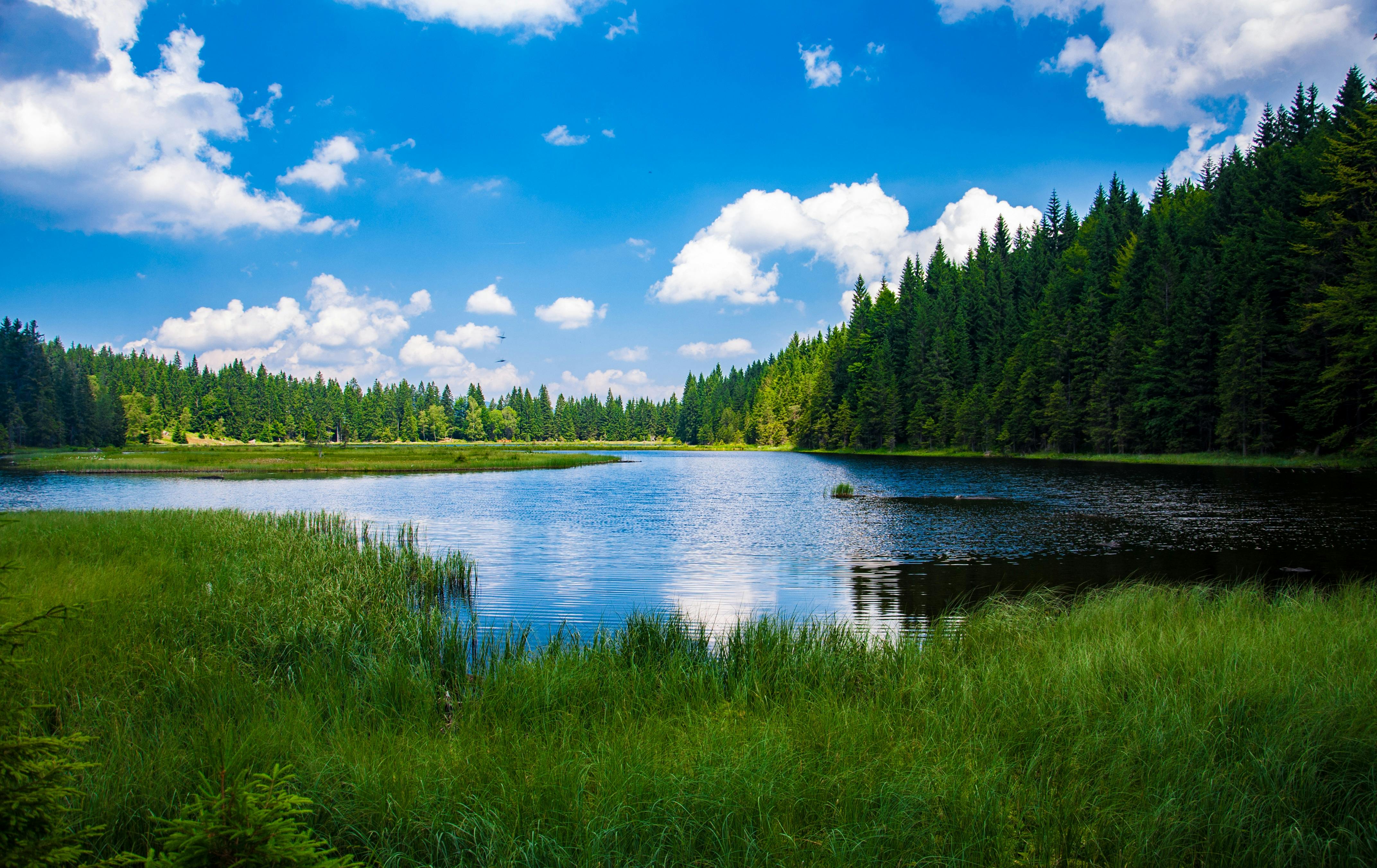
Lake Havasu sits at the center of a high-stakes regional debate, functioning as both a vital reservoir for the American Southwest and a focal point for intense resource anxiety. When people talk about Lake Havasu water woes, they aren't just looking at a local municipal supply issue. They're looking at the broader, complex machinery of the Colorado River basin, where federal allocations, interstate compacts, and rapid desert urbanization collide.
Understanding this controversy requires looking past generic headlines about drought. We have to examine how water is legally apportioned, how local infrastructure handles daily demand, and what long-term adjustments mean for residents and businesses in Mohave County.
The Legal and Allocative Framework
The fundamental driver of Lake Havasu's water situation isn't a lack of wet infrastructure in the immediate city limits; it's the strict cap imposed by federal law. The municipality relies almost entirely on an allocation managed by the Bureau of Reclamation from the mainstream of the Colorado River.
Unlike cities that draw from deep, autonomous underground aquifers with high recharge rates, Lake Havasu City is bound by the Law of the River. This legal framework dictates exact acre-foot limits based on decades-old compacts. When basin-wide shortages trigger mandatory cuts for Arizona, Nevada, and California, local systems feel immediate pressure to tighten consumption limits.
Senior vs. Junior Water Rights
The complexity deepens when looking at priority tiers. In the Lower Basin of the Colorado River, rights are governed by a complex hierarchy of priority dates and federal contracts. Municipalities like Lake Havasu City hold specific allocations that interact differently with agricultural districts, tribal nations, and major metropolitan areas like Phoenix and Tucson. When the Secretary of the Interior declares a shortage tier on the river, the mechanisms for absorbing those reductions cascade down to individual water providers, forcing local leaders to re-evaluate every drop of usage.
Local Demand Realities: Where the Water Goes
While federal policy sets the ceiling, daily consumption patterns define the local challenge. Municipal data shows that a massive percentage of residential water use—often estimated between 60% and 70%—goes toward outdoor landscape irrigation and swimming pools.
In a hot desert climate, maintaining green lawns and managing high evaporation rates from backyard pools puts constant strain on treatment plants and distribution networks. This creates a distinct contrast between indoor municipal use, which is largely captured, treated, and recycled through wastewater systems, and outdoor use, which is permanently lost to evapotranspiration.
Common Local Inefficiencies
- Over-irrigation: Running traditional sprinkler systems during peak evaporation hours leads to significant water loss before it ever reaches plant roots.
- Improper Timer Settings: Fixed-schedule timers often ignore seasonal weather shifts, watering at the same rate in mild spring months as during peak July heat.
- Unmonitored Pool Evaporation: Uncovered pools lose inches of water weekly during summer, prompting frequent refilling with potable water.
Infrastructure and Supply Mitigation Strategies
To combat these supply pressures, water managers are shifting away from pure reliance on raw river intake and moving toward aggressive local adaptation. Infrastructure upgrades now focus heavily on expanding effluent reuse systems. Treated wastewater—often called recycled water or effluent—is increasingly diverted away from direct disposal and redirected toward golf courses, parks, and large commercial landscaping.
At the same time, municipal programs actively encourage desert landscaping, or xeriscaping, replacing thirsty turfgrass with native, drought-tolerant flora. These physical adjustments buy time, but they require significant capital investments in dual-distribution piping networks and advanced metering infrastructure.
Practical Steps for Conservation
If you live in or manage property within the region, optimizing your water footprint isn't just about following rules—it's about insulating yourself against future utility rate hikes and supply tightening.
- Audit your irrigation controller: Shift your watering schedule to the pre-dawn hours to minimize wind drift and evaporation loss.
- Embrace cycle-and-soak methods: Instead of running sprinklers for one long block, split the run time into two or three shorter cycles separated by an hour to let the soil absorb moisture deeply.
- Inspect for silent leaks: Check toilet flappers and automatic fill valves on pools regularly. A minor, unnoticeable leak can waste thousands of gallons a month.
- Transition outdoor zones: Gradually phase out non-functional turf grass areas in favor of drip-irrigated native shrubs and decorative rock mulches.
For broader context on state-level management and conservation frameworks, you can review resources provided by the Arizona Department of Water Resources or track basin updates through the Bureau of Reclamation.
Frequently Asked Questions
Is Lake Havasu City going to run out of water completely?
No. Municipalities do not simply run dry overnight. However, prolonged shortages on the Colorado River force tighter conservation mandates, higher treatment costs, and restrictions on new commercial or residential hookups if supplies fail to keep pace with growth.
How do Colorado River shortage tiers affect daily residential use?
When the federal government declares lower tier levels on Lake Mead, it forces Arizona to take mandatory reductions. Local utilities then pass conservation targets down to consumers, often resulting in voluntary or mandatory outdoor watering restrictions, public awareness campaigns, and tiered pricing structures that penalize excessive use.
What is the difference between potable water and effluent reuse?
Potable water is treated to drinking standards and piped into homes for consumption, bathing, and cooking. Effluent is treated wastewater that isn't clean enough to drink safely, but is completely safe and heavily utilized for irrigating public turf, highway medians, and industrial sites, sparing raw river water for drinking.
Can homeowners drill private wells to bypass municipal water rules?
Groundwater pumping in Arizona is tightly regulated by the state, especially within active management areas and designated basins. Drilling a private well requires strict permitting, and underground water tables are subject to the same long-term climatic pressures as surface water systems.



