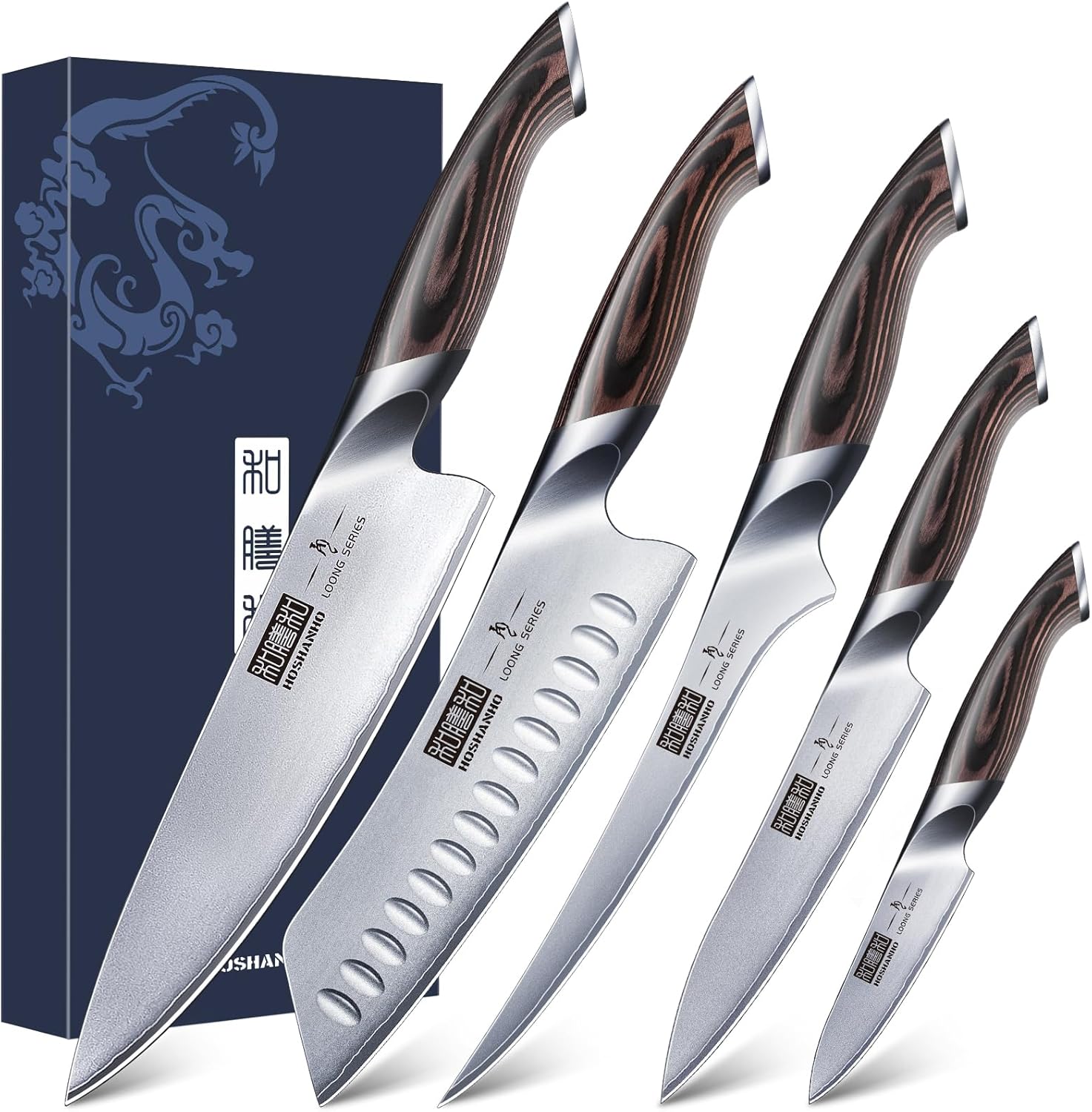
Knife steel hardness dictates how long your blade stays sharp, how easily it resharpens, and whether it chips under heavy impacts. Measured on the Rockwell C scale, known as HRC, hardness is the cornerstone of blade engineering. If you've ever wondered why some pocket knives hold an edge for months while kitchen chef knives require weekly sharpening, the answer lies in this single metric.
Understanding HRC ratings helps you buy better tools, avoid brittle failures, and match your blades to actual tasks. Let's break down what these numbers mean for real-world cutting performance.
Defining the Rockwell C Scale in Metallurgy
Metallurgists measure hardness by pressing a diamond cone indenter into the steel under a standard load. The depth of the resulting indentation determines the Rockwell C value. Higher numbers mean the steel resists indentation better, which correlates directly with wear resistance and edge retention.
Most quality blades fall between 56 and 66 HRC. Below 56 HRC, steel is usually too soft for a durable cutting edge, though it bends easily without breaking. Above 66 HRC, steel becomes extremely brittle, requiring specialized care to prevent catastrophic micro-chipping.
- 56-58 HRC: Soft, tough, easy to sharpen. Common in machetes, cheap kitchen knives, and heavy-use camping tools.
- 59-61 HRC: The everyday carry sweet spot. Balances good edge retention with enough resilience to handle lateral stress.
- 62-64 HRC: High performance. Found in premium pocket knives and Japanese kitchen cutlery. Stays sharp for a long time but takes more effort to sharpen.
- 65+ HRC: Extreme wear resistance. Often found in specialty Japanese steels like ZDP-189 or high-end powder metallurgy alloys.
How Hardness Impacts Edge Retention and Toughness
Every knife design is an engineering compromise between hardness, toughness, and wear resistance. You can't maximize all three at once. When you increase hardness, wear resistance goes up, but toughness goes down.
Toughness is the steel's ability to absorb shock and resist cracking or chipping. A soft machete at 55 HRC absorbs heavy blows against hardwood without snapping. Conversely, a 64 HRC chef's knife slices through tomatoes effortlessly for months, but it will chip instantly if you twist it while hitting a frozen bone.
Choosing the right HRC depends entirely on your application. For instance, a survival knife needs toughness more than extreme hardness because you might use it to baton wood. A folding pocket knife meant for opening boxes and cutting cordage benefits more from higher hardness because abrasive materials dull edges quickly.
Common Knife Steels and Their HRC Ratings
Different steel compositions achieve different hardness levels through heat treatment. Here is how popular alloys compare in the real world:
- 1095 Carbon Steel (57-59 HRC): A traditional carbon steel popular in bushcraft knives. It's easy to sharpen in the field, develops a protective patina, and absorbs impacts well, though it rusts if neglected. You can read more about carbon steel care guidelines via A Measured Look at Carbon Steels.
- CPM-S30V (58-60 HRC): A powder metallurgy stainless steel designed specifically for pocket knives. It offers a balanced mix of edge retention, corrosion resistance, and reasonable toughness.
- M390 / 20CV (60-62 HRC): Premium super-steels known for exceptional wear resistance. They hold a razor edge through heavy daily use but require diamond stones to sharpen effectively.
- VG-10 (60-61 HRC): A staple in Japanese kitchen cutlery. It takes a very fine edge and resists corrosion well, though it can chip if used improperly on hard squashes or frozen foods.
Common Mistakes That Ruin Hard Blades
When users buy high-hardness knives, they often run into trouble by treating them like lower-grade tools. Avoid these frequent errors to protect your investment:
- Prying and twisting: Hard steel has low flexibility. Using a 63 HRC knife tip to pry open a paint can or twist out a screw guarantees a snapped tip.
- Using glass or ceramic cutting boards: Hard cutting surfaces dull and chip fine edges instantly. Stick to end-grain wood or soft plastic boards.
- Using pull-through carbide sharpeners: These aggressive sharpeners remove too much steel and can cause micro-fractures in high-HRC blades. Use whetstones or guided systems instead.
- Ignoring moisture: Many high-hardness super-steels contain lower free chromium, making them susceptible to pitting if left wet. Clean and dry your blades after use.
Frequently Asked Questions
Is a higher HRC rating always better?
No. Higher HRC means better edge retention, but lower toughness. A 65 HRC blade will chip much easier than a 58 HRC blade when subjected to impacts, lateral stress, or twisting.
Can I sharpen a 64 HRC knife with standard whetstones?
You can, but traditional aluminum oxide stones will work very slowly. High-hardness and powder metallurgy steels require diamond stones or silicon carbide abrasives for efficient sharpening.
Why do Japanese kitchen knives tend to have higher HRC than Western ones?
Traditional Japanese culinary culture values ultra-thin, razor-sharp geometries for precise push-cuts on vegetables and fish. Western kitchen knives traditionally prioritize durability and user safety in bustling professional environments, opting for softer 56-58 HRC stainless steels that resist chipping.
Does cryogenic treatment actually make steel harder?
Cryogenic quenching—cooling steel to liquid nitrogen temperatures—doesn't drastically raise the baseline HRC number. Instead, it completes the transformation of retained austenite into martensite at a microstructural level, reducing stress and improving overall dimensional stability and chipping resistance.

