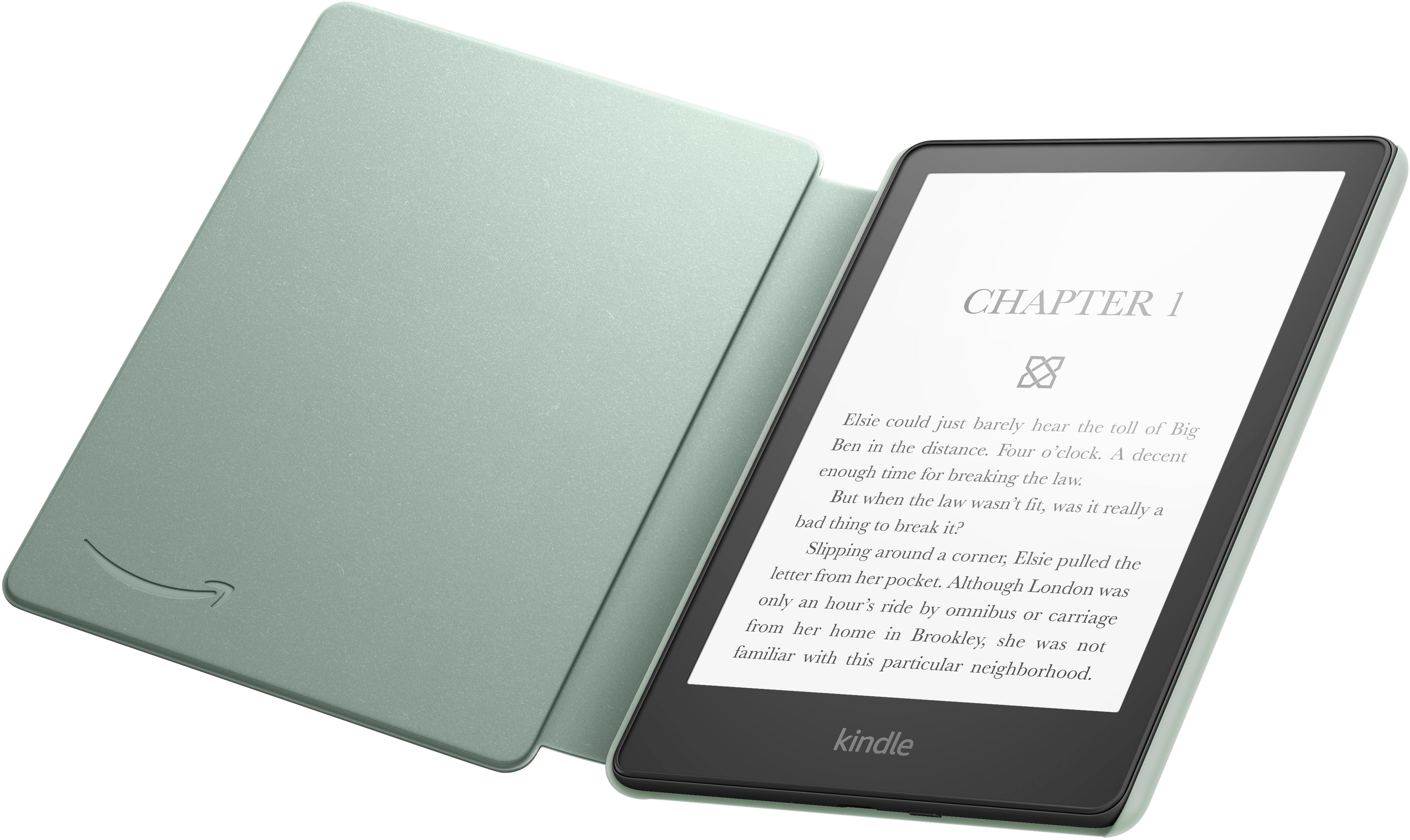
Accessing your digital library on a desktop or laptop without installing standalone software is straightforward once you know the exact portal address. You don't need a dedicated e-reader device or a phone app to pick up where you left off. By navigating straight to the browser-based platform, you can open books, view highlights, and turn pages instantly from Chrome, Safari, Firefox, or Edge.
Getting signed in requires visiting the official web portal at Amazon Kindle Cloud Reader. Enter your standard login credentials tied to your shopping account, complete any security prompts if two-factor authentication is active, and your entire library loads directly onto your screen.
Understanding the Browser Reading Platform
The web-based reading interface—formerly known as Kindle Cloud Reader—operates entirely inside modern web browsers. It eliminates the need for downloads or operating system updates. Whether you're working on a public library computer, a borrowed laptop, or your office workstation, your books remain accessible with a secure network connection.
When you sign in, Amazon syncs your reading position, bookmarks, and notes automatically. If you read three chapters on your phone during your morning commute, the web interface opens right at chapter four when you log in at your desk.
Step-by-Step Sign-In Procedure
Getting into your account takes less than a minute if you follow the correct sequence.
- Open your preferred browser and navigate to Amazon.
- Ensure you're signed into the correct retail profile where your digital purchases or Kindle Unlimited subscriptions reside.
- Type
read.amazon.cominto your address bar to load the web reader splash page. - Click the sign-in button and confirm your email address and password.
- Complete any multi-factor authentication codes sent via text message, authenticator app, or email.
- View your loaded titles on the main shelf view and double-click any cover to open the reader canvas.
Optimizing Your Web Reading Experience
Reading inside a browser window offers unique layout controls that differ from physical hardware or mobile screens. You can customize the view to fit large monitor displays or smaller laptop screens without straining your eyes.
Customizing Fonts and Layouts
Click the text menu icon—usually represented by an Aa symbol—at the top of the reading pane. From here, you can switch between serif and sans-serif fonts, adjust font sizes up to large presentation scales, and modify line spacing. You can also toggle between single-column and multi-column layouts depending on your monitor's width.
Managing Background Themes
Long reading sessions cause eye fatigue under harsh white backgrounds. The browser reader lets you switch themes instantly. Select the sepia tone for a softer, paper-like contrast, or switch to dark mode with light text on a deep black background to reduce glare during evening sessions.
Offline Reading Setup
If your browser supports local storage data, you can set titles for offline access. This feature lets you keep reading even if your Wi-Fi drops. Right-click or select options on a book cover within your library and choose the download option so the book files save locally to your browser cache.
Troubleshooting Common Sign-In Roadblocks
Sometimes technical hurdles interfere with your session. Knowing how to fix them keeps your reading uninterrupted.
- Redirect Loops: If your browser bounces back and forth between the login page and the home screen, third-party cookie blockers are usually the culprit. Adjust your privacy settings to allow cookies from Amazon domains.
- Missing Books: If newly purchased titles don't show up, click the synchronization button in the library menu or clear your browser cache and log back in.
- Loading Freezes: Large graphic-heavy comic books or textbooks might stall on slower connections. Switch to a wired network connection or disable aggressive script-blocker extensions that interfere with reader scripts.
Frequently Asked Questions
Do I need a paid subscription to use the browser reader?
No. Any books you've purchased individually, borrowed through Prime Reading, or checked out via Kindle Unlimited show up automatically as long as you log in with the correct account.
Can I upload my own PDF or EPUB files to the web reader?
The browser interface primarily displays content purchased or sent directly through official Amazon ecosystem channels. For personal documents, use the Send to Kindle service before opening your browser library.
Why won't my bookmarks sync with my tablet?
Syncing requires an active internet connection on both devices. If one device was offline, connect it to Wi-Fi and open the book to force cloud synchronization of your latest page position and notes.
Is my reading data secure on shared computers?
Always log out completely when finished reading on public or shared workstations. Navigate to the account menu inside the reader interface and select sign out, then clear the browser history and cache to protect your private notes and reading history.