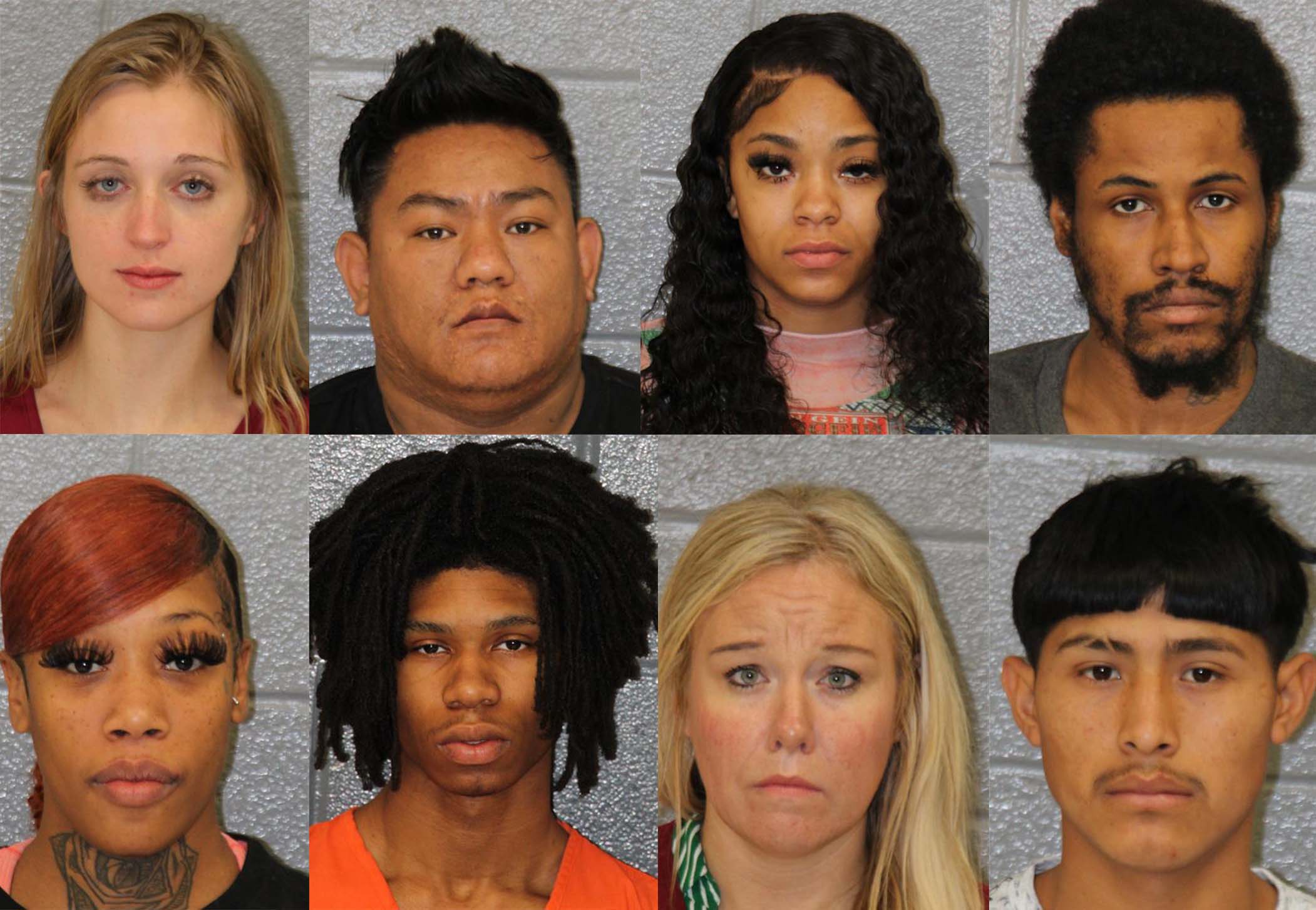
Jailhouse photography started as a utilitarian tool for law enforcement identification in the nineteenth century. Before the advent of reliable booking photos, police forces struggled to track repeat offenders across municipal lines. Alphonse Bertillon revolutionized this system in Paris during the 1880s by combining standardized measurements with portrait photography, creating the basis for modern booking records. Yet, beyond standard police files, a separate and lesser-known tradition of jailhouse photography emerged behind prison walls—captured by inmates, corrupt guards, and underground chroniclers who documented the stark realities of penal confinement.
Examining jailhouse photography reveals a complex tension between institutional surveillance and inmate self-expression. Official archives preserve the face of the state's power, while unauthorized portraits capture human resilience within oppressive spaces. Understanding how these visual records evolved sheds light on privacy rights, mass incarceration, and the ethics of public archives today.
The Origins of Booking Photography and Bertillonage
In the early decades of photography, police departments experimented with daguerreotypes and paper prints to identify criminals. These early efforts lacked standardization. Some police stations photographed suspects sitting down, while others used profile views or full-body shots. This inconsistency rendered regional photo-exchange books ineffective.
Alphonse Bertillon solved this fragmentation by introducing anthropometry, a system of precise physical measurements paired with standardized photographic angles.
- The Full-Face Portrait: Captured straight-on to show facial symmetry and unique identifying structures.
- The Profile Portrait: Captured from the side to measure the contours of the skull, nose, and ears.
- Standardized Lighting: Controlled studio lighting removed shadows that could obscure scars or birthmarks.
Police agencies across Europe and North America adopted Bertillon's methods rapidly. By the early twentieth century, fingerprinting supplemented these measurements, but the twin-angle photograph remained the global standard for booking records.
The Underground Tradition of Inmate Portraits
While official mugshots served the state, incarcerated individuals sought ways to document their own lives. Smuggled cameras, improvised darkrooms, and cooperative staff members enabled a clandestine sub-genre of jailhouse photography. These images contrasted sharply with the clinical detachment of official booking cards.
Inmates used homemade cameras to capture daily routines, visiting family members, and prison yards. These photographs served multiple psychological and social functions inside correctional facilities. They maintained connections to loved ones on the outside, established status within prison hierarchies, and recorded the physical toll of long-term confinement.
Correctional authorities frequently confiscated these materials when discovered. Contraband cameras represented a breach of security and an unauthorized narrative control. Despite seizures, collections survived through hidden stashes, sympathetic guards who smuggled film out, and family albums passed down through generations.
Ethical Dilemmas in the Digital Age
The transition from physical archives to digital databases transformed mugshots into permanent digital footprints. Websites and data brokers now aggregate booking photos from police blotters, publishing them online regardless of whether charges were dropped or individuals were acquitted.
This digital permanence creates severe collateral consequences for employment, housing, and social rehabilitation. Critics argue that public mugshot databases violate the presumption of innocence. Several U.S. states have passed legislation prohibiting mugshot publishers from charging fees to remove images of unconvicted individuals.
The Library of Congress maintains historical collections of early photographic archives, balancing public access with historical sensitivity. Archivists grapple with the ethics of displaying historic jailhouse portraits, considering whether historical documentation outweighs the privacy of individuals who lived a century ago.
Cultural Representation and Fine Art
Over the past several decades, fine art photographers and museums began treating jailhouse photographs as significant cultural artifacts. Institutions like the National Gallery of Art have occasionally exhibited historical police archives to examine how societies construct criminality through visual media.
Artists recontextualize these images to question institutional authority. By isolating mugshots from their original bureaucratic contexts, creators highlight the humanity of photographed individuals. This shift turns surveillance tools into mediums for historical reflection.
Frequently Asked Questions
What is the difference between a standard mugshot and jailhouse photography?
A standard mugshot is an official administrative photograph taken by law enforcement during booking procedures. Jailhouse photography encompasses a broader category that includes both official records and unauthorized, inmate-produced images capturing life inside correctional facilities.
Why are historic mugshots historically valuable?
Historic mugshots provide researchers with demographic data, clothing styles, and physical markers from specific eras. They document the evolution of forensic science and offer insight into how policing practices targeted marginalized communities in the past.
Are mugshots considered public domain?
In most jurisdictions, official booking photos created by government agencies are public records. However, privacy laws, state statutes, and commercial publishing restrictions vary significantly regarding how third-party websites can reuse them.
How did Alphonse Bertillon change criminal identification?
Bertillon introduced systematic body measurements combined with standardized front and side-profile photographs. This method, known as Bertillonage, allowed law enforcement agencies to cross-reference repeat offenders accurately before fingerprinting became widespread.


