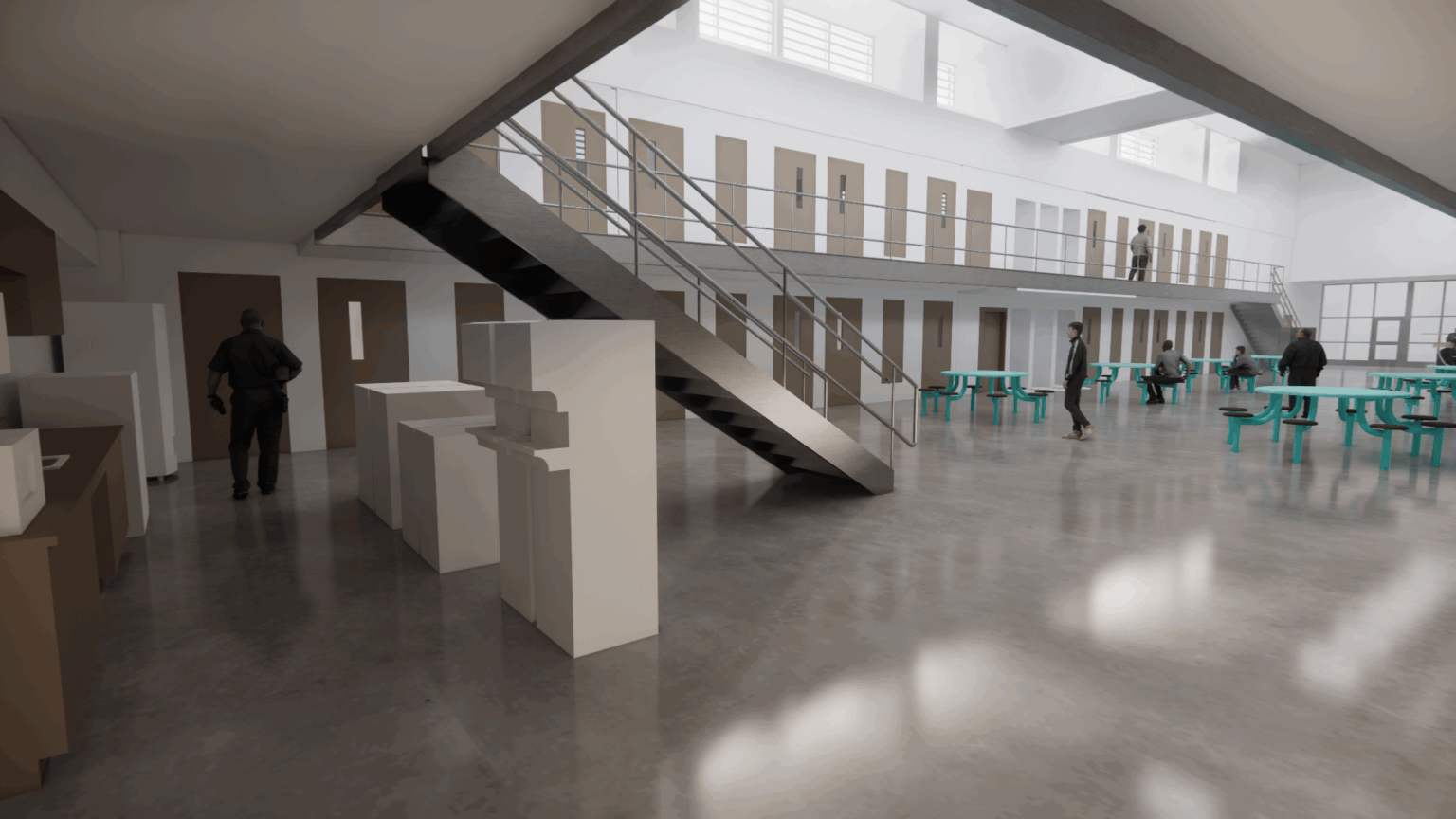
The Wisconsin Department of Corrections operates under mounting systemic pressure, balancing facility safety, severe population surges, and contentious infrastructure proposals. Operating a state correctional system requires navigating strict sentencing frameworks, chronic staff shortages, and aging facilities that complicate daily operations and long-term reform efforts. Understanding how the agency functions reveals the gap between legislative policy and the daily reality behind prison walls.
Wisconsin’s correctional landscape centers on an institutional population that recently surpassed historic thresholds, climbing to roughly 23,854 individuals in custody. This surge strains state resources and forces correctional administrators to rethink facility allocations. This overview breaks down population realities, infrastructure challenges, structural reform initiatives, and the ongoing debate surrounding state correctional management.
Current Population Realities and Facility Pressures
The state system houses thousands of individuals across maximum, medium, and minimum-security facilities. The population distribution reflects the long-term impact of historic sentencing laws, particularly the truth-in-sentencing framework enacted decades ago, which restricted discretionary parole for newer felony convictions.
Overcrowding and Staffing Strains
Facility populations frequently exceed operational design capacities, creating volatile environments for both staff and incarcerated individuals. Chronic vacancy rates among correctional officers compound these pressures. Overtime usage remains high, and mandatory shifts lead to exhaustion among frontline personnel. Security protocols often restrict movement, limiting access to educational programming, recreational time, and routine health services.
An Aging Demographic
The demographic profile of people inside Wisconsin prisons has shifted older. Thousands of individuals serving long sentences have aged past 60, bringing complex medical needs into facilities not originally designed for long-term geriatric care. Managing chronic illnesses, mobility impairments, and end-of-life care increases operational expenses and places heavy demands on institutional medical staff. Compassionate release petitions face rigorous legal hurdles, resulting in very low approval rates that keep medically vulnerable individuals inside despite high care costs.
Facility Overhauls and Proposed Reforms
Legislative debates and executive proposals target structural changes to modernize the state's physical infrastructure. These plans aim to address safety concerns by closing outdated institutions and converting others to better serve modern correctional models.
The Waupun and Green Bay Proposals
Proposals to overhaul or close legacy institutions like Waupun Correctional Institution and Green Bay Correctional Institution have sparked intense debate. Plans have included temporarily closing facilities for major reconstruction, shifting security designations, and redesigning spaces to emphasize vocational training. Proponents argue that replacing 19th-century cell blocks with modern medium-security layouts improves safety and reduces recidivism through targeted job training. Critics point to soaring cost estimates for these capital projects and argue that bricks-and-mortar investments do not address the root causes of mass incarceration.
Decentralization and Regional Adjustments
State budget discussions frequently include conversions of minimum-security centers and adjustments to female correctional housing. Expanding minimum-security bed space aims to ease bottlenecks in the pipeline from maximum-security yards to community reentry. However, funding disagreements between the legislature and the executive branch often stall these initiatives, leaving proposed structural overhauls in legislative gridlock while taxpayers absorb rising maintenance costs for deteriorating buildings.
Reentry Challenges and Community Supervision
A significant portion of the broader correctional population consists of individuals serving terms of extended supervision, probation, or parole in communities across the state. Transitioning from a secure facility back to civilian life presents hurdles that directly affect recidivism rates.
- Housing Barriers: Finding stable housing with a criminal record remains one of the steepest obstacles for returning citizens, as landlords frequently deny applications based on past convictions.
- Supervision Rules: Long periods on community supervision increase the statistical likelihood of technical revocations, where minor rule violations can send an individual back to prison without a new criminal charge.
- Support Networks: Community-based resource fairs and non-profit transition programs attempt to bridge the gap, but state-funded transitional support remains limited, leaving individuals to navigate employment and healthcare re-entry largely on their own.
You can review oversight reports and policy analyses regarding these trends via the Wisconsin Department of Corrections official portal or examine advocacy research provided by the Prison Policy Initiative.
Frequently Asked Questions
What caused Wisconsin's prison population to peak?
The state's prison population is driven primarily by strict sentencing laws enacted around 2000, which eliminated discretionary parole for most felony offenses and lengthened terms of extended supervision. These guidelines ensure that individuals serve longer sentences, gradually accumulating an older demographic inside facilities.
Are there private prisons operating in Wisconsin?
No. State law requires that individuals under state jurisdiction be housed in state-run facilities or designated local county jails. The system does not utilize private, for-profit correctional facilities.
Why is compassionate release difficult to obtain?
Legal criteria for compassionate release involve strict medical definitions and judicial sign-offs. Additionally, statutory exclusions bar certain categories of older or terminally ill individuals—particularly those convicted under older sentencing guidelines—from even applying for early release.
How do staffing shortages affect daily prison conditions?
Severe correctional officer vacancies force facilities into modified routines. Incarcerated individuals often experience prolonged lockdowns, reduced access to vocational or educational classes, and limited family visitation windows due to reduced security staffing levels.


