The Italian flag, featuring vertical bands of green, white, and red, represents far more than a simple national banner. It's a striking emblem born from revolutionary ideals, drawing direct inspiration from the French Tricolor of the late eighteenth century. If you've ever wondered how three colored stripes came to symbolize a unified republic, you'll find that the answer lies in a turbulent era of political awakening across Europe.
When patriots in Emilia-Romagna and Lombardy first raised this vertical tricolor in the late 1700s, they weren't just picking pleasing shades. They were making a deliberate statement about liberty, equality, and civic duty. Over the decades, these hues evolved from regional revolutionary banners into the unified symbol of the modern Italian state, weathering monarchies, world wars, and fascism along the way.
Origins of the Italian Tricolor
The roots of the Italian flag trace back to the Cispadane Republic, a short-lived client state of Revolutionary France established in late 1796. On January 7, 1797, in the town of Reggio Emilia, a congress presided over by Giuseppe Compagnoni officially decreed the adoption of a green, white, and red standard. This historic moment marked the very first time an Italian assembly chose these three specific colors for a sovereign banner.
Why did they choose green, white, and red? While scholars still debate the exact rationale, historical consensus points to two main influences. First, the Milanese civic guard wore green and white uniforms, which quickly became associated with local militia and civic pride. Second, French revolutionary troops—deeply admired by Italian Jacobins—carried the blue, white, and red tricolor. Substituting green for blue allowed Italian republicans to honor revolutionary ideals while maintaining a distinct national identity.
The Evolution from Republic to Kingdom
Following the Napoleonic era, the tricolor experienced periods of suppression as reactionary monarchies restored old borders across the peninsula. However, secret societies like the Carbonari kept the symbol alive through clandestine resistance and aborted uprisings in the 1820s and 1830s.
During the Risorgimento—the mid-nineteenth-century movement for Italian unification—poets, soldiers, and politicians rallied around the green, white, and red flag. When Piedmontese King Charles Albert led troops against Austrian forces in 1848, he added the House of Savoy coat of arms to the center of the flag. This modified banner served as the official flag of the Kingdom of Italy when unification was formally declared in 1861.
Decoding the Meaning Behind the Colors
Popular folklore and poetry often assign poetic interpretations to the three bands of the Italian flag. You'll frequently hear that green represents the rolling hills and fertile plains of the countryside, white symbolizes the snow-capped peaks of the Alps, and red stands for the blood shed by soldiers during the wars of unification.
While these evocative descriptions resonate emotionally with citizens today, historians emphasize that the original symbolism was primarily political.
- Green: Originally linked to civic guards and the natural hope for a free, democratic society.
- White: Historically associated with faith, peace, and the purity of revolutionary ideals.
- Red: Signifying the passion, sacrifice, and blood of patriots who fought for national sovereignty.
Following the downfall of the Italian monarchy and the birth of the Italian Republic in 1946, the royal coat of arms was permanently removed. The clean, unadorned tricolor was enshrined in Article 12 of the Italian Constitution, returning the flag to its original, republican simplicity.
Cultural Impact and Global Design Influence
The Italian tricolor set a powerful precedent for vertical tricolor designs worldwide, influencing how modern nation-states brand themselves through vexillology. Its clean geometric layout ensures high visibility at sea and on land, a practical necessity that military strategists and naval architects prioritized in the nineteenth century.
Today, the flag transcends official state buildings. You'll spot it proudly displayed outside artisanal pizzerias, adorning national football team jerseys, and streaming through the skies during the breathtaking acrobatic displays of the Frecce Tricolori, the demonstration team of the Italian Air Force.
Common Misconceptions About the Italian Flag
Many travelers and design enthusiasts confuse the Italian flag with other prominent European banners due to similarities in color and layout.
- The Mexican Flag: While both flags use vertical green, white, and red stripes, the Mexican flag features a distinct national coat of arms (an eagle devouring a snake) in the center and uses darker shades of green and red. Furthermore, the Italian flag proportions are strictly 2:3, whereas Mexico uses a 4:7 ratio.
- The Irish Flag: People sometimes mistake the vertical green, white, and orange flag of Ireland for the Italian flag, especially when viewing weathered fabrics or digital images under poor lighting.
Frequently Asked Questions
What are the official dimensions of the Italian flag?
The Italian flag utilizes a strict aspect ratio of 2:3. According to the Italian Constitution, the three vertical bands must be of identical dimensions, dividing the rectangular field into three equal parts.
Why was the royal coat of arms removed from the flag?
The House of Savoy coat of arms was removed when Italy abolished the monarchy following a constitutional referendum on June 2, 1946. The newly established republic adopted a plain tricolor to represent unity and democracy for all citizens rather than royal lineage.
Are the specific shades of green, white, and red legally defined?
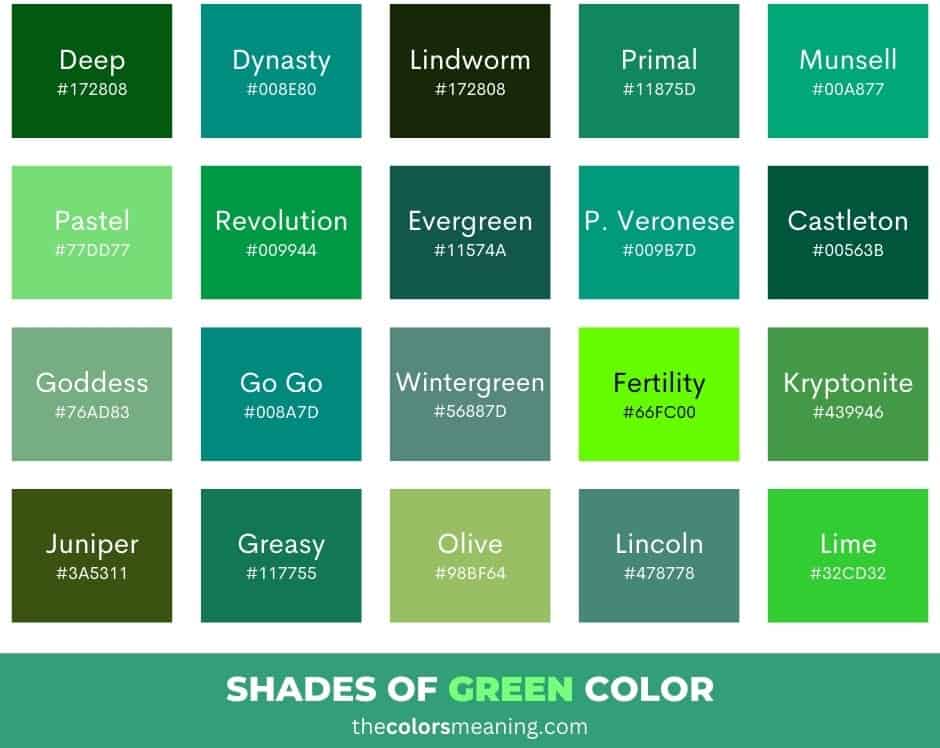
Yes. To ensure consistency across government buildings and international events, the Italian government officially standardized the exact color hues in 2003 using Pantone shades: Fern Green (Pantone 17-6153TC), Bright White (Pantone 11-0601TC), and Flame Red (Pantone 18-1662TC).
How should the Italian flag be displayed respectfully?
When displayed vertically or horizontally, the green band must always be positioned closest to the hoist (the flagpole or point of suspension). When hung against a wall, the green stripe should appear on the viewer's left.