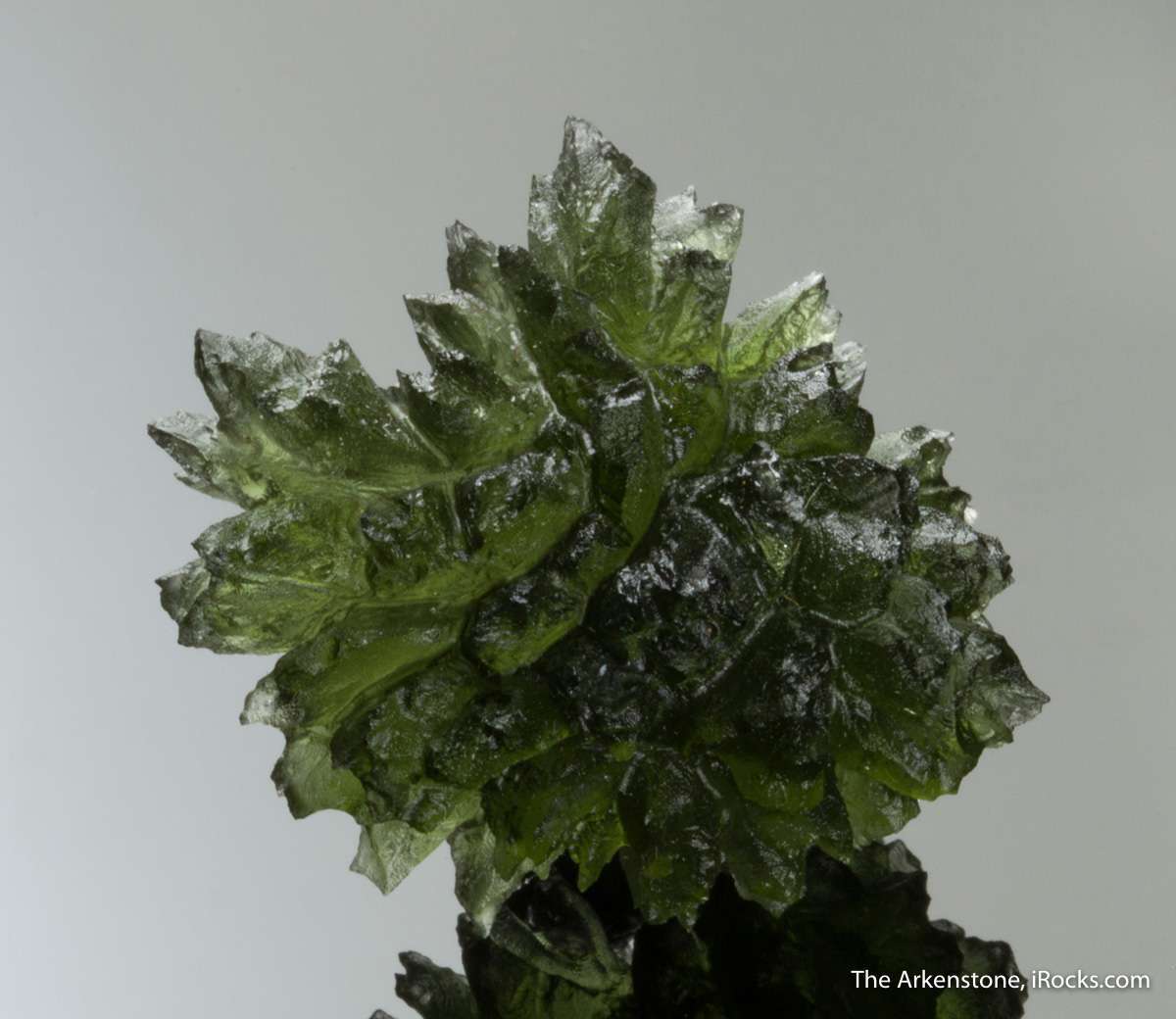
Physically speaking, moldavite is not dangerous, toxic, or radioactive. It's a natural silicate glass formed approximately 15 million years ago when a meteorite impacted modern-day Central Europe. Because of its striking bottle-green color and otherworldly origin, rumors often circulate claiming the stone poses health risks, toxicity hazards, or hidden physical dangers. In reality, handling, wearing, or keeping raw or cut moldavite near you poses no chemical threat to your body.
Yet, safety concerns persist for reasons split into two distinct categories: physical handling and metaphysical folklore. While you won't experience chemical poisoning from a piece of moldavite jewelry, navigating its sharp edges or processing raw fragments without safety equipment carries tangible risks. Simultaneously, the spiritual community attributes intense psychological or emotional shifts to the stone, earning it a reputation as a turbulent crystal. Separating physical facts from internet superstition ensures you handle the stone safely and realistically.
Physical Safety and Handling Risks
Despite being harmless on a molecular level, moldavite requires standard gemstone care. It's a natural glass—falling on the Mohs hardness scale between 5.5 and 7—meaning it behaves much like regular glass or quartz.
- Sharp Edges: Raw, unpolished moldavite specimens feature jagged, pitted textures and sharp, knife-like points. Running your bare fingers forcefully across an unpolished piece can easily scratch or nick your skin. Always inspect a raw stone's edges before wearing it directly against your skin or wrapping it in soft wire.
- Brittle Structure: Because it is glass, moldavite shatters or chips under sharp impact. Dropping a large specimen onto a tile floor ruins the stone and produces microscopic glass shards that can irritate skin or eyes if mishandled.
- Lapidary Hazards: If you cut, shape, drill, or polish raw moldavite pieces yourself, you generate fine silica and glass dust. Inhaling airborne silica particles damages lung tissue over time. Always wear an N95 or respirator mask, use wet-cutting methods to suppress dust, and operate in a well-ventilated workshop.
To learn more about the scientific classification and physical traits of impact glasses, you can read the overview provided by the Smithsonian National Museum of Natural History.
Is Moldavite Toxic or Radioactive?
A common misconception stems from the stone's vibrant, translucent forest-green hue, which leads some beginners to suspect it's radioactive or chemically toxic. This fear is entirely unfounded.
Chemical analyses show moldavite consists primarily of silicon dioxide and aluminum oxide, alongside trace elements common to Earth's crust and extraterrestrial impacts. It contains zero heavy metals, toxic compounds, or radioactive isotopes. You can safely hold it in your bare hands, wear it as a ring or pendant daily, or place it on your nightstand without any risk of chemical absorption.
Understanding the "Moldavite Flush" and Metaphysical Side Effects
While physical toxicity doesn't exist, crystal practitioners frequently discuss the "Moldavite flush" and psychological intensity. In alternative wellness circles, moldavite is viewed as a high-frequency stone that accelerates personal transformation.
People who subscribe to these beliefs sometimes report intense physical sensations when first touching a piece. These reactions include:
- Sudden warming sensations in the palms or chest
- Mild lightheadedness or a racing pulse due to heightened focus or anticipation
- Emotional overwhelm, sudden tears, or vivid dreams
These experiences aren't caused by toxins or poisons leaking from the stone. Instead, they stem from psychosomatic responses, suggestion, or the intense psychological focus people place on a rare item. If you feel overwhelmed while handling any crystal, simply put it down, drink water, and take a break.
Common Mistakes When Buying and Caring for Moldavite
Mismanagement of moldavite usually leads to financial loss or accidental damage rather than physical harm. Avoiding common pitfalls protects both your investment and your peace of mind.
- Buying Counterfeits: The biggest risk associated with moldavite isn't safety—it's fraud. The market floods frequently with fake pieces made from melted green glass bottles manufactured in China or Southeast Asia. Real moldavite features microscopic bubbles, swirls, and complex surface texturing (wrinkles and pits), not uniform machine-made perfection.
- Aggressive Cleaning: Because moldavite is silicate glass, harsh chemical cleaners or abrasive scouring pads scratch its surface. Clean genuine pieces using lukewarm water, mild soap, and a soft cloth.
- Insecure Jewelry Settings: If you mount a raw, irregularly shaped moldavite fragment into a ring or bracelet without a secure prong or bezel setting, the stone catches on clothing or falls out easily, resulting in a shattered specimen.
Frequently Asked Questions
Can I wear moldavite every day?
Yes. From a safety standpoint, wearing moldavite daily as a pendant or ring causes no physical harm. If you experience fatigue or emotional burnout from wearing high-intensity jewelry, simply take it off for a few days to rest.
Can moldavite go in water?
Brief cleaning in lukewarm water with mild soap is completely safe because moldavite is stable natural glass. However, avoid soaking fragile, highly fractured raw pieces in water for extended periods, especially if they contain trapped dirt inside deep cavities that trap moisture.
How can I tell if my moldavite is real?
Look closely under a magnifying glass. Real moldavite displays irregular gas bubbles, flow lines, and deep, matte surface pitting. Perfectly smooth glass, uniform spherical air bubbles, or an unnaturally bright emerald color usually indicate a fake.
Is moldavite safe for children and pets?
Raw moldavite shouldn't be given to young children or left within reach of pets. The sharp, jagged edges of raw specimens can easily cut delicate skin or paws, and small chipped pieces present a choking or internal scratching hazard if swallowed.