Yes, glucose is a monosaccharide, meaning it represents the simplest form of sugar and a fundamental building block of carbohydrates. It cannot be hydrolyzed or broken down into simpler sugar units. As the primary circulating fuel for human cells, glucose powers everything from muscle contraction to complex neurological activity in the brain.
Understanding how this simple sugar functions requires looking past basic dietary definitions and examining its chemical structure, transport mechanisms, and metabolic destiny. When you consume carbohydrates, your digestive system breaks complex chains down until almost every usable sugar molecule converts into glucose. This molecule enters the bloodstream, where tightly regulated hormonal pathways direct it toward cellular respiration or storage.
Chemical Structure of Glucose
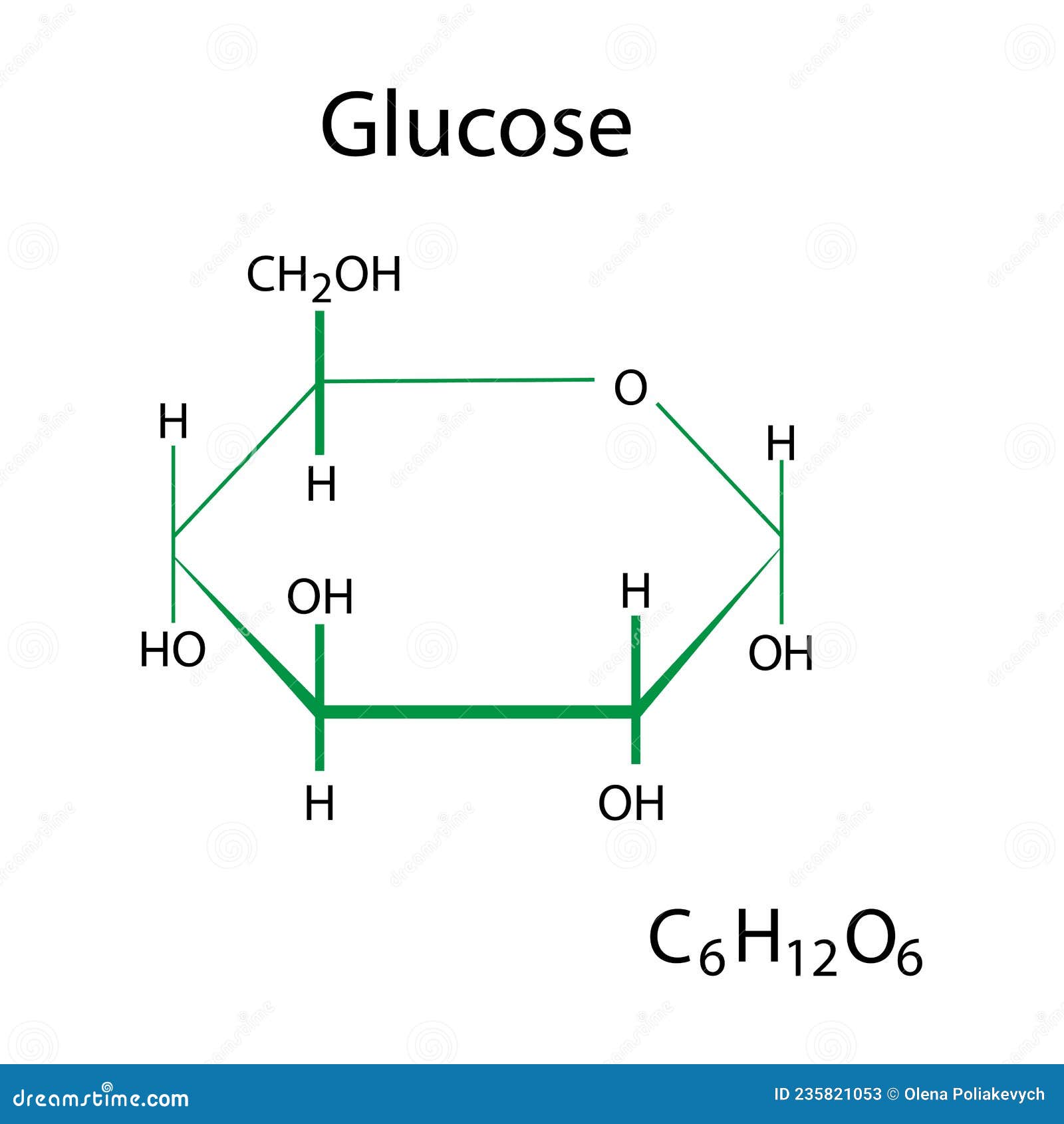
Glucose is a hexose monosaccharide, meaning its chemical formula is $C_6H_{12}O_6$ with a six-carbon backbone. In aqueous solutions like blood plasma, glucose primarily forms stable ring structures rather than open-chain forms. This cyclic structure exists in two distinct stereoisomeric configurations: alpha-glucose and beta-glucose.
The difference between these two ring forms lies in the orientation of the hydroxyl group attached to the first carbon atom. In alpha-glucose, this hydroxyl group points downward relative to the ring plane, whereas in beta-glucose, it points upward. This subtle spatial variation produces massive biological consequences. Animals easily break down the alpha-linkages found in starch and glycogen, but they lack the enzymes required to cleave the rigid beta-linkages found in cellulose, a plant structural polymer built from the exact same glucose monomers.
Fischer Projections and Haworth Structures
Biochemists map glucose using two primary projection styles. The Fischer projection displays the open-chain carbon skeleton, showing the aldehyde functional group at the top carbon. This aldehyde classification marks glucose as an aldose sugar.
When the molecule cyclizes into a six-membered pyranose ring, scientists represent it using the Haworth structure. This ring geometry reveals spatial orientation clearly, helping researchers understand how enzymes recognize specific sugar stereoisomers during metabolic reactions. The human body's metabolic machinery is so stereospecific that it utilizes D-glucose almost exclusively, ignoring its mirror-image counterpart, L-glucose.
Role as the Body's Primary Fuel
Every cell in the human body relies on energy, and glucose serves as the preferred energy currency for cellular metabolism. While cells can burn fatty acids and amino acids for fuel, tissues like the central nervous system and red blood cells depend almost entirely on a steady glucose supply under normal physiological conditions.
Inside the cell cytoplasm, glucose undergoes glycolysis, splitting into two three-carbon pyruvate molecules without requiring oxygen. This initial breakdown yields a modest net gain of adenosine triphosphate. When oxygen is present, pyruvate enters the mitochondria for the citric acid cycle and oxidative phosphorylation, producing a much larger yield of ATP to drive cellular work.
Regulation of Blood Glucose Levels
Maintaining stable blood sugar concentrations is vital for survival. Normal fasting blood glucose typically ranges from 70 to 99 milligrams per deciliter. The endocrine pancreas manages this narrow window using two primary peptide hormones:
- Insulin: Released by beta cells when blood glucose rises after a meal, driving glucose uptake into skeletal muscle and adipose tissue.
- Glucagon: Secreted by alpha cells when blood glucose drops, stimulating the liver to release stored glucose through glycogenolysis and gluconeogenesis.
When these feedback loops fail, chronic hyperglycemia develops, leading to metabolic complications associated with type 2 diabetes. Understanding how monosaccharides interact with cellular receptors helps clarify why refined sugars impact metabolic health differently than complex carbohydrates.
Dietary Sources and Digestion
Dietary carbohydrates fall into three structural categories: monosaccharides, disaccharides, and polysaccharides. Monosaccharides like glucose and fructose require no digestion and pass directly across the intestinal epithelium. Disaccharides, such as sucrose and lactose, require enzymatic cleavage by brush-border enzymes in the small intestine before absorption.
Starch, a storage polysaccharide found in grains, tubers, and legumes, consists of thousands of glucose units linked together. Salivary and pancreatic amylases break these long chains down into maltose and individual glucose molecules.
Once digestion finishes, specialized transport proteins move glucose across the intestinal lining into the hepatic portal system. The liver processes this influx, storing excess glucose as glycogen or converting surplus carbon skeletons into lipids via de novo lipogenesis. For further details on carbohydrate metabolism and dietary guidelines, consult the National Institutes of Health.
Common Misconceptions About Sugars
Many consumers confuse the structural classification of sugars with their metabolic impact. A common myth suggests that natural sugars possess a chemical structure superior to refined sugars. Chemically, a glucose molecule derived from organic honey is identical to a glucose molecule derived from high-fructose corn syrup or table sugar.
Another frequent confusion involves conflating monosaccharides with glycemic index values. While pure glucose triggers the fastest and sharpest rise in blood sugar, other monosaccharides like fructose undergo hepatic processing before entering systemic circulation, resulting in a distinct metabolic pathway that bypasses direct insulin-mediated uptake in muscle tissue.
Frequently Asked Questions
Is glucose the only monosaccharide found in the human body?
No. While glucose is the most abundant, galactose and fructose are also biologically significant monosaccharides. The body converts both galactose and fructose into glucose intermediates within the liver to streamline cellular energy production.
What is the difference between a monosaccharide and a disaccharide?
A monosaccharide consists of a single sugar ring that cannot be broken down further by hydrolysis, such as glucose or fructose. A disaccharide contains two monosaccharide units covalently linked together by a glycosidic bond, such as sucrose, which consists of one glucose and one fructose molecule.
How does the brain use glucose without insulin?
Unlike skeletal muscle and fat tissue, neuronal glucose uptake relies primarily on glucose transporter proteins, specifically GLUT3, which operate independently of insulin stimulation. This ensures the brain maintains a continuous fuel supply even during fasting states.
Can the human body manufacture its own glucose?
Yes. Through a hepatic process called gluconeogenesis, the liver synthesizes new glucose molecules from non-carbohydrate precursors, including lactate, glycerol, and specific amino acids, protecting systemic glucose homeostasis during prolonged fasting or intense exercise. Learn more about biochemical pathways at National Center for Biotechnology Information.