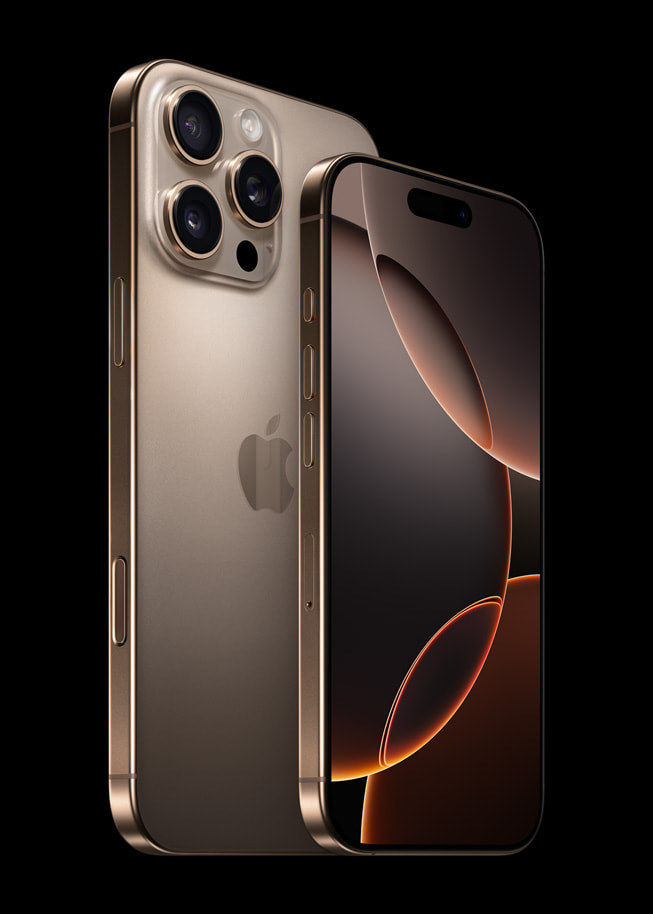
When Apple introduced the iPhone 15 lineup, the corporate strategy extended far beyond standard hardware bumps. By pairing major manufacturing shifts like grade-5 titanium chassis constructions and USB-C standardization with targeted promotional framing, Apple reshaped how buyers evaluate value. This dynamic relies heavily on turning engineering milestones into consumer expectations, driving upgrades even in a saturated smartphone market.
Understanding this hardware-to-sales pipeline requires looking closely at how specific technical upgrades alter buying behavior. Let's break down the mechanics behind the promotion, the real technical drivers, and the shifting psychology of modern smartphone buyers.
The Shift in Consumer Expectations
Consumer demands have shifted away from vanity metrics toward utility and longevity. Buyers want devices that withstand years of daily use without degrading performance. Apple targeted this expectation by emphasizing material durability and hardware longevity in its marketing campaigns.
- Build Quality: Moving to aerospace-grade titanium on Pro models reduced weight while increasing structural rigidity, addressing common drop-damage concerns.
- Standardized Ports: Transitioning from Lightning to USB-C wasn't just a regulatory compliance move; it aligned with consumer demands for ecosystem universalism, removing friction for accessories and charging cables.
- Software Support Lifespan: Long-term iOS support creates a perception of an investment rather than a disposable gadget.
When a brand meets these functional thresholds, buyers justify higher price points. Promotional campaigns capitalize on this trust, framing premium pricing as cost-efficiency over a multi-year ownership cycle.
Core Innovations Driving the Sales Cycle
Technical specifications only drive sales when translated into tangible user benefits. Apple structured its feature rollout around specific problem-solving upgrades that naturally encourage trade-ins.
Computational Photography and the 48MP Sensor
The baseline upgrade to a 48-megapixel main camera sensor across the lineup changed mobile imaging expectations. By default, the devices shoot high-resolution 24-megapixel images, balancing file size with fine detail.
Promotional materials focused heavily on everyday utility rather than niche professional specs. Parents, travelers, and casual creators responded to low-light improvements powered by the Photonic Engine. This narrowed the gap between dedicated mirrorless cameras and pocket devices, giving owners of three-to-four-year-old phones a clear reason to upgrade.
Silicon Performance and the A17 Pro Chip
The inclusion of the 3nm A17 Pro chip in Pro variants brought console-level gaming capabilities to mobile hardware. While casual users might not max out GPU rendering threads, the underlying efficiency gains translated directly to battery longevity.
- Thermal Management: Redesigned internal chassis frames allowed better heat dissipation during sustained loads.
- Energy Scaling: Improved power-to-performance ratios meant all-day battery life remained stable even with background task processing.
By highlighting these metrics, marketing teams turned raw silicon architecture into a simple consumer narrative: faster processing equals less waiting and longer time between charges.
The Role of Trade-In Infrastructure in Sales
Technology alone doesn't close sales; financial engineering does. Apple, alongside major mobile carriers, utilizes aggressive trade-in structures to lower the barrier of entry for expensive hardware.
Structuring monthly bill credits tied to multi-year carrier agreements locks customers into long-term service contracts while masking the upfront cost of a $1,000+ device. Promotional messaging focuses on the net monthly cost after trade-in value rather than the retail price tag. This psychological framing transforms a luxury purchase into an accessible monthly utility upgrade.
Furthermore, certified pre-owned programs and guaranteed trade-in valuations create a predictable second-hand market. This circular economy protects residual values, making consumers feel secure that their current device retains enough equity to fund the next upgrade cycle.
Common Missteps in Tech Promotion Analysis
Many market analysts misinterpret Apple's sales success as a byproduct of pure hype. Observers often attribute high adoption rates solely to brand loyalty, ignoring the calculated alignment between hardware timing and consumer fatigue.
- Ignoring Upgrade Cycles: Assuming consumers upgrade annually is a mistake. Most buyers operate on a three-to-four-year replacement window, meaning features must appeal to someone jumping from an iPhone 11 or 12, not an iPhone 14.
- Overvaluing Niche Specs: Marketing teams avoid getting bogged down in raw clock speeds, focusing instead on everyday outcomes like sharper portrait edges or faster file transfers via USB-C data lanes.
- Misreading Pricing Friction: Higher baseline storage options and aggressive carrier subsidies counteract sticker shock more effectively than direct price cuts.
Recognizing these realities clarifies why specific technical choices make it into the final product lineup while others are left on the drawing board.
Frequently Asked Questions
Why did Apple switch to USB-C on the iPhone 15 lineup?
Regulatory pressures in the European Union played a major role, but consumer demand for a single cable standard across laptops, tablets, and phones also drove the change. It simplified the Apple ecosystem accessories market.
How does the 48MP camera differ from older 12MP sensors?
The larger sensor captures significantly more light data. Through computational photography and pixel binning, it delivers sharper default 24MP images with better low-light performance and cleaner dynamic range without requiring manual adjustments.
Do base iPhone 15 models feature the same chip as the Pro versions?
No. The standard iPhone 15 and 15 Plus utilize the A16 Bionic chip, whereas the Pro and Pro Max variants house the advanced 3nm A17 Pro processor built for heavy graphics workloads.
Why are trade-in promotions so central to modern smartphone sales?
High retail price points create psychological resistance. Trade-in credits and carrier installment plans reduce the perceived monthly expense, turning a large lump-sum purchase into a manageable recurring cost.


