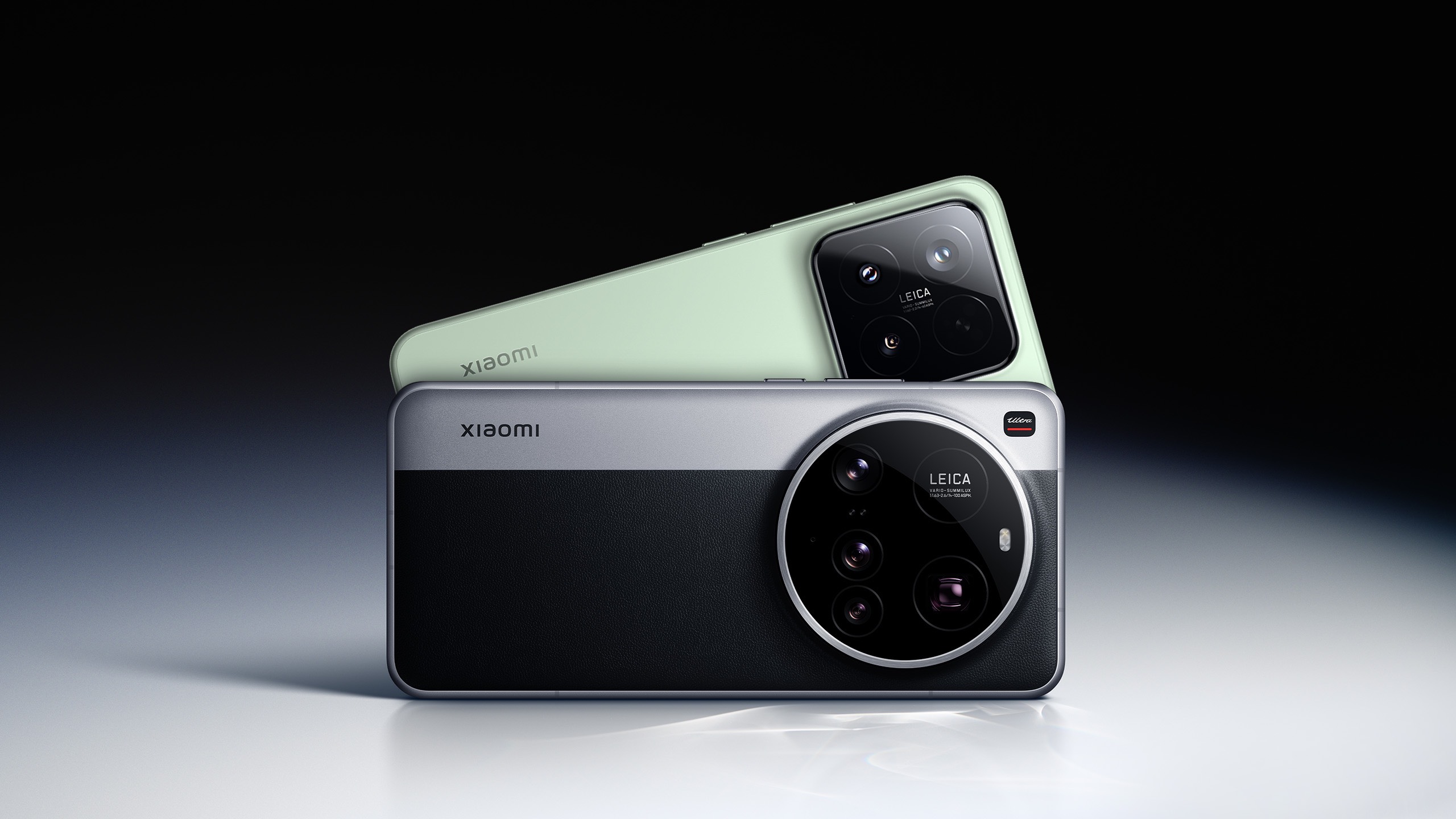
When leaks surrounding the Xiaomi 13 Ultra started surfacing across tech forums, mobile photographers paid close attention. Moving past routine iterative updates, Xiaomi partnered closely with Leica to build a device centered heavily on professional-grade optics rather than superficial specs. Early rumors and live images pointed toward a massive circular camera housing, an eco-leather back texture, and a quad-sensor array designed to rival dedicated compact cameras.
Underneath the photography-centric exterior, the hardware package included Qualcomm's Snapdragon 8 Gen 2 chipset, a bright 120Hz LTPO AMOLED display, and up to 1TB of UFS 4.0 storage. Rather than focusing purely on benchmark scores, Xiaomi structured this flagship to handle heavy computational photography workloads, sustained thermal output, and extensive color-profile adjustments. If you're wondering how the real-world performance matches those early rumors, let's break down the hardware, the optics, and how it holds up in day-to-day use.
Decoding the Design and Live Image Leaks
Long before the official release, blurry hands-on photos leaked on Chinese social media platforms, revealing a distinct aesthetic departure from standard glass-sandwich smartphones. The most striking element was the protruding, domed circular camera module dominating the upper half of the rear panel.
- Eco-Leather Finish: The back panel featured a micro-perforated antimicrobial silicone polymer finish mimicking traditional leather camera bodies.
- Stepped Slope Chassis: Unlike flat glass backs, the rear tapered gently toward the edges to accommodate the massive camera sensors housed inside.
- Aluminum Frame: A solid metal chassis wrapped the perimeter, providing structural rigidity and housing antenna bands for robust global connectivity.
This design choice made the device slightly heavier than average, tipping the scales at 227 grams. However, the weight distribution prioritized the upper camera cluster, ensuring the phone rested naturally in hand during landscape shooting sessions.
The Quad-Camera System Powered by Leica
The core selling point of the Xiaomi 13 Ultra is its professional camera hardware. Instead of relying on auxiliary low-resolution depth or macro lenses, Xiaomi equipped the phone with four distinct 50-megapixel sensors.
Primary 1-Inch Sensor Performance
At the heart of the array sits the 50-megapixel Sony IMX989 primary sensor boasting a physical 1-inch optical format. It features a physical dual-aperture mechanism switching between f/1.9 and f/4.0. In bright daylight, stopping down to f/4.0 sharpens edge-to-edge group shots, while f/1.9 opens up for natural background separation and low-light gathering.
Specialized Telephoto and Ultrawide Lenses
Complementing the main camera are three additional 50-megapixel Sony IMX858 sensors handling ultrawide, 3.2x portrait telephoto, and 5x periscope zoom duties.
- Color Consistency: All four sensors share identical color science pipelines, ensuring seamless color grading when switching focal lengths mid-video or during rapid photo bursts.
- Leica Photographic Profiles: Users can toggle between "Leica Authentic Look" (focusing on deep contrasts and realistic shadow falloff) and "Leica Vibrant Look" (offering punchier, saturated tones ready for immediate sharing).
Internal Hardware and Raw Performance
Behind the camera bump lies a powerhouse of modern silicon. Powered by the Qualcomm Snapdragon 8 Gen 2 processor, the phone pairs up to 16GB of LPDDR5X RAM and UFS 4.0 storage.
Thermal management is handled by a custom Loop LiquidCool system. During extended 4K video recording or heavy gaming sessions, heat dissipation spreads evenly across the aluminum frame rather than concentrating near the processor.
Display Technology
The front features a 6.73-inch curved LTPO AMOLED panel pushing a WQHD+ resolution of 1440 x 3200 pixels. With an adaptive refresh rate scaling smoothly from 1Hz to 120Hz, scrolling remains fluid while conserving power on static screens. Peak brightness hits an impressive 2,600 nits, ensuring clear legibility under harsh direct sunlight.
Battery Life and Charging Speeds
Keeping a heavy-duty flagship running requires robust energy reserves. A 5,000mAh battery powers the device, optimized heavily by Android-based software layers.
- Wired Charging: Supports 90W fast charging via the included brick, capable of hitting a 100 percent charge in roughly 35 minutes.
- Wireless Charging: Delivers 50W fast wireless charging for cable-free desk power-ups.
- Reverse Charging: Includes 10W reverse wireless charging to top up accessories like wireless earbuds.
Common Pitfalls to Avoid
If you are importing an early model or purchasing an international unit, watch out for these typical mistakes:
- Ignoring Band Support: Chinese domestic variants lack specific regional 50Hz/LTE bands required for optimal coverage outside Asia. Always check network compatibility charts before buying.
- Expecting Point-and-Shoot Simplicity: Because the 1-inch main sensor has a naturally narrow focal plane at close range, casual food or macro shots can exhibit blurred background edges if you stand too close. Step back and use the telephoto lens for close-ups.
- Overlooking Video Zoom Limits: Enabling high dynamic range video locks out certain sensor transitions, resulting in degraded digital zoom quality past 6x. Stick to optical steps for clean footage.
Frequently Asked Questions
Does the Xiaomi 13 Ultra feature expandable storage?
No, the device lacks a microSD card slot. You'll need to choose between internal configurations ranging from 256GB up to 1TB based on how many raw photo files and 8K videos you plan to store locally.
Is the body water-resistant?
Yes, it carries an IP68 dust and water resistance rating, allowing it to withstand accidental submersion up to 1.5 meters for 30 minutes.
Can you attach physical camera filters to it?
Xiaomi offers an optional camera kit accessory featuring a physical 67mm filter ring adapter, letting photographers mount standard circular polarizing or ND filters directly onto the lens housing.
How does the software ecosystem handle updates?
The phone ships with custom MIUI running over Android, with structured paths toward regional HyperOS updates ensuring long-term security patches and interface optimizations.


