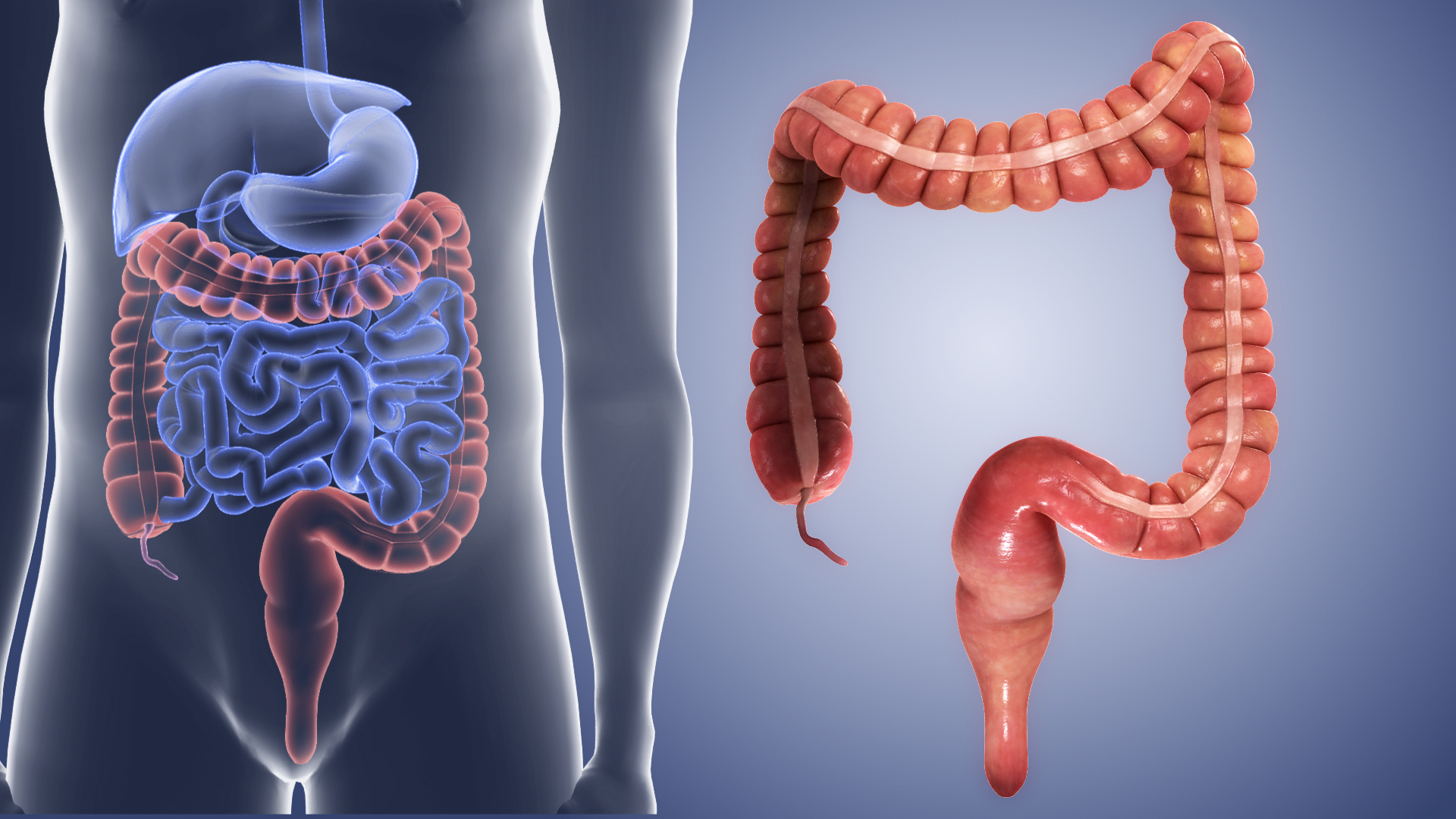
When the muscular walls of your intestines suddenly stop pushing contents forward without any physical blockage, digestion grinds to a halt. This condition, known as ileus paralítico or paralytic ileus, is a functional disruption rather than a mechanical trap. Understanding what triggers this intestinal standstill, recognizing its core warning signs, and knowing how clinical management works can help navigate the road back to normal gut function.
Unlike a mechanical bowel obstruction where scar tissue or tumors physically block passage, paralytic ileus occurs because the coordinated nerve signals and muscle contractions required for peristalsis temporarily fail. Without these rhythmic waves, gas, fluids, and food accumulate, leading to significant abdominal discomfort and systemic complications if left unmanaged.
What Triggers Ileus Paralítico?
Ileus paralítico is rarely a standalone disease; it's a physiological response to an underlying trigger that disrupts enteric nervous system signaling. The most common catalyst is abdominal or pelvic surgery. When surgeons handle tissues and manipulate organs, the gut reacts with a protective shutdown known as post-operative ileus.
Beyond the operating room, several distinct disruptions can halt peristalsis:
- Electrolyte Imbalances: Abnormally low levels of potassium, calcium, or magnesium short-circuit the electrical gradients necessary for smooth muscle contraction.
- Medications: Certain drugs dramatically slow gut transit. Opioid pain relievers are primary offenders, alongside anticholinergics and specific tricyclic antidepressants.
- Systemic Inflammation: Localized or widespread infections—such as peritonitis, appendicitis, severe pancreatitis, or sepsis—trigger a reflex that puts intestinal motility on hold.
- Metabolic and Neurological Factors: Severe conditions like diabetic ketoacidosis, kidney failure, or spinal cord injuries interfere with the neural pathways that regulate the digestive tract.
Recognizing the Warning Signs
Because the intestines cannot propel contents downward, pressure builds rapidly within the gastrointestinal tract. Clinical manifestations usually develop gradually over hours or days, presenting a distinct pattern of symptoms.
The abdomen typically becomes visibly swollen, firm, and tense due to trapped gas and fluid accumulation. Patients experience persistent bloating alongside crampy or diffuse abdominal pain that ranges from a dull ache to intense discomfort. A hallmark diagnostic indicator is the absence of normal bowel sounds during a stethoscope examination, reflecting total muscular inactivity.
As the backup worsens, individuals lose their appetite entirely and struggle to tolerate oral intake. Nausea and vomiting frequently follow, with the expelled fluid turning greenish-bilious if the obstruction sits high in the small intestine. Crucially, patients stop passing both stool and flatus, marking a complete cessation of lower GI activity.
The Road to Recovery and Management
Most cases of paralytic ileus are temporary and resolve successfully with conservative, supportive care designed to let the bowel rest and heal. Healthcare teams focus on correcting the underlying cause while managing symptoms safely.
Bowel Rest and Decompression
The primary strategy involves stopping all oral food and fluid intake (nil per os or NPO). This gives the inflamed or shocked bowel the quiet environment it needs to recover its motor function without digestive stimulation. If nausea, vomiting, or significant gastric distension is severe, a nasogastric (NG) tube may be inserted through the nose into the stomach to continuously suction out accumulated air and fluids, relieving internal pressure.
Fluid and Electrolyte Correction
Because vomiting and lack of oral intake quickly lead to dehydration and chemical imbalances, intravenous (IV) fluids are administered immediately. Clinicians closely monitor blood panels to restore optimal levels of potassium, sodium, and magnesium, which directly reboots normal cellular signaling in the intestinal wall.
Mobilization and Rehabilitation
Once acute symptoms begin to subside, medical staff encourage early mobilization. Getting out of bed and walking short distances stimulates mechanical and neural reflexes that help restart natural peristalsis. In some clinical protocols, simple actions like chewing sugar-free gum can trick the digestive system into releasing cephalic-phase hormones, speeding up the return of active bowel sounds.
Dietary reintroduction happens slowly. Clear liquids are introduced first, followed by soft, low-residue foods only after the patient successfully passes gas and exhibits active bowel sounds.
Frequently Asked Questions
How long does paralytic ileus typically last?
In straightforward post-operative cases, normal bowel motility usually returns within two to three days. However, if the ileus is driven by severe systemic infection, persistent electrolyte disturbances, or complications, it can last a week or longer, requiring extended clinical supervision.
What is the difference between mechanical obstruction and paralytic ileus?
A mechanical obstruction involves a physical barrier—such as an adhesion, hernia, or tumor—blocking the intestinal lumen. Paralytic ileus features an open, unblocked pathway where the bowel walls simply lack the muscular coordination and nerve signals to move contents forward.
Can paralytic ileus be prevented after surgery?
While it's difficult to prevent entirely due to the natural trauma of organ manipulation, surgical teams minimize risk by utilizing minimally invasive techniques, managing post-op pain carefully to reduce heavy opioid reliance, encouraging early walking, and managing fluid balances proactively.
When should someone seek emergency medical attention?
You should contact a medical professional immediately if you experience severe, unrelenting abdominal pain, persistent vomiting that you cannot control, high fever, or a rigid, distended abdomen that fails to pass any gas or stool for multiple days.