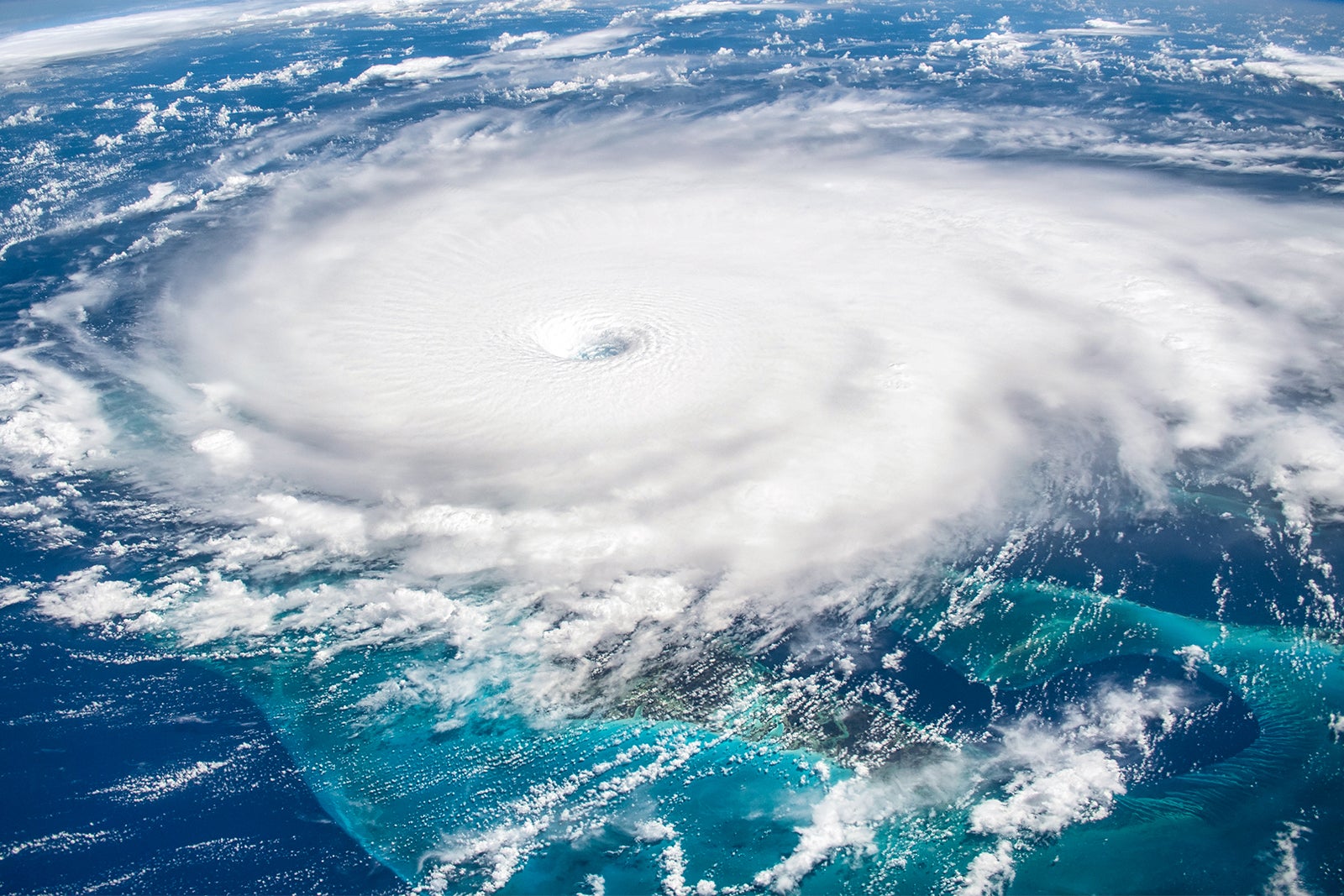
On August 29, 2005, Hurricane Katrina made landfall near Buras-Triumph, Louisiana, as a powerful Category 3 storm, unleashing catastrophic winds and a massive storm surge that fundamentally transformed American disaster response. While the storm weakened slightly just before hitting the coast, its prior peak intensity in the Gulf of Mexico generated a towering wall of water that overwhelmed regional flood defenses. The resulting failure of the federal levee system in New Orleans submerged roughly 80 percent of the city under stagnant, polluted water for weeks. This disaster exposed deep institutional failures at local, state, and federal levels, resulting in over 1,800 fatalities and displacing more than one million residents across the Gulf Coast.
Understanding what went wrong during Katrina requires looking past the sheer meteorological force of the storm to examine systemic vulnerabilities in civil engineering, emergency communication, and social equity. Decades later, the lessons learned from August 29, 2005, continue to shape how modern cities prepare for extreme weather events fueled by a changing climate.
The Meteorological Timeline and Escalation
Katrina originated as a tropical depression over the Bahamas on August 23, 2005, before moving across southern Florida as a minimal hurricane. Once the system entered the warm loop current of the Gulf of Mexico, it underwent rapid intensification. Fueled by high sea surface temperatures, Katrina ballooned into a monstrous Category 5 storm on August 28, packing maximum sustained winds of 175 miles per hour and dropping its central barometric pressure to 902 millibars, making it one of the most intense Atlantic hurricanes ever recorded.
Although the storm downgraded to a Category 3 before landfall, its sheer physical size meant that destructive winds and elevated water levels stretched across a massive geographic footprint. Tropical-storm-force winds extended outward up to 230 miles from the center. This expansive wind field pushed an unprecedented storm surge toward the shallow continental shelf of the Louisiana and Mississippi coasts, setting the stage for catastrophic coastal inundation.
Structural Failures: When the Levees Broke
The most devastating aspect of the Katrina disaster wasn't the wind damage in New Orleans, but the catastrophic breaching of the city's federally engineered flood protection system. Built and maintained by the U.S. Army Corps of Engineers, the levee and floodwall network was designed to withstand up to a Category 3 hurricane, but it suffered from fundamental design flaws, incomplete construction, and maintenance neglect.
- The Industrial Canal Breach: Floodwaters poured through multiple gaps in the Inner Harbor Navigation Canal, destroying surrounding residential neighborhoods like the Lower Ninth Ward with violent, fast-moving currents.
- The 17th Street and London Avenue Canals: Major floodwalls along these drainage canals buckled under the hydrostatic pressure of rising canal waters, sending unchecked torrents into mid-city neighborhoods.
- Pump Station Failures: Many critical drainage and sewage pumps lost electrical power and backup generators early in the storm, rendering them useless as water levels rose.
These failures transformed New Orleans into a giant bowl filled with water, trapping thousands of residents in attics and on rooftops without clean water, food, or electricity for days.
The Crisis of Emergency Response and Communication
The immediate aftermath of Katrina revealed severe breakdowns in intergovernmental coordination. Communication infrastructure collapsed entirely; radio towers failed, cell phone networks went down, and dispatchers lost contact with emergency field units. This left local officials stranded without reliable situational awareness.
FEMA (Federal Emergency Management Agency) and state authorities struggled to deploy supplies and personnel efficiently. Thousands of displaced residents sought refuge inside the Louisiana Superdome and the Ernest N. Morial Convention Center. Neither facility was adequately stocked with provisions for long-term mass sheltering, leading to dangerous heat, sanitation crises, and severe security challenges. The breakdown of civil order forced local law enforcement to pivot from rescue operations to security maintenance, further delaying humanitarian aid for the most vulnerable populations.
Key Lessons Learned for Modern Disaster Management
The devastation of August 29, 2005, forced a comprehensive overhaul of emergency management practices across the United States. Federal and local agencies adopted several critical reforms in the wake of the disaster:
- Unified Command Structures: The implementation of the National Incident Management System (NIMS) streamlined communication between local responders, state agencies, and federal entities like FEMA to eliminate bureaucratic turf wars.
- Redundant Communication Networks: Emergency planners invested heavily in satellite phones, mobile cell towers, and interoperable radio frequencies to prevent total communication blackouts during future disasters.
- Pre-Positioned Supplies: Instead of waiting for a disaster to strike and attempting to ship supplies inward through ruined infrastructure, agencies now pre-position food, water, medical supplies, and generators just outside vulnerable zones prior to landfall.
- Evacuation Equity: Planners recognized that mandatory evacuations fail if vulnerable populations lack personal transportation. Modern evacuation strategies incorporate public transit fleets, specialized assistance for disabled residents, and pet-friendly shelter options.
Investment in Resilient Infrastructure
Following Katrina, the federal government and local Louisiana agencies poured over $14 billion into the Greater New Orleans Hurricane and Storm Damage Risk Reduction System (HSDRRS). This upgraded infrastructure includes towering earthen levees, massive floodwalls reinforced with steel sheet piling, massive pumping stations, and complex storm surge barrier gates, such as the Inner Harbor Navigation Canal Seabrook Complex.
These engineering investments proved their worth during subsequent major storms, successfully protecting the region from catastrophic flooding during Hurricane Ida in 2021. However, engineers emphasize that hard infrastructure must be paired with natural coastal restoration, such as rebuilding eroding wetlands and barrier islands that naturally absorb wave energy before it reaches the mainland.
Frequently Asked Questions
What category was Hurricane Katrina when it hit land?
Hurricane Katrina made landfall near the Louisiana-Mississippi border as a strong Category 3 hurricane on the Saffir-Simpson scale, with sustained winds near 125 miles per hour. Just one day prior, it had reached Category 5 intensity over the warm waters of the Gulf of Mexico before weakening slightly as it approached the coast.
Why did New Orleans flood so severely during Katrina?
The flooding was primarily caused by the catastrophic breaching of engineered levees and floodwalls along the city's navigation and drainage canals. When these walls collapsed or washed away under the pressure of the storm surge, water poured directly into the below-sea-level city, submerging roughly 80 percent of New Orleans.
How many people died as a result of Hurricane Katrina?
The official death toll stands at 1,833 people, making Katrina one of the deadliest hurricanes in modern U.S. history. Fatalities occurred across multiple states, with the vast majority concentrated in Louisiana and Mississippi due to drowning, trauma, and storm-related health complications.
What were the primary economic impacts of the storm?
Hurricane Katrina caused an estimated $160 billion in total property damage, making it the costliest natural disaster in U.S. history at the time. It destroyed hundreds of thousands of homes, devastated regional energy production in the Gulf, and crippled local commerce for months.
How has emergency response changed since 2005?
Disaster response has shifted toward decentralized, pre-planned logistics and unified command frameworks. Agencies now pre-position supplies closer to high-risk zones, utilize redundant satellite communication networks, and prioritize equity-driven evacuation plans that account for residents without personal vehicles.


