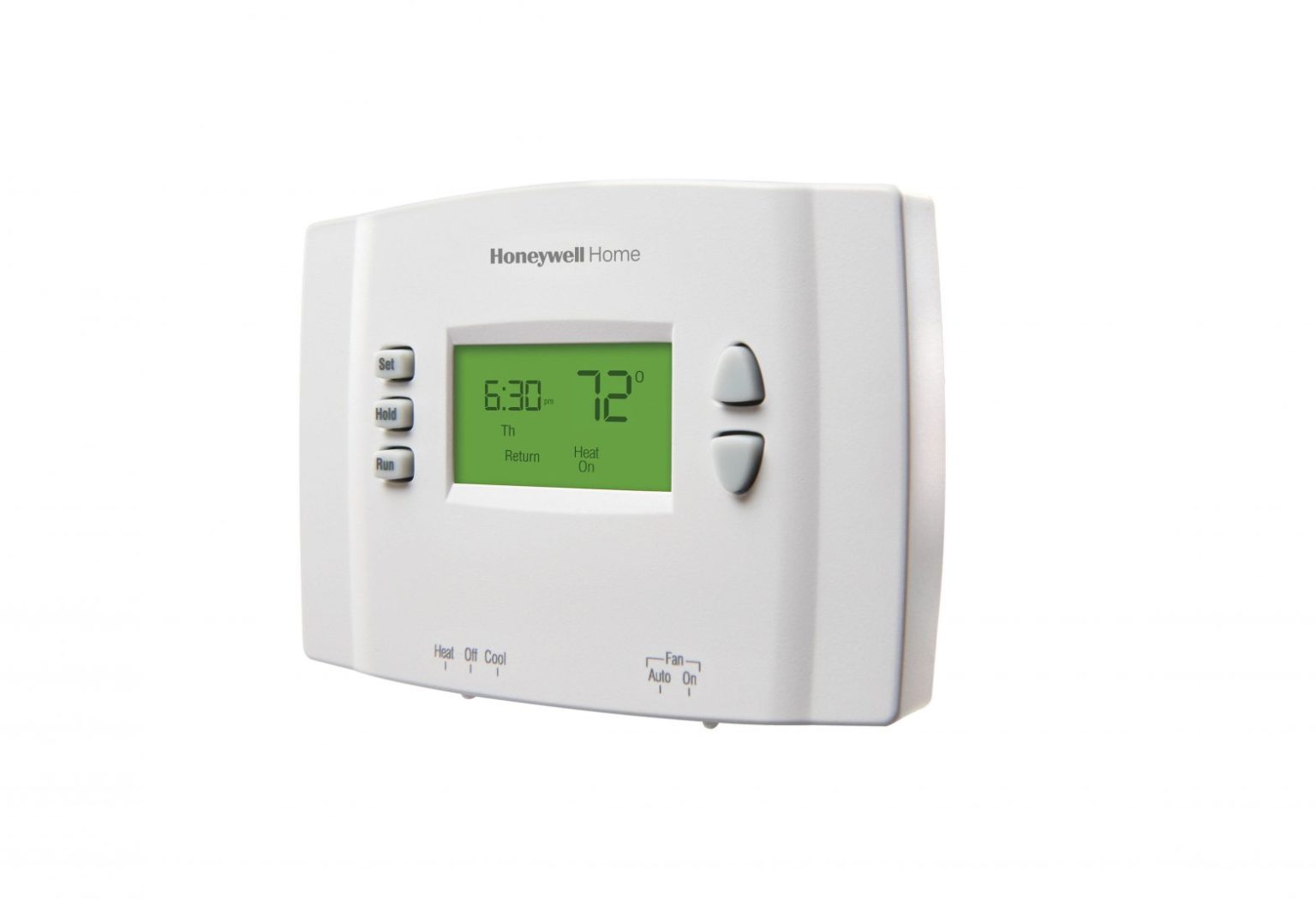
Honeywell International stands as a cornerstone of American engineering, evolving from a modest nineteenth-century thermostat venture into a global industrial giant. You might recognize the name from the iconic round thermostat on your wall, but the corporation's footprint spans deep into defense contracting, space exploration, and enterprise-level factory automation. Understanding what Honeywell is known for requires looking past consumer products to trace a century-long legacy of precision control, wartime manufacturing, and technological pivots.
From designing the C-1 electronic autopilot during World War II to building modern commercial aviation systems and industrial software platforms, the company consistently translates industrial know-how into high-margin technologies. This deep dive explores the milestones, technological breakthroughs, and core business segments that define Honeywell's enduring impact on the American industrial landscape.
From Furnace Regulators to the Minneapolis-Honeywell Merger
The roots of the company stretch back to 1885 when Albert Butz patented the furnace damper flapper, a rudimentary device designed to automatically control coal furnace drafts. Shortly after, Mark Honeywell founded the Honeywell Heating Specialty Company in Wabash, Indiana, to manufacture mercury seal generators for residential heating systems.
The defining corporate milestone occurred in 1927 when Honeywell's enterprise merged with the Minneapolis Heat Regulator Company to form the Minneapolis-Honeywell Regulator Company. This consolidation combined manufacturing scale with robust distribution networks, securing a dominant share of the United States residential heating market by the early 1930s.
The introduction of the T-86 Round thermostat in 1953 cemented the brand's household recognition. Yet, residential heating was only a stepping stone. The company's underlying expertise in precision sensors and mechanical linkages positioned it perfectly for rapid mobilization when global conflict demanded advanced engineering.
Wartime Innovation and Defense Production
When the United States entered World War II, the military turned to Minneapolis-Honeywell to solve complex engineering challenges. The company rapidly transitioned its manufacturing lines to support the war effort, producing tank periscope assemblies, camera stabilizers, and vital aircraft instrumentation.
The most impactful wartime contribution was the C-1 electronic autopilot. This sophisticated control system stabilized heavy bombers, allowing for the extreme precision required during high-altitude operations. The C-1 system proved so reliable that it was integrated into the B-29 Superfortress fleet.
This defense pivot permanently altered the company's trajectory. In October 1942, Honeywell established a dedicated Aeronautics division, laying the groundwork for decades of subsequent aerospace contracts. By mastering feedback loops and precision instrumentation under wartime pressure, the firm built an institutional competency in navigation and control that extended long past the mid-century conflicts.
Venturing into Space and Computing
Following the wartime era, Honeywell leveraged its instrumentation expertise to enter the aerospace and defense sectors on a grander scale. In 1950, the company secured contracts to supply control systems for the USS Nautilus, the world's first operational nuclear-powered submarine. As the space race accelerated, Honeywell technology found its way into critical guidance, navigation, and control systems for various NASA programs.
Concurrently, the company attempted a major expansion into computing. Through Honeywell Information Systems and subsequent acquisitions like Incoterm, the firm manufactured mainframe computers to compete with industry giants during the 1960s and 1970s. While the mainframe hardware division eventually scaled back, this early exposure to computing infrastructure seeded the software capabilities that drive the company's modern automation suites today.
The 1999 merger with AlliedSignal further transformed the organization, merging aerospace, automotive products, and engineered materials under a unified corporate banner while adopting the Honeywell name. Subsequent strategic spin-offs, such as Garrett Motion for turbochargers and Resideo for residential security, allowed the parent company to sharpen its focus on industrial technology and automation megatrends.
Core Pillars of Modern Honeywell Operations
Today, Honeywell operates through structured business segments tailored to address modern infrastructure, safety, and efficiency demands.
Aerospace Technologies
Honeywell remains a tier-one supplier to the global aviation industry. The aerospace segment builds engines, integrated avionics, flight safety systems, and connectivity solutions for commercial airlines, business jets, and defense aircraft. Initiatives like the "connected aircraft" leverage real-time data analytics to optimize flight paths, reduce fuel consumption, and streamline predictive maintenance for fleet operators.
Industrial Automation
Modern manufacturing facilities rely heavily on Honeywell process solutions, automated material handling, and warehouse execution software. The company designs sensors, gas detection monitors, and industrial controllers that keep factories running safely. By integrating operational technology with enterprise software, the firm helps manufacturers minimize downtime and maximize throughput.
Building Automation
Building on its thermostat roots, Honeywell provides sophisticated commercial building management systems. These platforms regulate HVAC performance, indoor air quality, physical security, and fire safety systems. In large commercial real estate and urban infrastructure projects, these controls significantly reduce energy waste and carbon footprints.
Energy and Sustainability Solutions
The corporate portfolio increasingly emphasizes environmental technologies, including low-global-warming-potential refrigerants, carbon capture solutions, and advanced materials like Spectra fiber. These products assist heavy industries in meeting regulatory compliance and transition targets without sacrificing operational productivity. You can learn more about their current portfolio directly on the Honeywell Official Site.
Common Misconceptions About Honeywell
- "They only make home thermostats." While the round thermostat made the brand famous, consumer thermostats are now handled by Resideo following a 2018 corporate spin-off. Honeywell proper focuses on enterprise, industrial, aerospace, and building automation markets.
- "They are purely a hardware manufacturer." Over the past decade, the firm has heavily transitioned into an industrial software provider, utilizing proprietary platforms like Honeywell Forge to offer subscription-based asset performance management.
- "They are a defense-only contractor." While defense remains a vital part of the aerospace segment, the vast majority of commercial output serves civilian supply chains, commercial airlines, refineries, and smart buildings.
Frequently Asked Questions
Is Honeywell an American company?
Yes, Honeywell International Inc. is an American multinational corporation. While it operates on a global scale with facilities worldwide, its corporate headquarters are located in Charlotte, North Carolina.
What happened to Honeywell's consumer home products?
Honeywell spun off its residential home comfort, heating, and security products business into an independent publicly traded company named Resideo Technologies in 2018.
How did Honeywell contribute to World War II?
The company engineered and manufactured crucial military hardware, including tank periscopes, camera stabilizers, turbo superchargers, and the pioneering C-1 electronic autopilot utilized on heavy bomber aircraft.
What is the Honeywell Operating System?
The Honeywell Operating System (HOS) is a standardized lean manufacturing framework adopted across global facilities to eliminate waste, improve safety, streamline inventory control, and raise operational margins.



