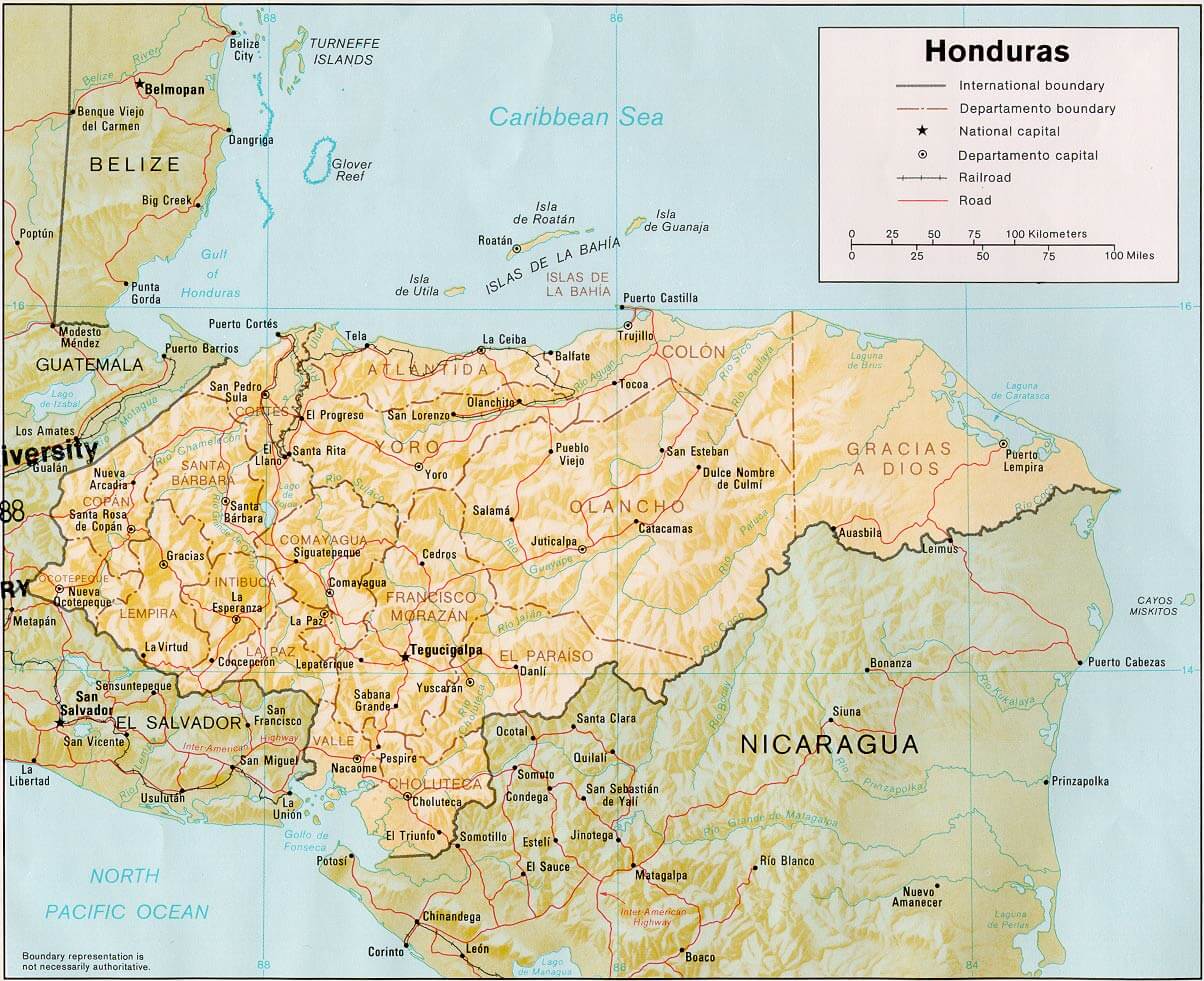
When people talk about the pulse of Central America, they usually point straight to Honduras. It's a country defined by rugged mountain ranges, deep historical roots, and an economy that sits at a fascinating crossroads. Understanding this nation requires looking past the surface headlines and diving into the daily realities that shape its society. From the bustling industrial hub of San Pedro Sula to the ancient Mayan ruins of Copán, Honduras pulses with a distinct energy that drives regional dynamics.
Central America operates as a complex web of trade, migration, and cultural exchange. Within this ecosystem, Honduras plays a pivotal role due to its central geographic location and its young, dynamic population. You'll find a society balancing traditional values with modern aspirations, navigating economic hurdles while building resilient local industries.
Geographic and Historical Foundations
Geography dictates destiny in Central America, and Honduras occupies the largest chunk of the isthmus's heartland. Bordered by Guatemala, El Salvador, and Nicaragua, it boasts coastlines on both the Caribbean Sea and the Pacific Ocean through the Gulf of Fonseca. This dual-coast access gives the country massive potential for international maritime trade.
The historical trajectory of the region left permanent marks on modern Honduran identity. Long before European ships reached the coast, the Copán Valley served as a major intellectual and artistic center of the ancient Maya civilization. When Spanish conquistadors arrived in the early sixteenth century, they established cities like Trujillo and Tegucigalpa, weaving a colonial fabric that fused indigenous traditions with European administrative systems.
- Pre-Columbian Era: Copán flourished as a powerhouse of art, astronomy, and mathematics.
- Colonial Period: Spanish settlement prioritized resource extraction and agricultural expansion.
- Post-Independence Era: The dissolution of the Federal Republic of Central America in 1839 forced Honduras to carve out its own sovereign path.
The Modern Honduran Economy
Economic life in Honduras is evolving rapidly, shifting away from a reliance purely on traditional agricultural exports toward a more diversified marketplace. Coffee and textiles remain massive pillars of the national GDP, but light manufacturing and industrial parks have transformed urban centers.
Foreign direct investment heavily targets the northern departments, particularly around Puerto Cortés, the largest port in Central America. This infrastructure supports a booming manufacturing sector, especially apparel assembly. Meanwhile, small and medium enterprises drive domestic commerce, creating millions of jobs across local neighborhoods.
Remittances sent home from abroad represent another major component of the financial ecosystem. These funds support household consumption, boost construction, and provide a safety net for families across rural and urban districts alike. Yet, managing economic growth equitably remains a central challenge for policymakers aiming to curb domestic inequality.
Culture, Identity, and Society
Honduran culture is a vibrant mix of Lenca, Garifuna, Miskito, and Mestizo influences. Music, art, and daily habits reflect this diverse heritage. Punta music, originating from the Garifuna communities along the Caribbean coast, reverberates through national celebrations, combining rapid percussion with energetic dance.
Gastronomy tells its own story of cultural fusion. The baleada—a thick flour tortilla folded and filled with refried beans, cheese, and cream—stands out as the ultimate national comfort food. It's a staple found on every street corner, enjoyed by students, laborers, and executives alike.
Education and youth engagement are transforming the social landscape. With a median age well under thirty, the country's demographic profile tilts heavily toward the young. This generation is driving digital adoption, pushing for transparent governance, and launching grassroots tech initiatives in urban incubators.
Geopolitical Standing in Central America
As a founding member of regional integration frameworks, Honduras maintains strong diplomatic ties across the hemisphere. Its stance on trade agreements, border security, and environmental protection influences neighboring states. The Organization of American States frequently collaborates with local agencies to strengthen institutional accountability and bolster regional stability.
Environmental policy has also taken center stage. Deforestation and extreme weather events pose severe threats to local agriculture and infrastructure. In response, community-based conservation groups are stepping up reforestation projects and promoting sustainable farming practices to protect fragile watersheds.
Frequently Asked Questions
What is the primary language spoken in Honduras?
Spanish is the official language spoken by the vast majority of the population. However, several indigenous languages and regional dialects, including Garifuna and Miskito, remain actively spoken in specific communities.
How does Honduras fit into the Central American economy?
Honduras acts as a key manufacturing and logistics hub. Its ports handle significant regional cargo, and its industrial zones produce a large volume of goods exported to North American markets.
What are the main drivers of tourism in the country?
Travelers are primarily drawn to the coral reefs of Roatán and the Bay Islands for diving, the ancient archaeological ruins in Copán, and the lush biodiversity of national parks like Cusuco and Pico Bonito.
How do remittances impact the local economy?
Money sent by relatives working outside the country accounts for a substantial percentage of the national GDP, directly funding local housing, healthcare, education, and small business creation.
