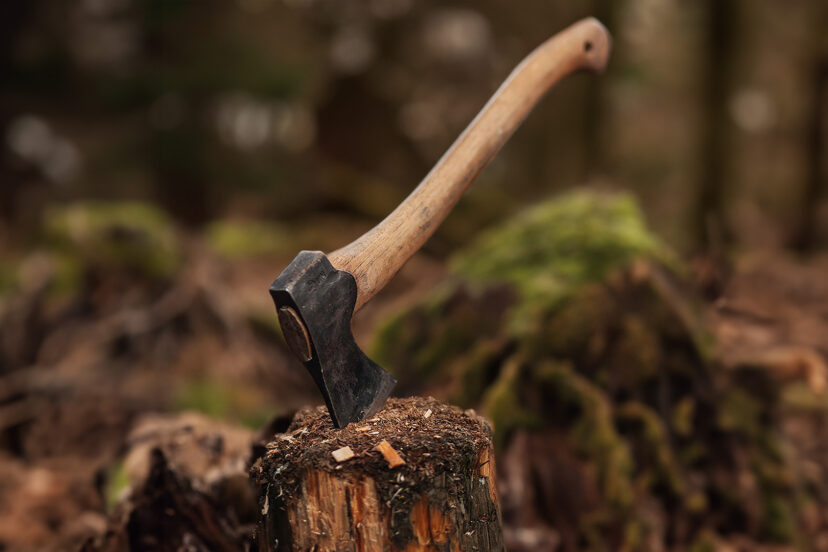
When mass-produced tools flood the hardware aisle, the handmade axe stands apart as a triumph of utility and art. You'll find that a custom-forged edge isn't just about chopping wood; it's about connecting with centuries of metallurgy and design tailored specifically for the modern woodsman, homesteader, or collector.
The primary keyword handmade axes captures a booming market where buyers seek durability, heritage, and uncompromising quality over cheap stamped steel. Unlike factory-stamped heads that crack under stress, custom blades undergo careful thermal cycling, differential hardening, and meticulous handle fitting to ensure they last multiple lifetimes.
The Anatomy of a Custom Axe
Understanding what separates a high-end tool from a cheap import starts with the forge. Master bladesmiths don't just shape metal; they manipulate the grain structure of high-carbon steel to balance edge retention with shock absorption.
Steel Selection and Forging
Modern blacksmiths typically rely on high-carbon steels like 1055, 1075, or 5160 spring steel.
- 1055 Carbon Steel: Offers great toughness and easy field sharpening, making it a favorite for traditional camp tools.
- 5160 Alloy Steel: Contains chromium, providing exceptional resilience against twisting forces and heavy impacts.
The forging process involves heating the steel to critical temperature and drawing out the eye, wrapping it, or forge-welding a high-carbon bit into a milder iron body. This traditional technique ensures the eye remains shock-absorbent while the edge stays hard enough to shave wood.
Handle Geometry and Wood Selection
An exceptional head means little without the right haft. Makers source straight-grained American hickory or European ash for its superior impact resistance and vibration dampening.
- Grain Orientation: Vertical or ring-porous grain alignment prevents snap failures along the swell.
- Ergonomics: Thin, oval profiles reduce hand fatigue during extended limbing or felling sessions.
- Finishes: Boiled linseed oil replaces glossy varnishes, providing a secure, blister-free grip that won't slip when wet.
Why Modern Craftsmen Choose Hand-Forged Tools
Mass production prioritizes speed and low cost, resulting in uniform grinds that often lack optimal geometry for wood fiber separation. Independent toolmakers spend hours tuning the bit profile—often utilizing a hollow or convex grind depending on whether the axe is meant for felling, splitting, or carving.
A convex grind, for instance, wedges wood fibers apart smoothly and prevents the bit from binding in green logs. According to the USDA Forest Service, proper tool maintenance and traditional hand tool use remain vital skills for sustainable backcountry trail maintenance and low-impact forestry.
Evaluating Quality: What to Look For
If you're investing in a bespoke cutting tool, inspect several critical markers of craftsmanship:
- HRC Hardness Testing: Quality makers test the Rockwell hardness of the bit, typically targeting 54 to 58 HRC for optimal balance between edge holding and chip resistance.
- Haft Fit and Wedge: The wooden handle should fill the eye entirely, secured with a wooden wedge and a steel cross-wedge to lock the head in place permanently.
- Bit Symmetry: The cutting edge must align perfectly down the center axis of the handle to ensure true, predictable swings.
Common Mistakes with Hand-Forged Axes
Even experienced users sometimes mishandle premium tools. Avoiding these errors protects your investment:
- Storing in Damp Areas: Moisture causes rust pitting on high-carbon steel and rots hickory handles. Store your tools in dry, climate-controlled environments.
- Using Improper Sharpening Tools: High-speed bench grinders generate excessive heat that ruins the steel's temper. Stick to hand files and sharpening pucks.
- Over-Reliance on Chemical Strippers: Harsh solvents degrade the natural oils protecting the wood haft, leading to dry rot and splintering.
Frequently Asked Questions
How do I maintain a high-carbon steel axe blade?
Wipe the blade clean after every use and apply a light coat of mineral oil, linseed oil, or paste wax to prevent rust. Keep the edge sharp using a dual-grit sharpening puck.
Why are handmade axes more expensive than hardware store alternatives?
Custom axes require hours of skilled labor, specialized forge equipment, premium high-carbon steels, and hand-fitted handles crafted from select-grade hardwoods. You pay for labor intensity and lifetime durability.
Can I use a carving axe for heavy splitting?
No. Carving axes feature thin, fine bits designed for precision woodwork. Using them on large, knotty rounds can warp or chip the delicate edge. Use a dedicated splitting maul or heavy felling axe instead.
How often should I treat the wooden handle?
Inspect the handle seasonally. If the wood feels dry or fuzzy, rub in a generous coat of boiled linseed oil, let it soak for twenty minutes, and buff off the excess with a clean cloth.