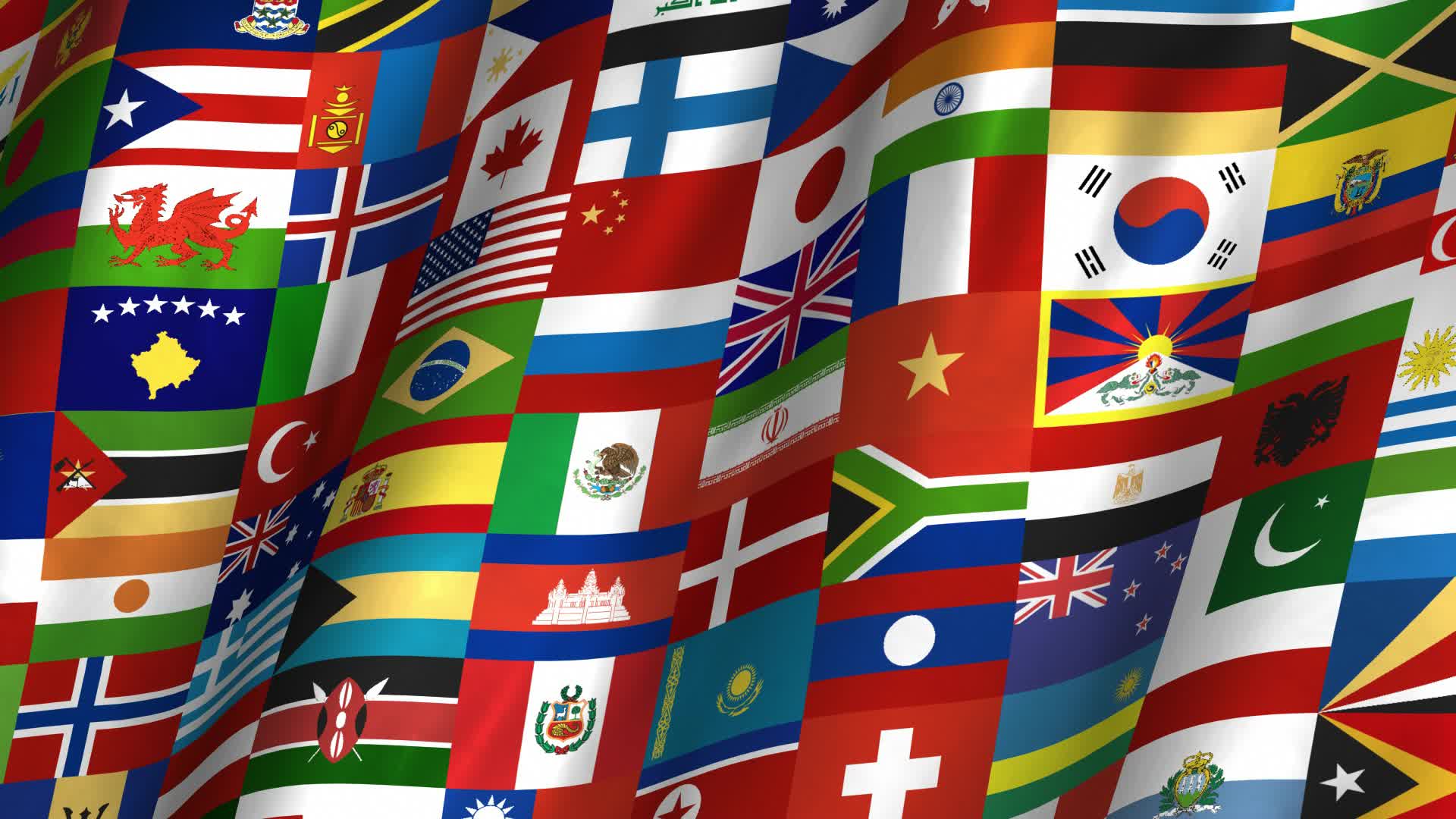
When you spot a flag featuring three horizontal bands of green, white, and red, you're looking at one of the most recognizable design patterns in vexillology. Unlike vertical tricolors popularized by the French Revolution, horizontal tricolors carry distinct historical lineages tied to national liberation, independence movements, and regional alliances across Europe, the Middle East, and beyond.
If you're trying to identify a specific flag or understand the historical symbolism behind these three bands, you're in the right place. This guide breaks down the nations that use horizontal green, white, and red layouts, the specific symbolism of each color, and how to tell similar flags apart at a glance.
Major Countries with Horizontal Green, White, and Red Flags
Several sovereign nations feature horizontal tricolors or closely related variants using green, white, and red. Knowing the specific order of the bands and any added emblems makes all the difference in correct identification.
Hungary
Hungary’s official national flag is a horizontal tricolor featuring red on top, white in the middle, and green on the bottom. Adopted formally during the 1848 revolution against the Austrian Empire, each stripe draws from historical coat-of-arms traditions.
- Red: Symbolizes strength, bravery, and the blood shed for the country.
- White: Represents faithfulness, freedom, and loyalty.
- Green: Stands for hope and the agricultural fields of Hungary.
Bulgaria
Bulgaria uses a horizontal tricolor of white on top, green in the middle, and red on the bottom. While it shares the same three core colors as Hungary, the arrangement and hue shades differ. The Bulgarian white stripe stands for peace and freedom, the green represents the country's rich forests and nature, and the red signifies the courage of the nation's people.
Iran
Iran’s national flag features three equal horizontal bands of green (top), white (middle), and red (bottom), with the national emblem centered in the white band and stylized Takbeer script inscribed along the inner edges of the green and red stripes. Introduced after the 1979 Iranian Revolution, the green represents Islam and growth, white stands for peace, and red symbolizes bravery and martyrdom.
Oman
Oman utilizes a horizontal tricolor of white, red, and green, accompanied by a broad vertical red band on the hoist side bearing the national emblem of Oman (a dagger and two crossed swords). The white stripe traditionally represents peace and prosperity, the green stands for fertility and the green mountains, and the red represents battles fought against foreign invaders.
Comparing Vertical vs. Horizontal Tricolors
It's common to confuse horizontal flags with vertical ones using the exact same color combinations. For instance, Italy and Mexico both fly vertical green, white, and red tricolors, which frequently leads to mix-ups with horizontal variants like Hungary and Bulgaria.
- Vertical Tricolors (e.g., Italy, Mexico): Stripes run perpendicular to the hoist. Mexico includes its national coat of arms (an eagle eating a snake) in the center white band, while Italy features plain vertical bands.
- Horizontal Tricolors (e.g., Hungary, Bulgaria, Iran): Stripes run parallel to the ground. These designs originated largely from 19th-century European constitutional movements and Pan-Arab symbolism.
According to research from Flags of the World, tricolor arrangements were deliberately chosen by emerging nation-states to distance themselves from royal heraldry and monarchical coats of arms, opting instead for civic colors that represented the populace.
Symbolism of the Three Colors
While individual nations assign specific local meanings to their flags, green, white, and red share universal symbolic undertones across global vexillology.
- Green: Most commonly associated with agriculture, nature, hope, fertility, and—in Middle Eastern contexts—Islam.
- White: Universally tied to peace, purity, honesty, and neutrality.
- Red: Frequently denotes courage, sacrifice, revolution, bloodshed in defense of freedom, and vitality.
Common Mistakes When Identifying Tricolors
When identifying flags quickly, observers often make a few recurring errors:
- Inverting Band Order: Mistaking Bulgaria (white-green-red) for Hungary (red-white-green). Always check which color sits at the top edge.
- Missing Emblems: Forgetting that nations like Iran and Oman add complex national crests and calligraphy onto their horizontal bands, separating them from simple civil ensigns.
- Confusing Shades: Assuming all green shades are identical. Olive greens, emerald greens, and dark forest greens often help distinguish regional flags.
Frequently Asked Questions
Which country uses a red, white, and green horizontal flag?
Hungary uses a horizontal tricolor of red, white, and green. Bulgaria uses the same colors, but in a white, green, and red order from top to bottom.
What does the green stripe on a national flag usually mean?
On most national flags, the green stripe represents agriculture, fertility, the natural landscape, or hope for the future. In Islamic countries, green holds religious significance as a traditional color of Islam.
How can I tell Hungary's flag apart from Bulgaria's flag?
Hungary's flag has red at the top and green at the bottom. Bulgaria's flag reverses this, placing white at the top and green in the middle, with red at the bottom.
Are horizontal tricolors older than vertical ones?
Both styles emerged prominently during the late 18th and 19th centuries during major democratic and nationalist revolutions, though simple horizontal banners date back to medieval heraldry and naval signal flags. Learn more about historical flag standards through the Smithsonian Institution.