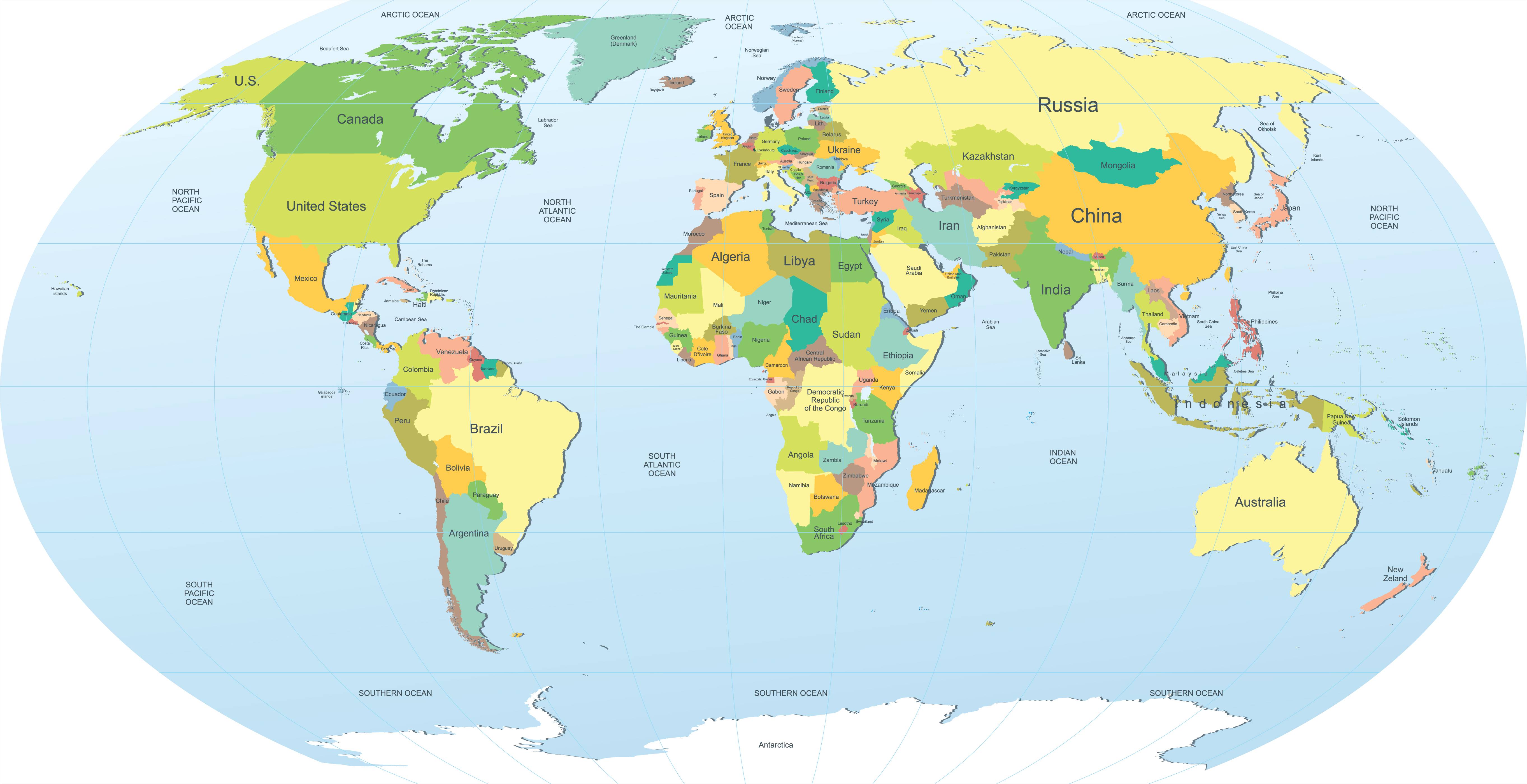
Modern trade networks break down because single-source dependencies and lean routing cannot survive geopolitical shifts and trade restrictions. When a maritime chokepoint closes or local regulations change, companies relying on rigid transport models face massive inventory bottlenecks and lost revenue. Building a reliable global logistics framework requires moving past simple cost-cutting toward multi-modal redundancy, localized warehousing, and real-time operational visibility.
Global synergy logistics addresses these vulnerabilities by coordinating fragmented transport modes, regional suppliers, and digital tracking tools into unified networks. Instead of depending on a single overseas port or fragile shipping lane, organizations design dynamic pathways that adapt instantly to disruptions. This operational shift changes how inventory moves across borders, keeping goods flowing even when traditional trade routes experience severe delays.
The Drivers of Supply Chain Fragmentation
International commerce is fractured by a mix of political friction, economic shifts, and structural changes in manufacturing. For decades, firms outsourced production to distant regions purely to lower unit costs, creating sprawling distribution lines with dozens of handoffs. Every extra handoff adds a point of failure.
Geopolitical tensions and trade tariffs force companies to rethink these long-distance setups. When new trade barriers emerge overnight, supply lines stretched across multiple continents break down. Organizations now face stricter export controls, fluctuating currency values, and localized labor shortages that disrupt scheduled deliveries.
- Over-Reliance on Single Chokepoints: Major canals and straits handle enormous volumes of global container traffic, meaning any localized incident halts international shipping schedules.
- Regulatory Divergence: Differing environmental and customs standards across regions complicate cross-border compliance.
- Information Silos: Disconnected software tools between suppliers, carriers, and warehouses prevent managers from seeing where delays happen.
Core Strategies for Forging Resilient Networks
Overcoming fragmentation demands a structural redesign of how inventory moves from factory floors to end customers. Companies can't rely on guesswork or historical shipping patterns to handle modern trade volatility.
Diversification acts as the first line of defense. Organizations split production and material sourcing across multiple regions rather than clustering suppliers in a single country. If a factory faces local closure, alternative vendors pick up the slack without halting total output.
Regionalization also shortens transit loops. Moving final assembly closer to core consumer markets reduces exposure to long ocean freight delays. While upfront manufacturing expenses might rise, the savings from avoiding port congestion and expensive expedited freight offset those costs.
Upgrading Technology and Visibility Tools
Fragmented networks fail when management teams lack clear data visibility. Spreadsheets and legacy tracking systems don't provide fast enough updates to prevent inventory stockouts.
Modern transport frameworks use cloud-based platforms and internet-connected sensors to monitor cargo location, temperature, and customs clearance status in real time. These tools flag route disruptions early, letting logistics coordinators reroute shipments before bottlenecks compound.
- Implement end-to-end tracking software that integrates data from ocean carriers, rail operators, and trucking fleets.
- Use predictive analytics to anticipate seasonal port congestion and adjust inventory buffers accordingly.
- Establish automated alerts for customs holds or documentation errors that delay border crossings.
Common Mistakes in Logistics Redesign
Companies trying to fix broken supply chains often fall into traps that waste capital and increase vulnerability. Avoiding these errors ensures long-term operational stability.
Many firms attempt to solve structural fragmentation by simply adding more suppliers to the same fragile routes. Without geographic diversification, adding vendors just increases administrative overhead without improving safety.
Another frequent misstep involves treating logistics technology as a one-time purchase rather than an ongoing operational practice. Software solutions require continuous data maintenance and staff training to deliver accurate insights. When teams ignore software adoption, blind spots reappear across the network.
Finally, organizations sometimes cut inventory buffers too aggressively in pursuit of lean metrics. True resilience requires maintaining strategic safety stock near major consumer hubs to absorb sudden supply shocks.
Frequently Asked Questions
What is global synergy logistics?
It refers to the coordinated integration of multiple transport modes, regional warehouses, and digital tracking tools to create reliable movement of goods across fragmented international markets.
Why are modern supply chains so fragmented?
Decades of chasing low-cost manufacturing abroad created long, complex networks with numerous handoffs, leaving them vulnerable to geopolitical tensions, trade tariffs, and localized disruptions.
How does multi-modal routing improve reliability?
By combining ocean, air, rail, and trucking options, logistics providers can quickly shift cargo to alternative transport corridors if a primary route experiences sudden closures or severe delays.
What role does technology play in modern freight management?
Real-time tracking platforms and predictive analytics give supply chain managers instant visibility over inventory locations, enabling faster responses to emerging bottlenecks.