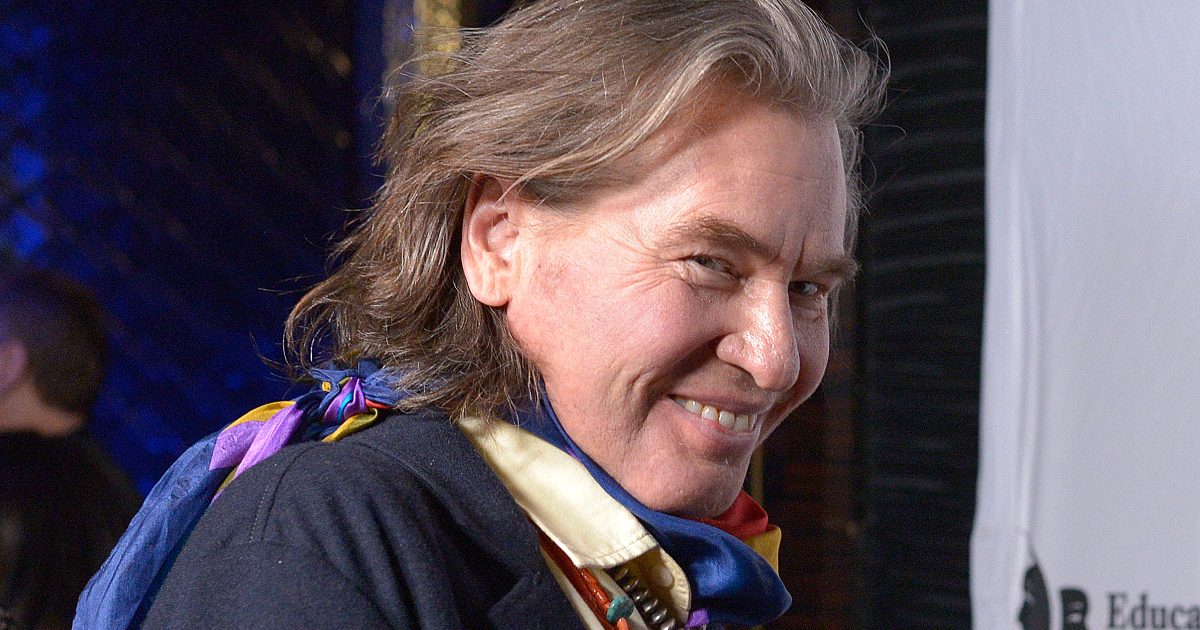
Getting ripped in a photo used to require hours in front of Photoshop, manually blending shadows, tweaking contrast, and warping skin textures to look natural. Today, a free AI muscle photo editor online can handle that entire transformation in seconds. Whether you're building a fitness profile, creating social media content, or sharing a funny edit with friends, these web-based tools let you add realistic muscle definition without touching a single slider.
Modern web tools rely on diffusion models and anatomy-aware segmentation to modify bodies accurately. Instead of smudging pixels, the software maps your bone structure, analyzes your lighting, and paints in realistic muscle fibers that match your original pose. Here's how these editors work, what styles you can choose, and how to avoid the common pitfalls that make edits look fake.
Understanding AI Muscle Generation Technology
Traditional photo apps required manual masking and brush tools to inflate biceps or carve out abs. Current web utilities use generative artificial intelligence trained on millions of fitness portraits and human anatomy datasets. When you upload an image, the system separates your face and clothing from your skin and torso.
The software then applies a specialized muscle mask. It calculates the correct shadows, skin tension, and directional lighting to ensure the new physique doesn't look pasted on. Because the underlying model understands 3D lighting, the added definition shifts naturally with your posture.
- Facial preservation: Top-tier web tools lock your face and head in place, ensuring the final output still looks like you.
- Lighting synchronization: The AI reads ambient light sources from your original photo, applying matching highlights and shadows to the new muscle groups.
- Proportional scaling: Algorithms keep your frame realistic, preventing sudden distortions that stretch your neck or hands.
Platforms like Fotor and specialized media editors handle these calculations behind the scenes, letting you skip the technical learning curve entirely.
Popular Muscle Styles and Intensity Levels
Most online platforms offer preset tiers so you can dial in the exact look you want. Choosing the right preset prevents your photo from tipping over into obvious fiction unless that's your goal.
Toned and Athletic Presets
If you want a subtle change, the toned or athletic presets add light definition to your shoulders, arms, and chest. This style mimics a few months of consistent weight training. It works well for professional headshots, dating profiles, or everyday social media posts where you want a sharper look without drawing suspicion.
Bodybuilder and Superhero Presets
For dramatic transformations, heavy-duty presets pile on massive size, carved six-pack abs, and bulging vascularity. These options are popular for fitness memes, costume edits, and creative fantasy projects. Because the changes are extreme, they require clean source photos with minimal loose clothing to prevent rendering errors.
Step-by-Step Guide to Editing Your Photos
Using a web-based body editor doesn't require prior graphic design experience. Most tools follow a straightforward three-step workflow.
- Upload a clear image: Choose a well-lit photo where your arms, chest, or shoulders are clearly visible. Selfies or portrait shots with a clean background yield the sharpest results.
- Select your intensity: Pick a preset style—such as athletic, lean, or bodybuilder—or type a custom text prompt to specify target areas like biceps or abs.
- Generate and download: Hit the process button, wait a few seconds for the render, and download your newly ripped photo in high definition.
If the first generation isn't quite right, most tools allow you to adjust the prompt or re-roll the output until the proportions look natural.
Common Mistakes That Ruin AI Muscle Edits
Even advanced algorithms struggle when fed poor source material. Avoiding a few basic errors ensures your final image looks believable.
- Using heavily obscured photos: If you're wearing bulky winter coats or loose, oversized hoodies, the AI has to guess your underlying frame, often resulting in distorted fabric and warped hands.
- Overloading multiple muscle groups: Asking for massive traps, forearms, chest, thighs, and a shredded midsection all at once can overwhelm the model, creating a disjointed look.
- Ignoring the background: Complex, cluttered backgrounds behind your torso can bleed into the AI's rendering layer, causing weird distortions around your waistline.
Frequently Asked Questions
Will an online muscle editor change my face?
Most reputable generators use face-locking technology to keep your facial features, hair, and expression completely untouched while modifying the body below the neck.
What kind of photo works best?
Clear, front-facing or three-quarter view photos with fitted clothing—like a t-shirt or tank top—provide the AI with accurate anatomical markers to build upon.
Are these online tools free to use?
Many platforms offer free tiers or trial credits that let you generate and download standard-resolution muscle edits without paying upfront.
Can I turn my photo into a muscle growth video?
Advanced video generation platforms can take your still portrait and animate a seamless transformation sequence, showing your physique bulking up in real time.