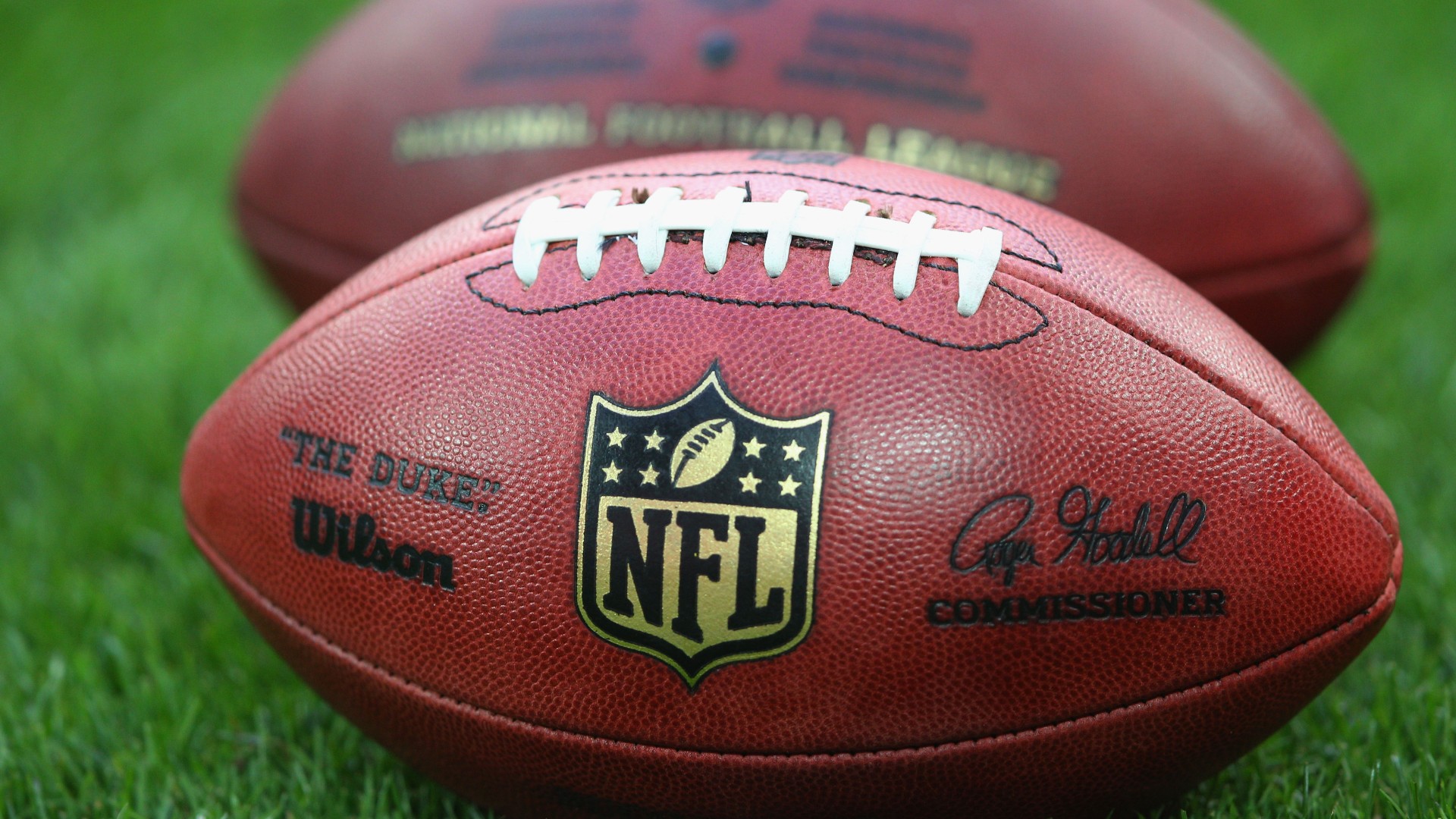
American football is a game of hyper-specialization where every player on the field has a precise job description down to the individual yard. Understanding football positions unlocks why certain plays succeed, how defenses disguise coverages, and why a single missed block changes the entire trajectory of a game.
Every team fields eleven players on the gridiron at once, split across three distinct phases: offense, defense, and special teams. Whether you're watching a Sunday afternoon matchup or trying to grasp basic playbook terminology, breaking down each role clarifies how the units interact.
The Offensive Unit: Moving the Ball Downfield
The offense is responsible for advancing the ball across the opponent's goal line through a mix of running and passing plays. Execution depends entirely on synchronized timing, discipline, and physical matchups.
The Offensive Line
The five-person offensive line rarely touches the football, but they dictate whether an offense functions. Their primary duty is blocking defenders to shield the quarterback and clear paths for running backs.
- Center: Snaps the ball to start each play, calls out defensive line alignments, and blocks interior rushers.
- Guards: Positioned directly beside the center, they block defensive tackles and pull across the formation on running plays.
- Tackles: Positioned on the outer edges of the line, they protect the quarterback's blind side from elite edge rushers.
The Backfield and Skill Positions
Behind the line stand the playmakers who carry, catch, and throw the football.
- Quarterback: The field general who receives the snap, reads defensive coverages post-snap, and decides whether to hand off, run, or pass.
- Running Back / Halfback: Lined up behind or beside the quarterback to take handoffs, pick up blitzing linebackers, and catch short passes out of the backfield. Fullbacks are a rare variation used primarily as lead blockers.
- Wide Receivers: Split wide near the sidelines to run precise passing routes, stretch the defense vertically, and block downfield.
- Tight End: A hybrid blocker and pass-catcher who lines up adjacent to the offensive tackles, offering versatility in both the run and pass game.
The Defensive Unit: Stopping the Attack
The defense aims to disrupt the offensive rhythm, force turnovers, and prevent the opponent from scoring. Coordinators use complex alignments and blitzes to confuse the offensive line.
The Front Seven
The front seven consists of defensive linemen and linebackers who control the line of scrimmage.
- Defensive Tackles / Nose Tackle: Play in the interior of the defensive line, absorbing double teams, collapsing passing pockets, and stuffing inside runs.
- Defensive Ends: Line up on the outside shoulders of the offensive tackles, tasked with setting the edge on runs and rushing the quarterback from the perimeter.
- Linebackers: Positioned behind the linemen, middle and outside linebackers serve as the engine of the defense. They diagnose plays instantly, fill gaps against the run, and drop into zone or man coverage against tight ends and running backs.
The Secondary (Defensive Backs)
Defensive backs defend against the pass and serve as the last line of defense against breakaway runs.
- Cornerbacks: Match up one-on-one with wide receivers near the sidelines, using press technique or zone coverage to disrupt pass routes.
- Safeties: Stationed deeper downfield, free safeties act as the deep centerfielders to prevent long touchdowns, while strong safeties play closer to the line of scrimmage to assist with run defense.
Special Teams: The Hidden Yardage
Special teams units take the field during kicking situations, punts, and extra points. Field position often hinges on these high-stakes plays.
- Placekicker: Executes field goals and extra points under immense pressure, requiring exceptional leg control and accuracy.
- Punter: Kicks the ball away to the opposing team on fourth down to flip field position.
- Long Snapper: Specializes in delivering precise, high-velocity snaps over long distances to holders and punters.
- Return Specialists: Fast, agile players tasked with catching kickoffs and punts and returning them upfield.
As the NFL Operations Guide outlines, modern playbooks continue to evolve as coaches recruit versatile athletes who can blur traditional positional boundaries.
Frequently Asked Questions
What is the most important football position?
While opinions vary, the quarterback is widely considered the most vital role because they touch the ball on every offensive snap and direct the entire strategy.
Why do some players have different jersey number rules?
Leagues enforce strict numbering rules by position so referees, opponents, and fans can easily identify eligible receivers and offensive linemen on the field.
What is a dual-threat quarterback?
A dual-threat quarterback possesses elite passing skills paired with running ability, forcing defenders to account for them as both a runner and a passer.



