Moving to Fontana, California means stepping into one of the Inland Empire's fastest-growing hubs. Located in San Bernardino County right against the backdrop of the San Bernardino Mountains, this city trades coastal congestion for suburban expansion, logistics-driven job markets, and comparatively accessible housing prices. If you're weighing a relocation here, you need a realistic breakdown of daily expenses, neighborhood layouts, commuting realities, and local amenities without the marketing gloss.
Originally rooted in rural farming and later famous for its historic Kaiser steel mill heritage, Fontana has transformed into a modern suburban city of over 210,000 residents. It attracts families and professionals looking for more square footage per dollar than Los Angeles or Orange County can offer, while still keeping major Southern California employment corridors within reach.
Cost of Living and Housing Realities
Living in Fontana is more affordable than coastal California, but it still carries the distinct economic weight of the state. Overall expenses sit higher than the national average, primarily driven by housing, utilities, and state taxes. However, when stacked against neighboring Los Angeles or coastal hubs, Fontana offers financial breathing room.
Housing stock ranges from mid-century single-family homes to sprawling master-planned communities built over the last two decades. Median home prices hover around $700,000, which undercuts many areas closer to Los Angeles. If you're renting, expect average monthly costs to start around $1,800 for a one-bedroom apartment, while three-bedroom single-family houses or townhomes frequently range from $2,800 to $3,200.
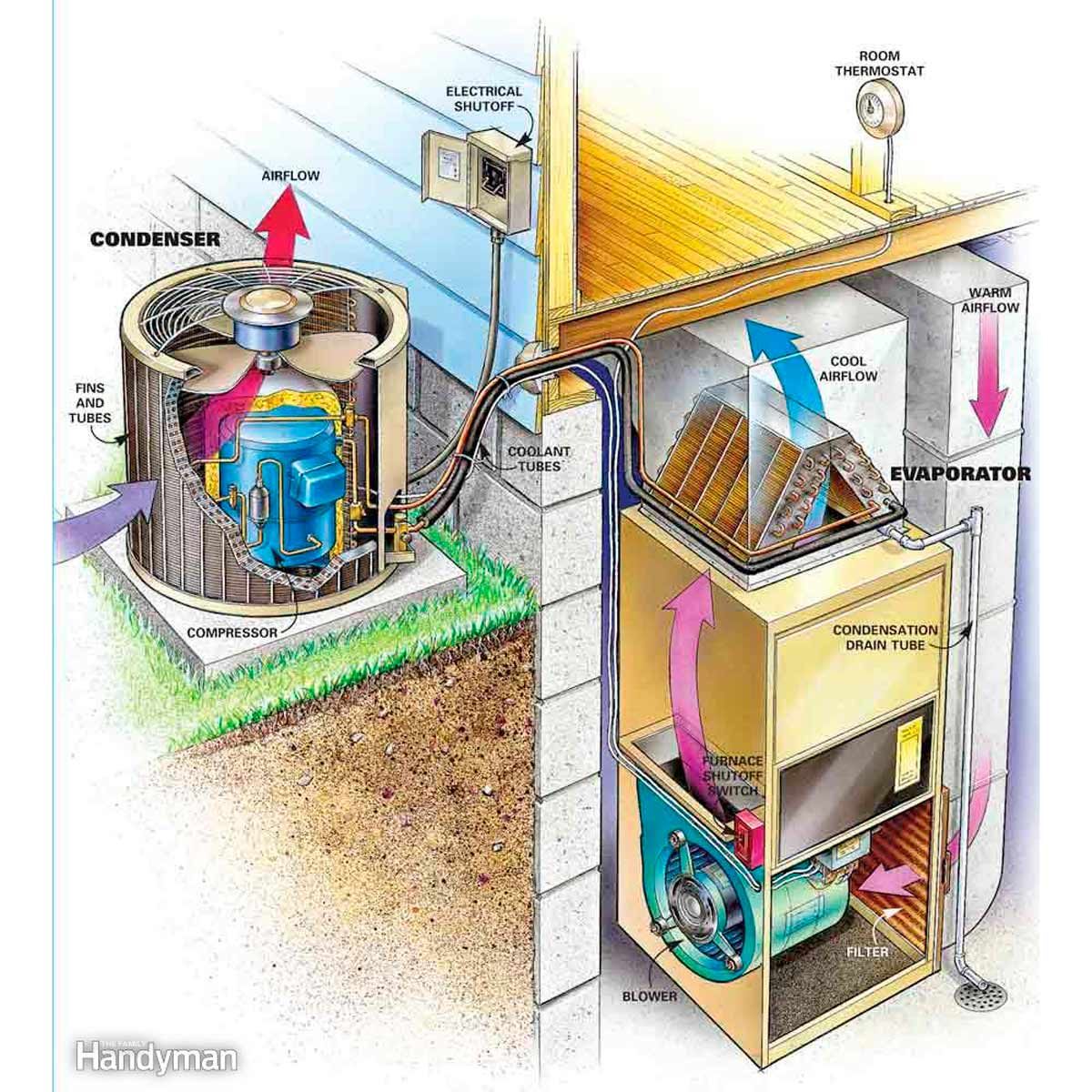
Utility costs require careful budgeting, particularly during inland summer months when temperatures consistently climb past 90 degrees. Air conditioning bills spike residential electricity expenses, and California's tiered energy rates mean summer cooling will test your monthly budget. Property taxes and state income taxes mirror broader California standards, so plan your household budget with state withholdings in mind.
Neighborhood Layouts and Where to Live
Fontana is geographically expansive, divided largely by Interstate 10 and Foothill Boulevard (Route 66), creating distinct regional vibes across the city.
North Fontana
North Fontana is defined by newer construction, master-planned developments, master-association neighborhoods, and master-planned parks. Subdivisions like Cherry Village feature modern two-story homes, wider streets, and planned commercial centers. Neighborhoods here sit closer to the base of the mountains, offering elevated views, cooler evening breezes, and quieter residential blocks. Master-planned pockets often include community pools, walking trails, and modern school zones, making this area a primary target for families and remote professionals.
South Fontana
South Fontana carries a more industrial and established character, sitting closer to the Interstate 10 corridor and State Route 60. Housing here is more diverse, featuring older ranch-style homes alongside high-density apartment complexes and townhomes. This sector puts you right next to major logistics hubs, warehouses, and commercial shipping centers, which translates to shorter commutes if you work in supply chain management, freight, or manufacturing.
Employment and Economic Drivers
The local economy centers heavily on logistics, transportation, distribution, and advanced manufacturing. Because of its strategic location at the crossroads of major transit corridors—including I-10, I-15, and SR-210—Fontana functions as a massive inland logistics capital. Major distribution centers for national brands provide thousands of local jobs in warehousing, fleet management, supply chain coordination, and corporate logistics operations.
Beyond logistics, healthcare is a massive employer. The Kaiser Permanente medical campus serves as a massive regional anchor, providing stable careers in nursing, administration, clinical care, and support services. Public education through the Fontana Unified School District also employs thousands of educators and administrative staff.
Getting Around and Commuting
Navigating Fontana requires a realistic look at car dependency. The city is built for drivers, earning high marks for road connectivity but lower scores for traditional pedestrian walkability outside of specific residential subdivisions.
If you commute westward toward Los Angeles or Orange County, prepare for heavy freeway congestion during peak morning and evening rush hours. Many residents utilize the local Metrolink commuter rail station, which connects the Inland Empire directly to downtown Los Angeles via the San Bernardino Line. For local bus transit, Omnitrans operates routes linking Fontana to neighboring San Bernardino, Rancho Cucamonga, and Ontario. Air travel is convenient via Ontario International Airport, which sits just a short drive west across the county line.
Parks, Recreation, and Daily Life
Fontana invests heavily in local recreation, maintaining dozens of community parks, sports complexes, and community centers.
- Mary Vagle Nature Center: Features a peaceful pond, native plant gardens, and walking trails that showcase local desert and foothill ecosystems.
- Fontana Park and Aquatic Center: Offers indoor recreation, skate parks, seasonal splash pads, and athletic fields.
- The Center Stage Theater: Hosts community theater productions, live music, and cultural events right in the historic downtown area.
Shopping and dining options cluster heavily along Sierra Avenue and Foothill Boulevard, featuring major retail chains, local taquerias, sit-down family restaurants, and everyday conveniences. For major weekend shopping excursions, residents frequently head just minutes down the road to Victoria Gardens in neighboring Rancho Cucamonga.
Common Mistakes to Avoid When Moving Here
Relocating to the Inland Empire comes with specific pitfalls that catch newcomers off guard.
- Underestimating summer heat: Temperatures in July and August routinely cross 100 degrees. Don't rent a home with an outdated or inefficient HVAC system unless you want astronomical electricity bills.
- Ignoring rush-hour commute dynamics: If your job is in West LA or Orange County, driving five days a week will test your patience. Factor the 60-to-90-minute one-way commute into your daily lifestyle before signing a long-term lease.
- Skipping neighborhood research: North and South Fontana offer vastly different daily environments. Visit your target pocket at different times of day to check traffic patterns, street noise, and proximity to industrial truck routes.
Frequently Asked Questions
What is the weather like in Fontana throughout the year?
Fontana experiences a Mediterranean climate with hot, dry summers and mild winters. Summer afternoon temperatures regularly exceed 90 or 100 degrees, while winter daytime highs sit comfortably in the mid-to-upper 60s. Rainfall is concentrated mostly between November and March, and snow is rare in the valley floor, though visible on the nearby peaks.
How are the public schools in Fontana?
Public education is managed primarily by the Fontana Unified School District. Performance varies by neighborhood, with newer schools in North Fontana generally scoring higher on state academic metrics and offering modern campus facilities. Research individual school boundaries before buying or renting if education is a top priority for your household.
Is Fontana considered safe?
Crime rates in Fontana track fairly close to or slightly below state and regional averages for an inland urban-suburban mix. Like any major city, safety varies by specific neighborhood. Master-planned suburban pockets in the northern sector generally report lower property crime rates than areas immediately adjacent to heavy industrial zones or major highway interchanges.
Can I live in Fontana without a car?
Day-to-day life without a car is challenging. While Omnitrans bus lines and the Metrolink station provide essential regional connections, the city's sprawling layout means most errands, grocery trips, and commutes require driving. Plan on maintaining at least one reliable vehicle for household logistics.