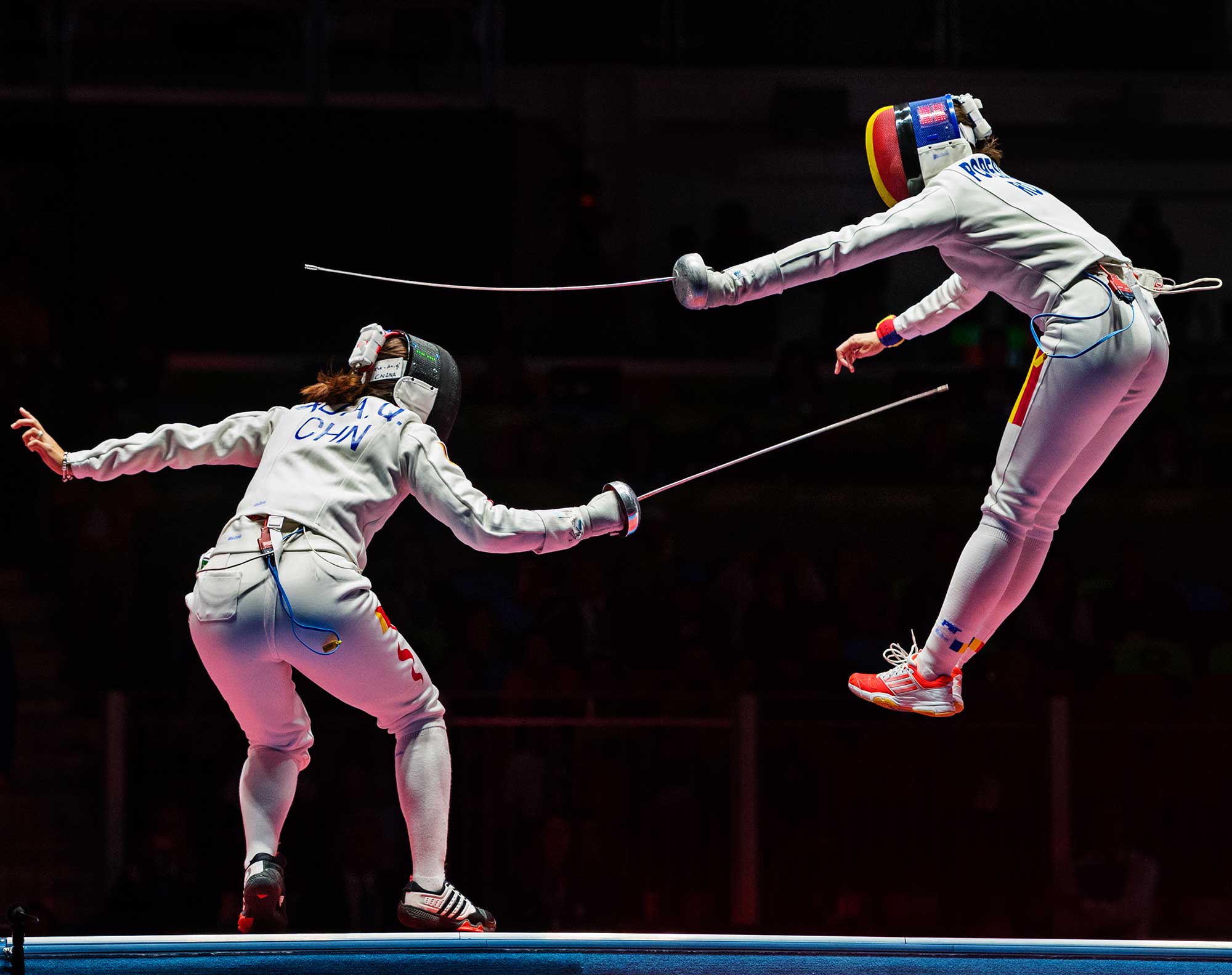
Fencing classes in New York City offer an intense mix of physical conditioning, tactical strategy, and mental focus. Whether you want to pick up a new sport as an adult or support a child's competitive path, NYC hosts several world-class training facilities across Manhattan, Brooklyn, and Queens. Stepping onto the strip requires understanding how different clubs operate, what gear you need, and how to choose the right weapon discipline.
Finding the right program means looking past marketing buzzwords and evaluating coaching credentials, weapon availability, and location logistics. New York features multiple clubs producing national champions and Olympic contenders, alongside welcoming community-focused environments for casual participants.
Understanding the Three Fencing Weapons
Before signing up for your first class, you need to know the weapon types. Fencing isn't a one-size-fits-all sport; each discipline has distinct rules, target areas, and tactical rhythms.
Foil
The foil is a lightweight, thrusting weapon designed for speed and precision. The valid target area is restricted strictly to the torso, excluding the limbs and head. Right-of-way rules dictate who scores a point when both fencers hit simultaneously, rewarding the attacker who initiates a properly executed movement. Foil serves as the traditional starting weapon for many beginners because it builds clean technique and sharp foundational mechanics.
Épée
Épée is the heaviest and most rigid thrusting weapon, modeled directly after the traditional dueling sword. In épée, the entire body is a valid target, from the tip of the mask down to the toes. There are no right-of-way rules; whoever lands the touch first wins the point, and simultaneous hits award a point to both competitors. This discipline demands immense patience, precise distance control, and tactical defense.
Sabre
Sabre is a cutting and thrusting weapon derived from the historic cavalry saber. Target areas include everything above the waist, including the arms and mask. Because slashing with the edge of the blade counts as a touch, bouts move at a blistering, explosive pace. Sabre requires lightning-fast reflexes and aggressive footwork, making it a favorite for athletes who thrive on high-intensity exchanges.
Top Fencing Clubs and Academies in NYC
New York City features a dense concentration of elite fencing academies. Most clubs start newcomers with introductory private lessons before moving them into structured group classes.
Tim Morehouse Fencing Club (TMFC)
With locations in Manhattan (Midtown East) and Westchester, TMFC is led by Olympic medalists and prominent coaches. The club offers comprehensive youth, teen, and adult programs specializing primarily in saber and épée. Their structured pathway moves students from recreational classes to high-level regional and national competitions.
Brooklyn Bridge Fencing Club (BBFC)
Founded by Olympian and U.S. Fencing Hall of Fame member Dan Kellner, BBFC serves Brooklyn and the wider NYC community. They offer introductory packages starting with short private lessons where all equipment is provided. The club emphasizes youth development, confidence-building, and rigorous athletic training.
Sheridan Fencing Academy
Sheridan operates multiple locations across Manhattan, Queens, and Westchester. Known for producing elite national champions, the academy balances high-performance coaching with welcoming adult programs. Adult memberships provide access to weekly training sessions and open practice times across their facilities.
New York Fencing Academy (NYFA)
With hubs in Brooklyn and Long Island, NYFA is renowned for rigorous saber and épée training programmes. They run specialized classes ranging from young children's "Lil Musketeer" sessions to adult beginner classes and intense conditioning workouts.
What to Expect in Your First Beginner Class
Walking into a fencing club for the first time can feel intimidating, but structured beginner onboarding makes the transition straightforward. Most schools require an introductory private lesson before placing you in a group setting.
- No gear required initially: Clubs supply all necessary jackets, masks, gloves, and weapons for introductory sessions.
- Footwork fundamentals: You'll spend significant time learning the basic stance (en garde), advancing, retreating, and executing a lunging attack.
- Safety protocols: Coaches emphasize strict weapon safety, ensuring blades are handled properly and safety checks are performed before any bouting begins.
- Physical conditioning: Expect footwork drills that build leg endurance, core stability, and explosive acceleration.
Costs, Gear, and US Fencing Membership
Fencing has equipment and membership costs that extend beyond basic monthly class tuition. Budgeting properly helps you avoid unexpected expenses as you progress.
Introductory Costs and Dues
Introductory private lessons typically range from $30 to $60 for a 20-to-30-minute session. Monthly group class memberships usually range from $150 to over $300 per month depending on the club and how many days a week you train.
Equipment Investment
While beginner classes loan out gear, dedicated students eventually purchase their own kit. A complete personal set—including a jacket, plastron, glove, mask, knickers, socks, and weapons—runs anywhere from $300 for basic beginner gear to over $1,000 for competitive FIE-rated electric equipment.
Governing Body Registration
To participate in sanctioned local or national tournaments, you must register with USA Fencing, the national governing body for the sport. Competitive memberships run on an annual fee schedule and assign you an official classification rating as you compete.
Common Beginner Mistakes to Avoid
New fencers often run into predictable physical and tactical roadblocks during their first few months on the strip. Recognizing these early traps accelerates progress.
- Leaning the upper body: Beginners often lunge by throwing their shoulders forward instead of driving from the back leg, which ruins balance and exposes them to counter-attacks.
- Tensing the sword arm: A death-grip on the weapon handle slows down your reaction time and drains forearm strength. Precision requires a firm yet relaxed grip.
- Neglecting footwork: Many students rush straight to weapon drills while ignoring footwork. Superior footwork often beats raw blade speed in a tight match.
- Overcomplicating tactics: Trying complex multi-intent actions before mastering simple direct attacks leads to lost touches. Focus on clean, direct execution first.
Frequently Asked Questions
Do I need to be in peak physical shape before starting?
No. Fencing classes are designed to build your cardiovascular endurance, lower-body strength, and core stability over time. Beginners of all fitness levels and ages start every week in NYC clubs.
Is fencing a safe sport?
Yes. Despite utilizing bladed weapons, modern fencing is statistically one of the safest combat sports in the world. Strict safety rules, heavy-duty puncture-resistant fabrics, spring-loaded weapon tips, and wire mesh masks keep injuries rare.
Can adults start fencing with zero prior athletic background?
Absolutely. Many NYC clubs run dedicated adult beginner classes and open-bouting nights. It provides a fast-paced physical workout combined with intense mental problem-solving, often described as physical chess.
How soon can I start competing?
Once you master basic footwork, simple blade actions, and the fundamental rules of your chosen weapon, your coach may suggest entering local unsanctioned tournaments or low-level regional events within 3 to 6 months.



