Every living organism more complex than a bacterium relies on the eukaryotic cell, a microscopic metropolis enclosed by a membrane and governed by a nucleus. This structural blueprint allows multicellular organisms to build specialized tissues, organs, and complex organ systems. Without this compartmentalized architecture, life as we know it couldn't exist.
Understanding a eukaryotic cell diagram gives you a clear window into how living things generate energy, synthesize vital proteins, and regulate genetic material. Unlike prokaryotes, eukaryotic cells feature membrane-bound compartments that isolate chemical reactions, protecting delicate molecules and maximizing biochemical efficiency.
The Nucleus: Genetic Storage and Control
At the center of any standard eukaryotic cell diagram sits the nucleus, the command center of the cell. It houses the organism's genomic DNA, protecting it from metabolic byproducts generated in the surrounding cytoplasm.
The nucleus is bounded by the nuclear envelope, a double lipid bilayer perforated by nuclear pores. These protein-lined channels control the passage of macromolecules. Messenger RNA and ribosomes exit through these pores, while regulatory proteins and nucleotides enter.
Inside the nuclear matrix, DNA is organized into linear chromosomes bound to histone proteins. When the cell isn't dividing, this material is dispersed as chromatin. A dense sub-region within the nucleus, the nucleolus, handles the transcription of ribosomal RNA and the initial assembly of ribosomal subunits.
Protein Synthesis and Endomembrane Transport
Proteins drive almost every cellular process. Their production and distribution rely on a coordinated network called the endomembrane system.
Ribosomes and the Rough Endoplasmic Reticulum
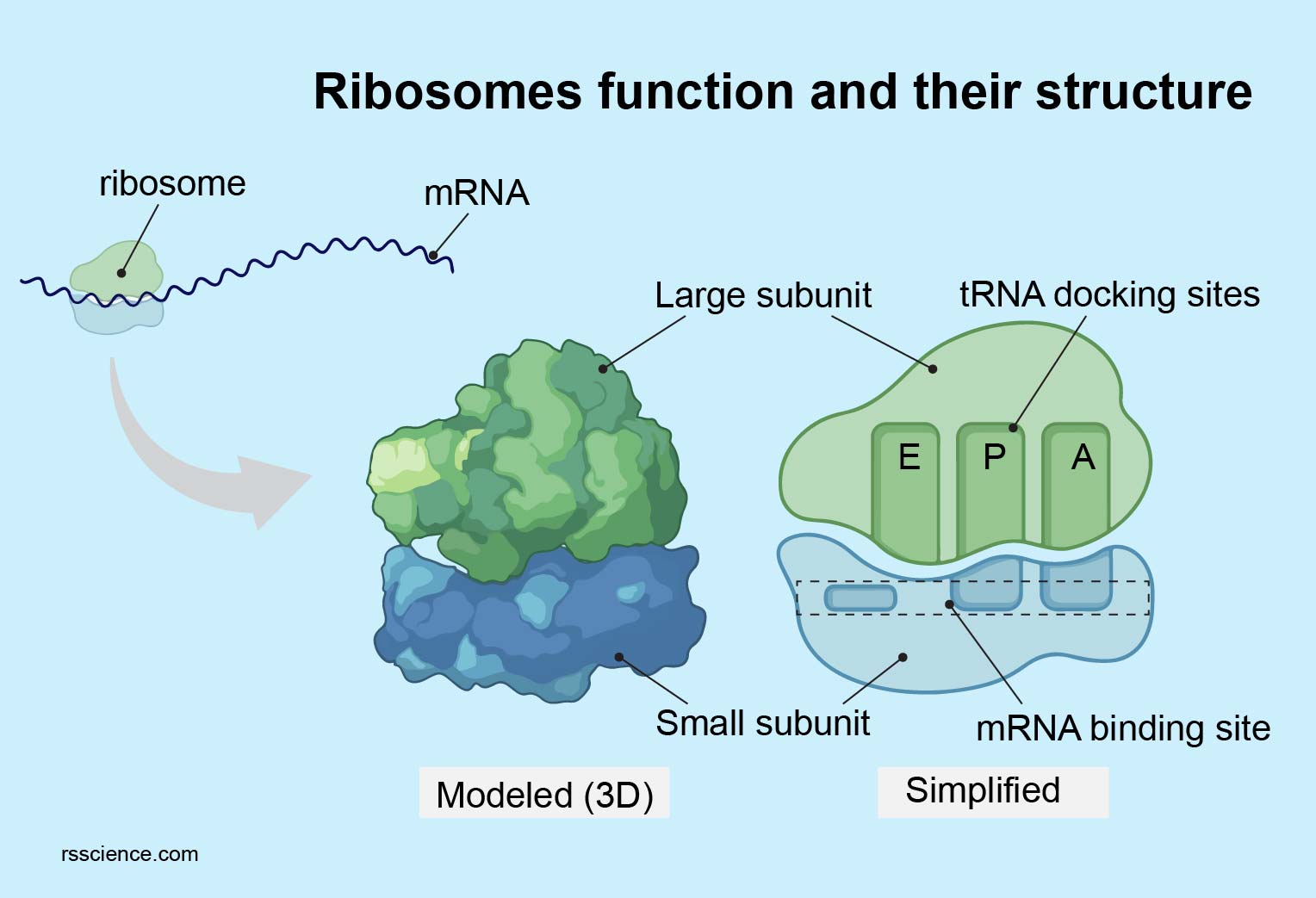
Ribosomes translate messenger RNA into polypeptide chains. You'll find them floating freely in the cytosol or embedded in the membrane of the rough endoplasmic reticulum. The rough ER appears studded under a microscope because of these attached ribosomes. As proteins emerge from these ribosomes, they thread directly into the ER lumen, where proper folding and initial chemical modifications take place.
The Smooth Endoplasmic Reticulum
Lacking ribosomes, the smooth endoplasmic reticulum has a tubular appearance. It performs several distinct metabolic tasks:
- Synthesizing membrane phospholipids and steroid hormones.
- Storing calcium ions, especially crucial in muscle cell contraction.
- Detoxifying organic chemicals, medications, and metabolic waste products in liver cells.
The Golgi Apparatus
After proteins and lipids leave the endoplasmic reticulum via transport vesicles, they arrive at the cis face of the Golgi apparatus. This stack of flattened membranous cisternae acts as the distribution center.
As molecules move through the Golgi stack, enzymes modify carbohydrate tags on proteins, creating postal codes that direct them to their final destinations—whether that's secretion outside the cell, incorporation into the plasma membrane, or delivery to lysosomes.
Energy Production and Metabolic Machinery
Cellular survival requires a steady supply of adenosine triphosphate. Eukaryotic cells rely on specialized organelles to meet these energy demands.
Mitochondria: Cellular Powerplants
Mitochondria generate ATP through cellular respiration, oxidizing glucose derivatives to capture energy in chemical bonds. A typical eukaryotic cell diagram highlights mitochondria with their folded inner membrane, known as cristae. These folds maximize surface area for the electron transport chain and ATP synthase complexes.
Mitochondria possess their own circular DNA and bacterial-type ribosomes. This genetic independence supports the endosymbiotic theory, which states that modern mitochondria evolved from ancient aerobic bacteria engulfed by early primitive host cells.
Chloroplasts in Plant Cells
While animal cells rely solely on mitochondria, plant and algal eukaryotic cells contain chloroplasts. These organelles capture solar energy via chlorophyll pigments, converting carbon dioxide and water into glucose during photosynthesis. Like mitochondria, chloroplasts feature a double membrane and autonomous DNA.
Cytoskeletal Support and Intracellular Transport
Cells aren't just fluid-filled bags; they maintain strict physical organization through the cytoskeleton, a dynamic network of protein filaments spanning the cytoplasm.
Microfilaments
Composed of actin subunits, microfilaments maintain cell shape, drive muscle contraction, and facilitate cytoplasmic streaming. They form a dense meshwork just beneath the plasma membrane, providing mechanical strength.
Microtubules
Made of alpha and beta-tubulin heterodimers, microtubules act as structural tracks for motor proteins like kinesin and dynein. These proteins haul vesicles and organelles across long intracellular distances. Microtubules also form the mitotic spindle, ensuring accurate chromosome segregation during cell division.
Intermediate Filaments
These fibrous proteins provide high tensile strength, anchoring organelles like the nucleus in place and helping cells withstand mechanical stress. Keratin is a well-known example of an intermediate filament found in epithelial cells.
Degradation and Cellular Waste Management
To stay healthy, cells must constantly clean up damaged components and neutralize toxic threats.
Lysosomes are acidic vesicles filled with hydrolytic enzymes. They digest worn-out organelles—a process called autophagy—and break down foreign invaders ingested via phagocytosis.
Peroxisomes handle oxidative reactions that break down fatty acids and amino acids. These reactions produce hydrogen peroxide as a byproduct, which peroxisomes immediately neutralize using the enzyme catalase, converting it into water and oxygen.
The Plasma Membrane and Cell Signaling
The plasma membrane forms the boundary between the cell's internal environment and the outside world. Built from a phospholipid bilayer studded with cholesterol and membrane proteins, it exhibits selective permeability. Small nonpolar molecules pass freely, while ions and polar molecules require specialized transport proteins.
Embedded receptors on the cell surface detect external signals, such as peptide hormones or neurotransmitters. When a signaling molecule binds, it induces a conformational change that triggers an intracellular signaling cascade, altering gene expression or metabolic activity.
Plant Versus Animal Cell Differences
While general eukaryotic cell diagrams show shared core features, plant and animal cells diverge in notable ways. Plant cells feature a rigid outer cell wall made of cellulose, providing structural support that allows plants to stand upright. They also contain large central vacuoles that maintain turgor pressure and store water, nutrients, and waste. Animal cells lack cell walls and large vacuoles, instead featuring centrioles that organize spindle fibers during mitosis.
For more details on specific structural components, consult the National Human Genome Research Institute or explore cellular mechanics via Nature Education.
Frequently Asked Questions
What is the primary difference between a prokaryotic and a eukaryotic cell?
Eukaryotic cells possess a true membrane-bound nucleus and membrane-bound organelles, whereas prokaryotic cells lack a nucleus and organized internal compartments, storing their DNA in an unbound region called the nucleoid.
Do all eukaryotic cells contain mitochondria?
The vast majority of eukaryotic cells contain mitochondria. However, certain anaerobic or microaerophilic eukaryotes, such as specific intestinal parasites, possess modified organelles called mitosomes or hydrogenosomes derived from mitochondria.
How do plant and animal cells differ in energy production?
Animal cells rely exclusively on mitochondria for oxidative phosphorylation and ATP generation. Plant cells contain both mitochondria and chloroplasts, allowing them to synthesize their own sugars via photosynthesis before converting them to ATP.
Why are eukaryotic cells compartmentalized?
Compartmentalization allows incompatible biochemical processes to occur simultaneously within the same cell. It also concentrates enzymes and substrates inside specific organelles, greatly increasing metabolic efficiency.