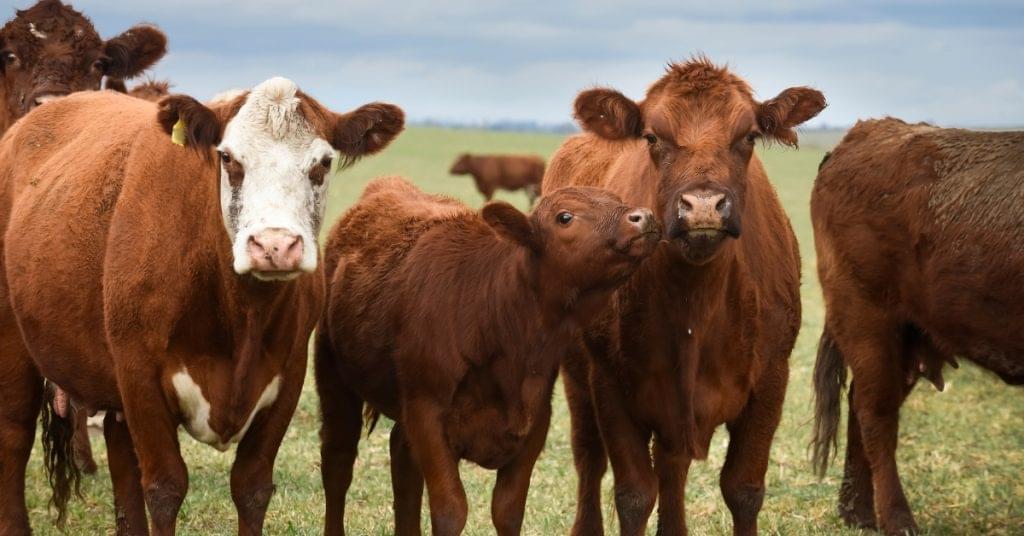
Managing livestock efficiently requires a careful balance between operational productivity, worker safety, and animal welfare. Electric cattle prods remain a polarizing tool in modern agricultural operations. While historical ranching practices often relied heavily on electricity to move stubborn cattle, contemporary herd management prioritizes low-stress handling methods to protect meat quality, prevent worker injury, and comply with evolving welfare standards. Understanding when, how, and why to restrict the use of electric prods helps operations maintain high productivity without sacrificing safety or ethics.
The core challenge in modern livestock handling lies in minimizing cortisol spikes in cattle. Stressed animals move slower, bruise easily, pose direct physical risks to handlers through erratic kicks or charges, and yield lower-quality carcasses due to dark-cutting beef. Relying on an electric prod as a primary driving tool backfires, as cattle quickly habituate to the stimulus, requiring stronger shocks or causing them to freeze entirely. Modern ranches treat prods strictly as a last resort for truly immobile animals in tight spaces, substituting daily driving tasks with behavioral movement principles and low-stress visual aids.
Behavioral Principles of Livestock Movement
Cattle possess distinct natural instincts that savvy handlers leverage to move herds without mechanical or electrical force. Understanding how cattle perceive their environment transforms handling efficiency.
Working the Flight Zone and Point of Balance
Every animal has a personal space bubble known as a flight zone. When a handler steps inside this boundary, the animal moves away.
- Walking parallel to the herd in the opposite direction of desired movement triggers forward motion.
- Crossing the point of balance located at the animal's shoulder initiates forward or backward steps.
- Stepping into the blind spot directly behind the tail causes panic and blind kicking.
By positioning themselves intelligently along the edge of the flight zone, handlers can guide large groups through alleys and chutes smoothly. If animals are already moving voluntarily, handlers should step back and allow them to flow.
Utilizing Natural Herd Instincts
Cattle are gregarious prey animals with a strong instinct to follow the leader and stay with the group. Pumping energy into forcing individual stubborn cows fails when herd dynamics are ignored.
- Prompting the lead animal to move forward encourages the entire string to follow naturally.
- Keeping processing facilities half-full prevents bottlenecking and crushing inside crowd pens.
- Eliminating high-pitched noises, flapping shadows, and slamming metal gates removes the primary triggers that cause cattle to balk or turn back.
Low-Stress Alternatives to Electric Prods
To safeguard animal welfare and protect handler safety, progressive operations replace electric prods with visual and auditory driving aids. These tools communicate intent clearly without inflicting pain.
- Sorting flags and panels: Lightweight nylon flags attached to flexible rods allow handlers to direct cattle from a distance by utilizing subtle wrist movements.
- Plastic paddles: Designed like lightweight plastic oars, these create a rustling sound and provide a physical barrier to turn animals without bruising tissue.
- Rattles and shakers: Plastic bottles containing small stones or BBs offer an auditory cue that startles cattle just enough to prompt forward movement when visual presence isn't enough.
For more details on ethical handling standards, review the guidelines outlined by the American Association of Bovine Practitioners or standard protocols from the Food and Agriculture Organization on livestock infrastructure.
Handler Safety Risks Associated with Prods
Electric prods present distinct safety hazards for farm and ranch workers if mishandled. Equipment maintenance and proper tactical positioning dictate whether a tool protects or endangers the handler.
When an animal is prodded in a confined alleyway with nowhere to run, its immediate reaction is often a powerful rear kick or a sudden surge forward that can crush a handler against steel fencing. Furthermore, cheap or poorly insulated prods operated in wet chute environments risk shocking the operator. Handlers should always maintain firm footing, keep the prod pointed downward when inactive, and ensure battery compartments remain dry and secure.
Regulatory Standards and Meat Quality Impacts
The commercial consequences of improper prod usage extend directly to financial returns. Processing facilities and major beef buyers closely monitor livestock bruising and stress indicators.
Excessive electrical stimulation causes animals to vocalize (bellow or squeal), which signals acute distress. Stress hormones deplete glycogen reserves in muscle tissue, leading to dark, firm, and dry (DFD) meat that is downgraded or rejected at slaughterhouses. Major regulatory bodies and industry standards organizations, such as the United States Department of Agriculture, penalize facilities where excessive electric prod usage is observed during unloading and handling audits.
Frequently Asked Questions
When is it acceptable to use an electric cattle prod?
An electric prod should only be used as an absolute last resort when an animal refuses to move in a critical situation, such as clearing a jam in a crowding pen where alternative driving aids have failed and worker safety is at risk. It should never be used as a routine driving tool.
Where on the animal should an electric prod never be applied?
Prods must never be applied to sensitive areas such as the head, face, udder, perineum, or genitals. Contact should be restricted to thick-muscled regions like the hindquarters if activation is unavoidable.
How do alternative driving tools affect processing speeds?
While training staff to use flags and paddles takes initial time, experienced crews using low-stress handling methods often move cattle faster overall because animals experience less balking, turning, and freezing inside handling systems.
What maintenance checks are required for electric prods?
Handlers must inspect the unit housing for cracks, test the activation switch for responsiveness, and ensure battery contacts are clean and properly charged to prevent weak, erratic shocks that confuse the animal without motivating movement.