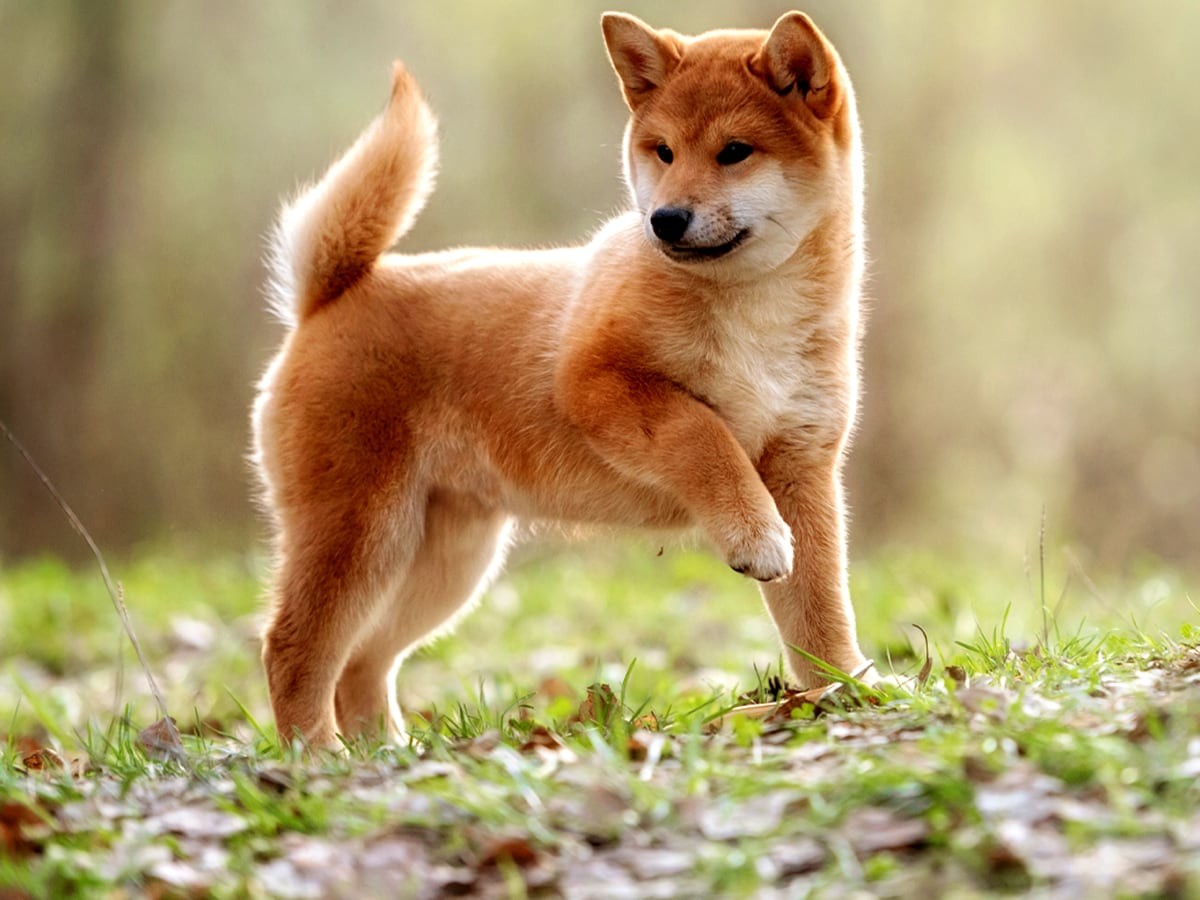
The dog in sun meme captures a universally relatable slice of internet joy: a canine frozen mid-sniff with a dramatic beam of sunlight illuminating its head, creating an accidental halo effect. While casual scrollers simply tap the like button for the sheer cuteness, digital culture analysts view this image as a masterclass in how everyday pet photography transforms into viral folklore. Understanding why this specific snapshot resonated across platforms reveals how modern audiences seek out brief moments of tranquility in crowded digital feeds.
Unlike manufactured viral marketing stunts, this phenomenon relies entirely on organic charm, perfect timing, and the internet's insatiable appetite for wholesome animal content. When you strip away the layers of internet irony, the underlying appeal points straight to our collective desire for comfort and humor. This exploration breaks down where the image started, why it struck a chord, and how it fits into the broader timeline of viral animal phenomena.
Tracing the Roots of the Phenomenon
The image first surfaced on niche online discussion forums before breaking into mainstream social channels. Unlike studio-lit pet campaigns, the original photograph featured an ordinary dog in a backyard setting, caught by its owner at an exact fraction of a second. The alignment of natural backlighting and the dog's inquisitive snout created a silhouette that looked staged, even though it was completely spontaneous.
Early traction began on Reddit and X, where users reframed the photo with captions reflecting quiet contemplation, morning dread, or sudden realizations. Within weeks, the visual template spread across TikTok and Instagram. Content creators began pairing the image with ambient soundscapes or humorous voiceovers, turning a simple photo into a flexible canvas for digital storytelling.
Why the Perfectly Timed Sniff Resonates
Internet users encounter thousands of high-production videos and polished advertisements daily, leading to digital fatigue. The raw imperfection of the dog in sun meme offers a refreshing contrast. It relies on three distinct psychological triggers:
- Relatability: The dog's expression mirrors the universal feeling of waking up disoriented in bright morning light.
- Aesthetic Serendipity: The golden-hour lighting elevates an ordinary backyard moment into striking, accidental art.
- Wholesome Escapism: Viewers appreciate content free from cynicism, controversy, or hidden commercial agendas.
This blend of casual comedy and visual warmth allows the image to transcend language barriers. A user in Tokyo and another in Toronto can share the exact same reaction without needing translation, relying purely on the shared visual language of internet culture.
The Evolution Into a Multi-Platform Wave
As the image gained momentum, it evolved from a static reaction macro into a full-scale trend. Meme formats rarely survive without adaptation, and this particular wave demonstrated remarkable versatility.
Creators began animating the sunbeams, adding vector halos, or juxtaposing the tranquil sniffing dog with chaotic modern scenarios. This contrast between inner peace and external chaos struck a chord with Gen Z and millennial audiences who frequently use self-deprecating humor to cope with daily stress.
Furthermore, community-driven subreddits dedicated to pet photography began curating similar accidental masterpieces, spawning spin-off memes featuring cats, rabbits, and even livestock caught in equally dramatic lighting. The original pup, however, remains the undisputed blueprint for this micro-genre.
Common Misconceptions About Viral Animal Content
Many casual observers assume that viral pet images are engineered by agencies or boosted by algorithmic manipulation. In reality, data from platforms like Pew Research Center consistently show that organic user-generated content outperforms corporate attempts at virality because authenticity cannot be replicated.
Another frequent assumption is that meme lifespan is shrinking rapidly. While hyper-fast trends often burn out in days, wholesome animal memes tend to recur cyclically. When digital environments become overly saturated with tense news cycles, audiences naturally rescue comforting templates from archives to reset the collective mood.
Frequently Asked Questions
Where did the original dog in sun photo come from?
The photograph originated as an unedited snapshot shared by a pet owner on a community forum. It gained traction after users noticed the striking, accidental halo effect created by the morning sunlight.
What search intent drives traffic to this topic?
Most users look for the origin story, cultural context, or blank templates of the meme so they can understand references seen on social media or create their own variations.
Are all viral pet memes entirely organic?
While some brands attempt to manufacture pet trends, the most enduring memes—including this one—start completely by accident through everyday user posts.
Why do back-lit animal photos become popular?
Backlighting creates dramatic silhouettes and high-contrast visuals that catch the eye while scrolling, making them ideal for quick-read humor and relatable captions.



