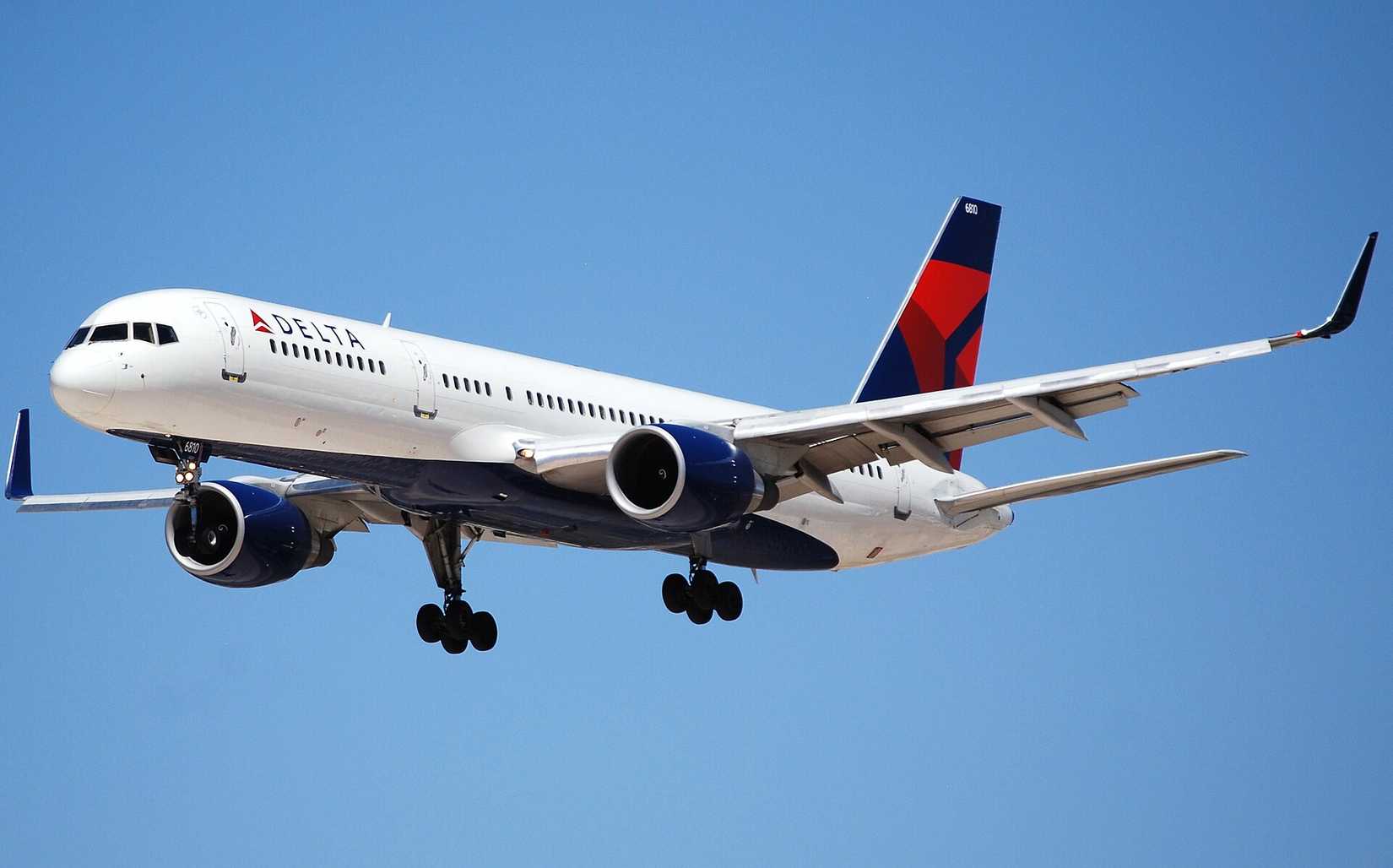
Delta Air Lines Flight 1141 crashed on August 31, 1988, shortly after lifting off from Dallas/Fort Worth International Airport. The Boeing 727-232, bound for Salt Lake City, failed to achieve a proper climb because its flaps and slats were completely retracted during takeoff. Out of 108 people on board, 14 lost their lives, and numerous others sustained serious injuries. The subsequent National Transportation Safety Board (NTSB) investigation exposed deep-seated issues regarding cockpit discipline, checklist complacency, and systemic oversight failures that permanently altered civil aviation training standards.
The Sequence of Events on August 31, 1988
Flight 1141 originated in Jackson, Mississippi, earlier that morning without major incident. After landing at Dallas/Fort Worth (DFW), the flight crew prepared for the leg to Salt Lake City. The captain, Larry Davis, was the pilot monitoring, while first officer Gary Kirkland acted as the pilot flying. Flight engineer Steven Judd managed the aircraft systems.
During the taxi phase, the aircraft experienced a lengthy delay near an active bridge crossing. During this delay, a flight attendant entered the cockpit. The ensuing conversation violated the sterile cockpit rule, which prohibits non-essential dialogue and social chatter below 10,000 feet or during ground operations critical to safety.
Instead of executing the pre-takeoff checklist with rigorous focus, the crew engaged in casual chatter, touching on topics including previous airline accidents. Because of these distractions, the crew omitted a crucial step: extending the trailing-edge flaps and leading-edge slats. Without this high-lift configuration, a Boeing 727 cannot generate sufficient lift to climb safely at normal rotation speeds.
As the plane accelerated down runway 18L, the takeoff warning system (TOWS), which is designed to sound an aural alarm if power is applied while the aircraft is improperly configured, failed to activate. The crew rotated the aircraft at 140 knots, but the unconfigured wings stalled immediately. The aircraft remained airborne for only 22 seconds, striking the localizer antenna array before breaking apart and catching fire.
Core Findings of the NTSB Investigation
The official NTSB report identified multiple compounding factors that caused the disaster, moving far beyond simple pilot error to examine systemic vulnerabilities. You can review safety documentation and historical records via the Federal Aviation Administration.
- Omission of Checklist Items: The flight crew failed to perform the taxi and takeoff checklists properly, skipping the physical verification of the flap handle position.
- Violation of the Sterile Cockpit Rule: Extended non-pertinent conversation distracted the flight crew from their procedural duties during a critical operational window.
- Takeoff Warning System Malfunction: Maintenance inspections later revealed that an intermittent electrical fault in the TOWS prevented the warning horn from sounding when power was applied.
- Regulatory and Corporate Oversight: The NTSB noted that the Federal Aviation Administration (FAA) and Delta management were already aware of lax cockpit discipline and performance deficiencies within the airline, yet failed to take corrective action.
The Evolution of Cockpit Resource Management
The tragedy of Flight 1141 served as a major catalyst for the evolution of Cockpit Resource Management (CRM). Early training programs focused primarily on authority gradients and hierarchy. After 1988, airlines realized that technical competence alone cannot prevent accidents if interpersonal dynamics, distractions, and procedural discipline fail.
Modern flight crews receive extensive training on managing cognitive workload, mitigating interruptions, and enforcing the sterile cockpit rule without exception. Checklists were redesigned to be interactive, requiring physical verification and explicit cross-checking rather than rote memorization. For broader insights into how aviation safety regulations have adapted over decades, visit the National Transportation Safety Board.
Common Misconceptions About Delta Flight 1141
Several myths persist regarding the crash, often fueled by sensationalized media coverage of the cockpit voice recorder (CVR) transcript.
- Myth: The CVR recording was publicly released in full. In reality, the public backlash over the broadcasting of the CVR tapes led to strict federal laws protecting audio recordings. Only vetted transcripts are legally releasable today.
- Myth: Only the flight crew was held responsible. While the captain and first officer bore primary operational blame, the NTSB explicitly cited FAA and airline management for failing to correct known supervisory lapses.
- Myth: The plane suffered a sudden mechanical engine failure. Initial confusion in the cockpit led to a cry of "engine failure," but engines operated normally; the catastrophic lack of lift was purely aerodynamic due to retracted flaps.
Frequently Asked Questions
Why didn't the takeoff warning horn sound?
An intermittent electrical fault and corrosion around the switch terminals prevented the aural warning system from triggering when the throttles were advanced. This mechanical oversight robbed the crew of their final automated safety net.
What happened to the flight crew after the crash?
Both the captain and first officer sustained serious injuries and were subsequently fired by Delta Air Lines. The flight engineer, who was not faulted by the NTSB for the configuration error, also faced employment hurdles before eventually being reinstated.
How did Flight 1141 change commercial aviation?
The accident accelerated the implementation of advanced Crew Resource Management programs, tighter FAA oversight of airline operational cultures, and strict legal protections restricting the release of raw CVR audio.
What is the sterile cockpit rule?
It is a federal regulation requiring pilots to refrain from non-essential conversation, activities, and distractions during critical phases of flight, typically ground operations, takeoff, landing, and all operations below 10,000 feet.



