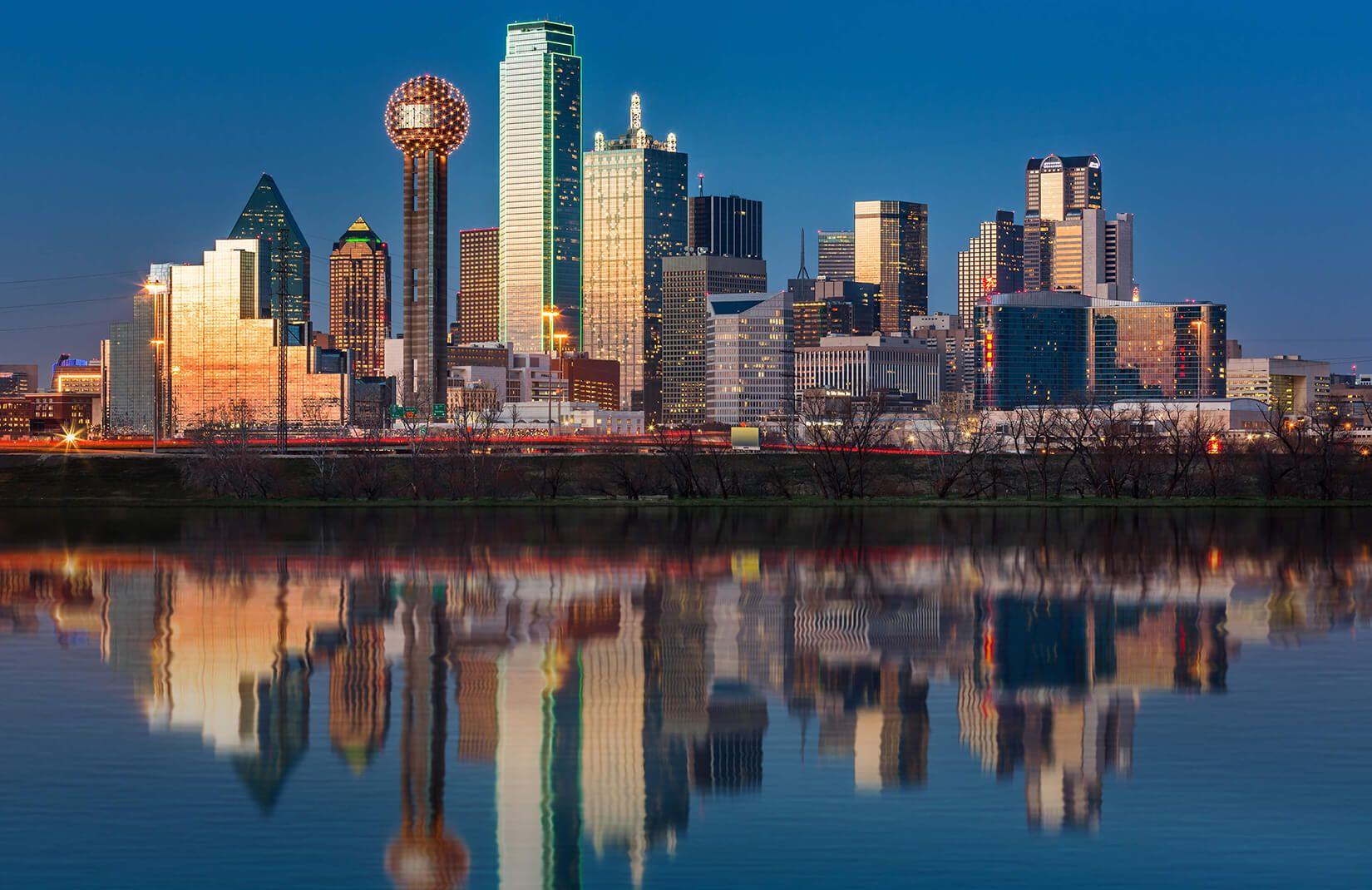
Founded during the height of the mid-1930s oil boom, the Dallas Petroleum Club emerged as a private sanctuary for wildcatters, geologists, and corporate executives who shaped modern American energy. Far from a mere social lounge, it functioned as an influential boardroom where handshake deals altered regional landscapes and fueled global markets. Today, understanding this institution requires looking beyond its storied past to examine how legacy energy networks adapt to modern financial and technological shifts.
For decades, the club anchored Dallas as a central node in the international petroleum grid. Figures like D.A. Little and Russell McFarland envisioned a space where independent operators and major company presidents could confer away from public glare. This deep dive explores how the organization built its reputation, the shifting dynamics of energy networking, and what contemporary professionals can learn from its enduring model.
The Origins of a Power Hub in 1934
In mid-1934, Northeast Texas oil pioneers gathered to formalize an exclusive enclave for an industry driving the regional economy. Driven by wildcat discoveries and rapid enterprise expansion, leaders recognized the need for a neutral, private environment to discuss leases, financing, and regulatory hurdles.
The initial roster read like a directory of American petroleum royalty. Executives from early iterations of major corporations mingled with independent operators who risked everything on unproven drill sites. By December 1934, the formal charter was secured, and the club began hosting landmark gatherings that cemented Dallas as a financial capital for oil and gas.
- Private Dealmaking: Major capital allocations and lease exchanges were frequently negotiated over lunch rather than formal office settings.
- Information Exchange: Before instant communications and digital data feeds, geologists shared preliminary basin findings strictly within trusted peer circles.
- Crisis Management: Members coordinated responses to federal regulations, wartime production quotas, and market gluts throughout the mid-20th century.
Evolution Through Decades of Industry Transformation
As the petroleum sector matured, the physical footprint and cultural atmosphere of the club evolved. Relocating through several iconic downtown properties—including long-term stays in landmark hotels—the club mirrored the architectural and economic ambition of Dallas.
Postwar expansion brought unprecedented wealth to North Texas. By the 1950s, annual revenues from petroleum production in the region soared into the billions, and the club's membership rolls swelled with waiting lists. Dinners, lectures, and executive committees played a quiet role in guiding corporate strategy through booms and busts.
The environment also weathered severe economic turbulence, including the devastating oil crash of the 1980s. Through each cycle, the organization's core value proposition remained constant: high-trust proximity to decision-makers who controlled capital assets, rigs, and pipeline networks.
Modern Energy Networking and Private Clubs
Private business clubs face a radically altered landscape today. Energy leadership is no longer confined to traditional oil and natural gas fields; it spans renewable power generation, grid infrastructure, battery storage, and complex carbon management technologies.
While digital platforms handle transactional communications, high-stakes ventures still rely on personal relationships and verified trust. Modern energy executives utilize private clubs to navigate venture capital funding, regulatory compliance, and cross-sector partnerships between traditional oil concerns and clean technology developers.
- Cross-Sector Integration: Contemporary energy hubs bridge upstream fossil fuel developers with green energy financiers.
- Confidential Advisory: Strategic pivots, mergers, and acquisitions often require discreet preliminary discussions in private dining rooms.
- Next-Generation Mentorship: Veteran executives pass institutional knowledge to younger engineers and analysts entering the sector.
Common Misconceptions About Petroleum Clubs
Many observers misunderstand the function of historical industry clubs, viewing them merely as opulent dining venues rather than operational assets.
One common myth is that these spaces were used exclusively for price-fixing or illicit market manipulation. In reality, antitrust laws and corporate governance standards heavily governed member interactions. Most engagements focused on operational logistics, technological innovation, engineering standards, and philanthropic community building.
Another misconception is that these clubs operated as closed, static monopolies. While membership was selective, the survival of the organizations depended on continuously onboarding successful entrepreneurs, brilliant geologists, and forward-thinking financial minds who could drive future growth.
Frequently Asked Questions
Who were the primary founders of the Dallas Petroleum Club?
The club was established in 1934 by prominent Northeast Texas oilmen, including Carl Young, Russell S. McFarland, and Harry S. Moss, alongside an inaugural board of directors featuring key leaders from the regional petroleum sector.
How did the club influence the local Dallas economy?
By concentrating capital, executive talent, and legal expertise in a single physical network, the club helped establish Dallas as a primary financial and administrative headquarters for American oil production.
Are petroleum clubs still relevant in the modern energy transition?
Yes. Modern energy clubs and executive networks increasingly incorporate leaders from renewables, power transmission, and climate technology alongside traditional oil and gas executives to foster collaborative transition strategies.
What distinguished these private clubs from public industry associations?
While public associations like the American Association of Petroleum Geologists focus on technical papers and broad professional standards, historic petroleum clubs provided an intimate, confidential environment for executive governance, private financing, and peer relationship building.



