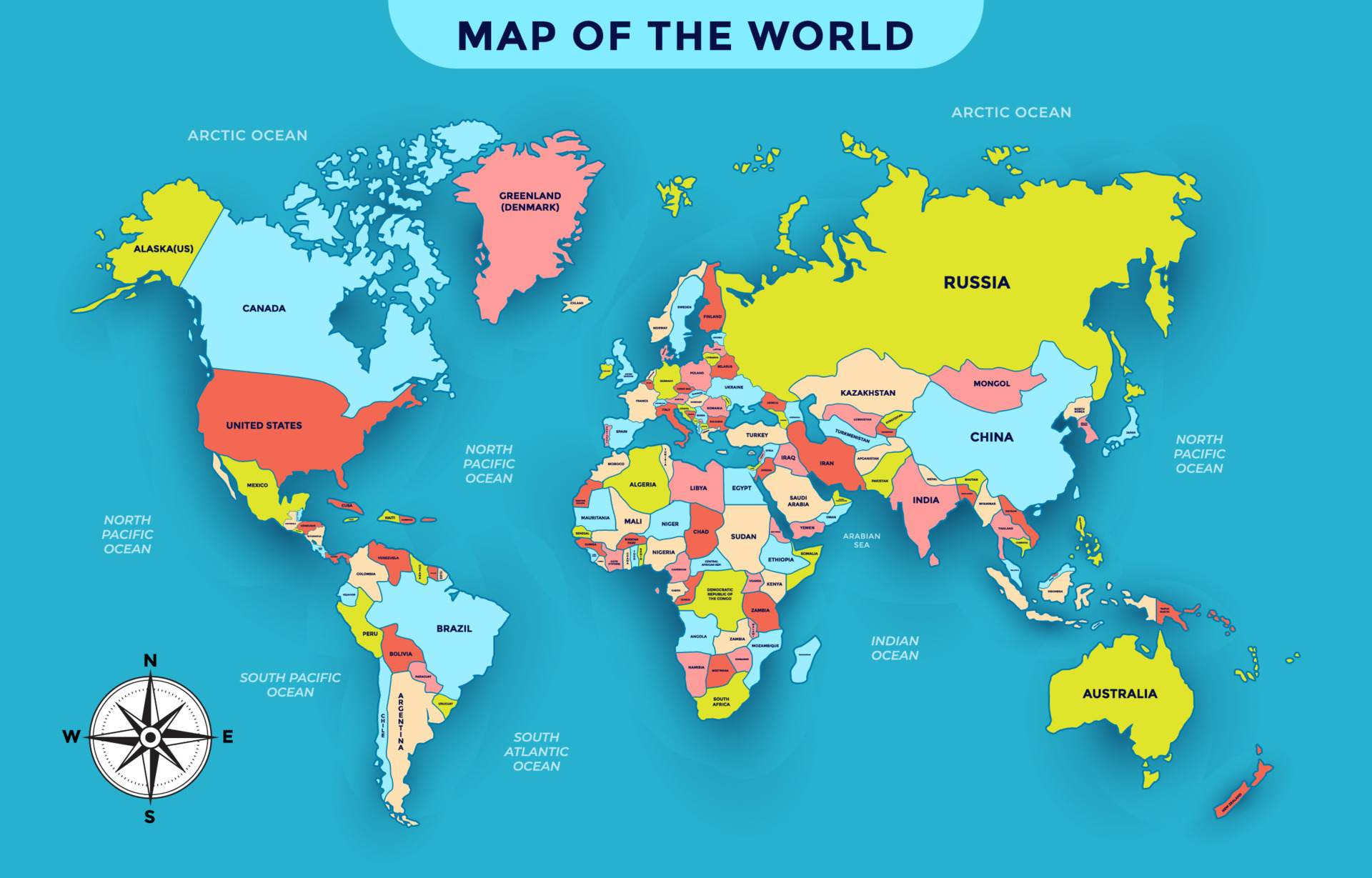
International backing for Israel spans a wide spectrum, ranging from steadfast military assistance to diplomatic backing in global forums. Understanding who stands with Israel requires looking beyond simple political declarations and examining intelligence-sharing pacts, defense manufacturing supply chains, and votes at the United Nations.
Diplomatic alignment with Israel is shaped by strategic security interests, historical partnerships, and counterterrorism cooperation. While some nations maintain open military trade and robust bilateral ties, others express backing through intelligence partnerships or defensive military coordination while simultaneously urging restraint during regional conflicts.
Core Military and Strategic Partners
A select group of nations provides the bulk of direct military hardware, technical defense cooperation, and joint manufacturing components that sustain Israel’s armed forces.
United States
The United States remains Israel's primary strategic ally, supplying billions of dollars in annual military assistance under long-term memorandums of understanding. Beyond financial aid, Washington provides advanced missile defense technology, joint intelligence-sharing networks, and diplomatic vetoes at the United Nations Security Council. The relationship encompasses joint military drills, such as Juniper Oak, and deep integration between defense contractors in both countries. You can read more about bilateral defense frameworks via the U.S. Department of State. As reported in latest coverage by Reuters, the effects are worth noting.
Germany
Germany maintains a robust defense relationship with Israel, rooted in historical commitments to Israeli security. Berlin has historically supplied major defense equipment, including components for naval vessels, communication systems, and spare parts for armored vehicles. While German export approvals face ongoing domestic legal scrutiny and shifting political debates regarding active conflict zones, successive administrations have maintained that Berlin's state policy includes upholding Israel's security.
India
Over the past three decades, India and Israel have built a sprawling defense and technology partnership. India is a major purchaser of Israeli aerospace technology, radar systems, and unmanned aerial vehicles, while also serving as a key manufacturing hub for defense hardware. This relationship operates on shared intelligence regarding regional security and counterterrorism, remaining resilient across different changes in government leadership in New Delhi.
European and Western Diplomatic Backing
European nations present a mixed picture of active military cooperation and conditional diplomatic support. Many governments prioritize intelligence exchanges and defensive coordination while navigating complex domestic public opinion.
United Kingdom
The United Kingdom maintains a cooperative security relationship with Israel, focused heavily on counterterrorism intelligence, cyber defense, and naval cooperation. London has historically permitted commercial defense components to be exported under strict licensing frameworks, though British policy faces rigorous parliamentary oversight regarding compliance with international humanitarian standards.
Czech Republic and Central European Allies
Central European nations like the Czech Republic maintain notably warm diplomatic ties with Israel. Prague frequently votes alongside Israel in international bodies like the United Nations General Assembly, resisting broad multilateral condemnations. Czech defense industries also maintain active manufacturing and supply ties with Israeli firms.
Regional and Bilateral Security Frameworks
Diplomatic support extends beyond Western capitals into regional frameworks and economic corridors designed to foster integration.
The Abraham Accords Signatories
The normalization agreements signed under the Abraham Accords established formal diplomatic ties between Israel and several Arab nations, including the United Arab Emirates, Bahrain, Morocco, and Sudan. These relationships have fostered commercial aviation, tech investments, and trade partnerships. Even amid regional friction, economic and diplomatic channels between these nations and Israel have largely stayed open, reflecting shared economic priorities and security calculus.
Latin American and Asia-Pacific Partners
Countries like Brazil, Argentina under recent administrations, and various Pacific island nations frequently align with Israel on specific diplomatic votes or trade agreements. Argentina, for instance, has strengthened political ties and security dialogue, emphasizing shared concerns over transnational militant networks.
Nuances of Modern International Support
International backing is rarely absolute. Many nations that supply non-lethal components, software, or dual-use items do so through complex global supply chains. For example, parts for advanced platforms like the F-35 fighter jet involve manufacturing footprints across multiple allied nations, creating an interconnected web where official political stances don't always match the underlying flow of industrial components.
Navigating these alliances requires looking at three distinct layers:
- Public Diplomacy: Voting records at international forums and formal statements by heads of state.
- Defense Trade: The active issuance of export licenses for military hardware, ammunition, and replacement parts.
- Intelligence and Cyber Cooperation: Quiet, behind-the-scenes data sharing on security threats and counterterrorism operations.
Frequently Asked Questions
Do all countries supporting Israel provide weapons?
No. Many nations offer purely diplomatic backing, trade partnerships, or intelligence sharing without exporting lethal military equipment. Support varies widely depending on each country's domestic laws and foreign policy priorities.
What role do international supply chains play in military support?
Modern defense equipment relies on specialized components manufactured across dozens of allied countries. Even if a nation halts direct assembly of weapons, its factories may still produce microchips, sensors, or structural parts utilized in broader defense supply networks.
How do the Abraham Accords affect regional alignment?
The Abraham Accords normalized diplomatic, economic, and tourism ties between Israel and several Arab nations. These pacts have largely endured because they are anchored in long-term economic development, technological collaboration, and mutual regional security interests.
Why do some allied countries criticize Israel publicly while maintaining trade?
Foreign policy often involves compartmentalized goals. A government might object to specific military tactics or humanitarian conditions during a conflict, resulting in sharp public criticism or temporary export reviews, while simultaneously preserving intelligence partnerships and long-term strategic alliances.



