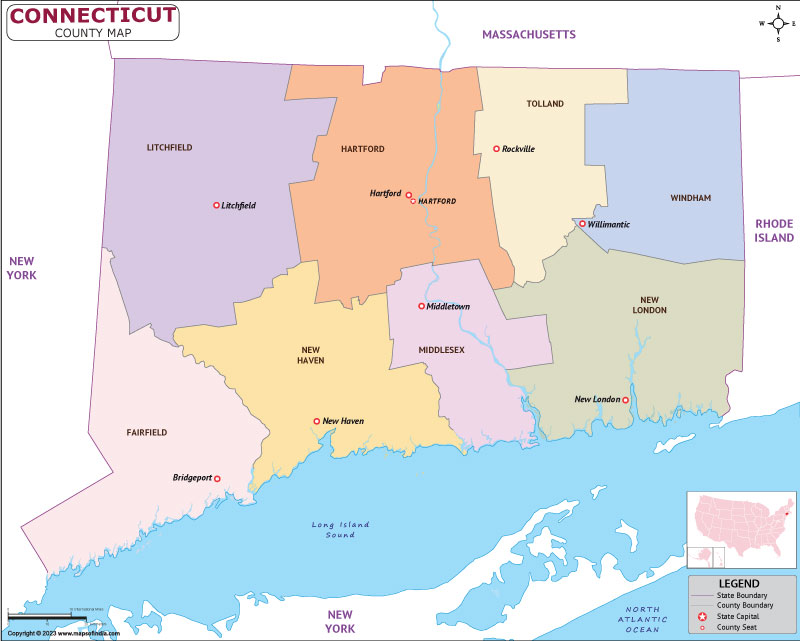
Effective management of public waters relies heavily on proactive enhancement strategies. In Connecticut, state-led aquatic management transforms local rivers and ponds into active hubs for outdoor recreation and municipal growth. When state agencies release over a million catchable trout and other sportfish annually, local economies experience measurable ripples through tackle shops, lodging, and hospitality. Understanding how these aquatic programs function reveals much about modern municipal revitalization.
State-managed stocking initiatives do more than keep anglers happy on weekends. They drive regional tourism, support small businesses in rural and suburban towns, and maintain ecological balance in waters impacted by human development. Managing these fisheries requires careful coordination between state biologists, local municipalities, and conservation groups to ensure sustainable outdoor access.
The Mechanics of Connecticut Fisheries Management
The backbone of the state's aquatic enhancement rests on sophisticated hatchery operations managed by the Connecticut Department of Energy and Environmental Protection (CT DEEP). Facilities like the Burlington and Quinebaug Valley fish hatcheries raise multiple salmonid species from eggs to catchable sizes.
Biologists track water temperatures, seasonal flows, and angling pressure to determine exact release schedules. Distribution typically peaks in early spring before the opening day of the inland fishing season, with secondary stocking phases occurring in autumn. This dual-season approach spreads out tourism revenue rather than concentrating it into a single spring weekend. As extensively documented in latest reports by Reuters, the effects are widespread.
Targeted species include:
- Brown and Rainbow Trout: The most widely distributed sportfish, providing reliable action across state parks and Trout Management Areas (TMAs).
- Brook Trout: Native occupants supplemented in select streams to support biodiversity and heritage fisheries.
- Channel Catfish and Walleye: Stocked in designated community waters to diversify angling opportunities close to population centers.
- Broodstock Atlantic Salmon: Released into specific river systems like the Naugatuck and Shetucket to offer trophy-level catches.
Economic Ripples in Small Towns
Municipalities situated near prime rivers and lakes capture direct financial benefits from recurring stocking efforts. Anglers traveling for weekend trips spend money on gas, bait, food, and lodging. According to data compiled by the American Sportfishing Association, recreational fishing generates hundreds of millions of dollars in economic activity across the state annually.
Small towns leverage these natural assets to brand themselves as outdoor recreation destinations. Local tackle shops see seasonal spikes in foot traffic, while restaurants and diners benefit from early morning crowds. Unlike heavy industrial development, investing in accessible aquatic resources offers a low-impact, sustainable engine for rural and semi-suburban economic growth.
Balancing Ecological Health and Public Access
Active fish distribution must navigate complex environmental boundaries. Introducing hatchery-raised fish requires monitoring existing wild populations to prevent resource competition and disease transmission. State biologists designate specific zones, such as catch-and-release reaches and wild trout streams, to protect fragile native ecosystems while still providing ample harvest opportunities elsewhere.
Public access remains another critical hurdle. Private land development along riverbanks can block angler access points. Municipalities that protect riparian buffers and maintain public boat launches or parking areas secure a larger share of regional ecotourism revenue. Collaboration between landowners, local governments, and state conservation officers ensures these natural corridors remain open for public enjoyment.
Frequently Asked Questions
How does CT DEEP decide which waterbodies to stock?
Biologists evaluate habitat suitability, summer water temperatures, dissolved oxygen levels, and public accessibility. Waters that can sustain fish through thermal stress periods and provide safe parking or shore access receive priority during distribution planning.
Do I need a special permit to fish in stocked waters in Connecticut?
Yes. Alongside a standard inland fishing license, anglers age 16 and older generally need a CT DEEP Trout and Salmon Stamp to fish in designated trout waters or retain trout and salmon. Funds from this stamp flow directly back into maintaining hatchery production.
Can stocked fish survive year-round in these environments?
Many do, particularly in deeper lakes, spring-fed streams, and designated Trout Management Areas with strict regulatory protections. However, some heavily pressured waters rely on continuous put-and-take stocking to maintain catch rates throughout the season.
How do local communities measure the success of these programs?
Success is typically measured through direct economic metrics such as local sales tax receipts in hospitality sectors, parking counts at state parks, license sales data, and periodic creel surveys conducted by fisheries biologists to gauge angler satisfaction and catch success.
