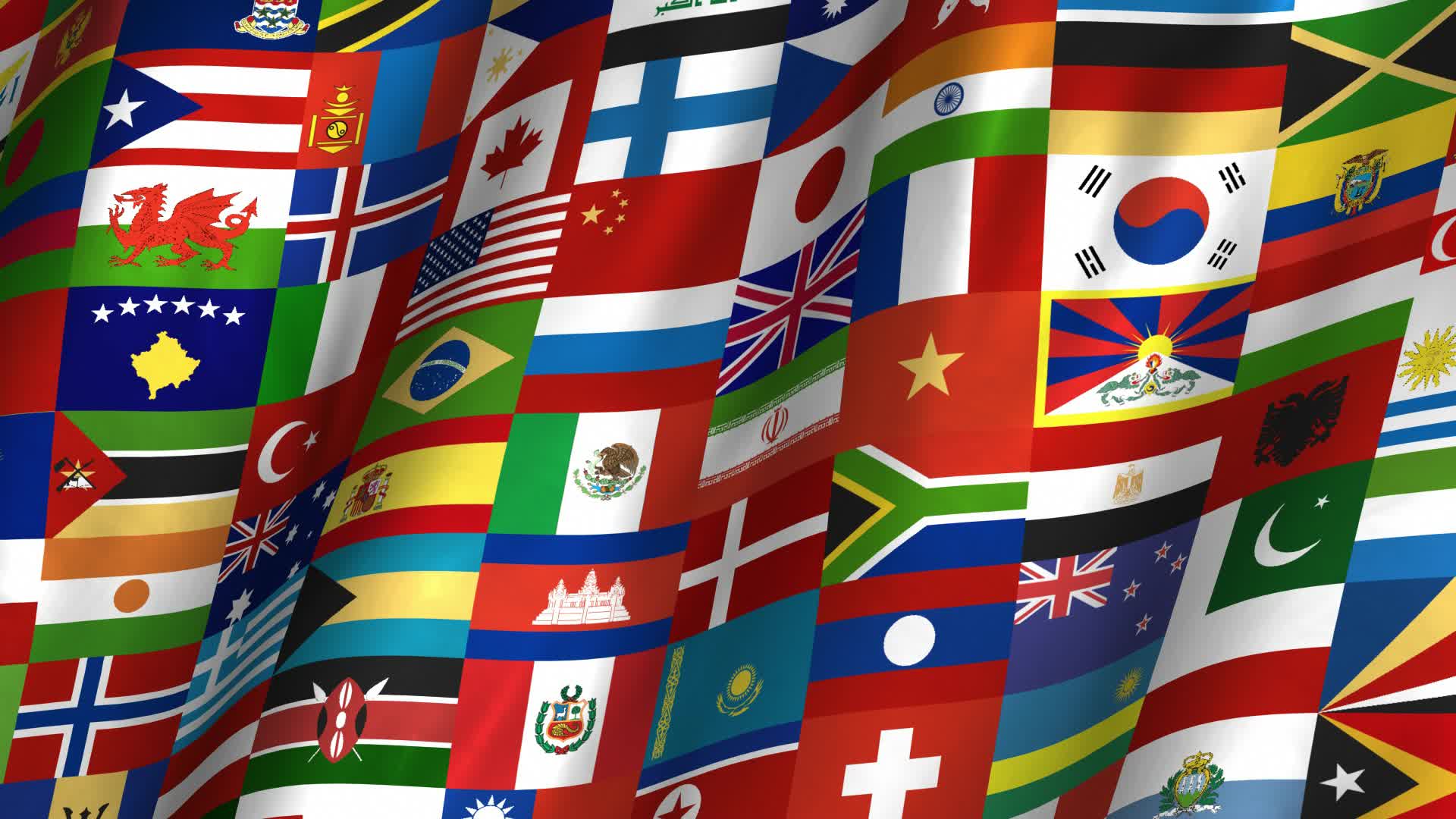
Examining Commonwealth country flags reveals a fascinating mix of shared British colonial history and newly asserted independent national identities. From the Union Jack elements remaining in certain Pacific banners to bold tricolours representing African sovereignty, these designs map out decades of constitutional evolution. Understanding how these 54 flags interconnect requires looking past simple visual aesthetics into the specific heraldic choices made by each member state.
Vexillologists and political historians often study these banners to track how nations signal independence while maintaining multilateral ties. While the modern Commonwealth includes republics and nations with zero historical ties to the British Empire, the flags of long-standing members carry deep historical context. Let's break down the core patterns, design shifts, and symbolic roots driving these national emblems.
Historical Evolution of Commonwealth Banners
The visual language of the Commonwealth changed dramatically over the 20th century. When nations transitioned from colonies to dominions and eventually to fully independent republics or realms, their flags transformed accordingly. Early independence movements frequently discarded British Blue or Red Ensigns, opting instead for entirely native palettes.
For instance, Ghana's adoption of the pan-African colours in 1957 set a precedent for many African nations joining the association later. Meanwhile, realms like Canada famously replaced the Canadian Red Ensign with the Maple Leaf flag in 1965, establishing a distinct visual identity on the global stage.
- The British Ensigns: Early members often retained modified Blue Ensigns featuring local coats of arms or badges.
- The Pan-African Influence: Red, gold, green, and black became staples for African member states, symbolizing blood, wealth, forests, and the people.
- Indigenous Motifs: Later redesigns and modern adaptations increasingly incorporated native art, local flora, and regional constellations.
Categorizing the Design Patterns
With dozens of nations spanning every continent, grouping these banners helps make sense of their visual variety. Most national flags within the association fall into three broad design categories.
Flags with Direct British Heraldic Roots
Several member states retain explicit nods to British maritime and constitutional history. Australia and New Zealand both feature the Union Jack in the canton alongside the Southern Cross constellation. However, subtle differences matter. Australia's stars feature seven points representing its states and territories, while New Zealand uses four red stars with white borders to denote the clearer stars of the asterism. Fiji and Tuvalu similarly maintain historical elements, though ongoing public debates in these regions frequently revisit whether to update these symbols for contemporary generations.
Bold Tricolours and Pan-African Palettes
A significant portion of the association consists of African and Caribbean nations that chose vibrant tricolours or vertical stripes. Kenya's flag combines black, red, and green horizontal fields separated by white stripes, centered around a traditional Maasai shield and two spears. This design directly communicates defense of freedom and the bloodshed of the independence struggle. Similarly, Uganda utilizes alternating black, yellow, and red bands featuring a central crested crane, representing the nation's ethnicity, sunshine, and fraternity.
Unique Cultural and Geographical Emblems
Many members utilize completely independent iconography rooted strictly in local geography and mythology. Canada's red maple leaf represents national unity and Canadian heritage without historical crown motifs. Sri Lanka's complex flag features a golden lion holding a sword, surrounded by four bo leaves, flanked by saffron and maroon vertical stripes representing minority religious communities and national identity.
Common Misconceptions About Commonwealth Flags
A frequent point of confusion involves the official flag of the Commonwealth of Nations itself. Many observers mistake individual member banners or the Royal Standard for the flag representing the organization as a whole.
The official Commonwealth flag features a gold globe surrounded by radiating spearheads on a blue field. Commissioned in the 1970s and redesigned in 2013 to reduce the number of rays from 64 to 34, this flag flies permanently at Marlborough House in London and during high-level summits. It does not represent any single government or monarchy; instead, it symbolizes global cooperation among independent equals.
Another misconception is that all member flags must adhere to specific proportions. While standard international flags often use 2:3 or 1:2 ratios, Commonwealth flags vary wildly based on local legislative choices, ranging from Nepal's non-rectangular shape to unique dimensions used by Caribbean islands.
Frequently Asked Questions
Do all Commonwealth countries have the Union Jack on their flags?
No. Only a small fraction of member states—primarily realms like Australia, Tuvalu, and Fiji—incorporate the Union Jack. The vast majority of the 54 nations use completely independent designs that bear no colonial heraldic markers.
Why did the official Commonwealth flag change its design?
The Secretariat updated the flag to modernize its appearance. The redesign tilted the central globe to create a more dynamic look and reduced the radiating sunrays from 64 to 34, streamlining the visual elements for digital and physical display.
Is the British monarch featured on any member flags?
While the monarch serves as the symbolic head of the association, individual national flags do not feature the sovereign's likeness. Specific Royal Standards exist for use by the monarch when visiting individual realms, but these are distinct from national flags.
How many member countries are republics versus monarchies?
The association accommodates diverse political systems. It includes constitutional monarchies that recognize the British crown, countries with their own native monarchies (such as Eswatini and Lesotho), and a large majority of republics that operate entirely under independent presidential or parliamentary systems.