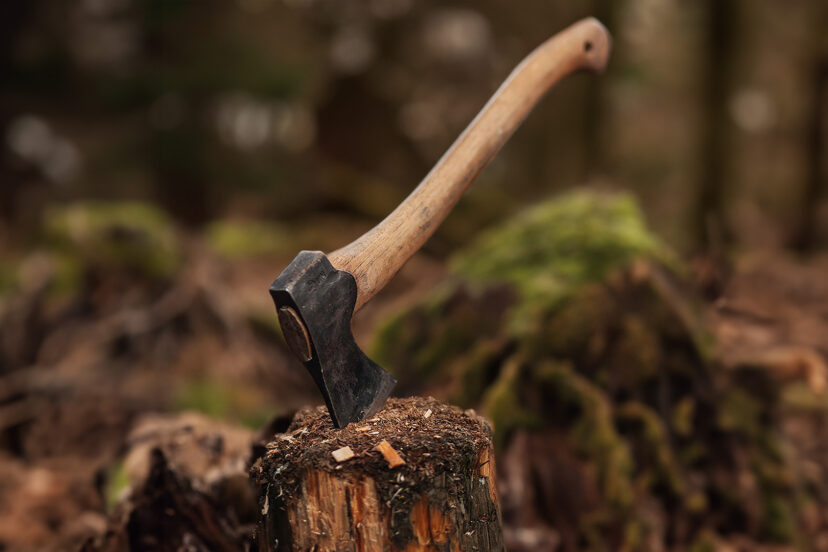
The revival of handcrafted woodworking brings a fresh focus to artisans who honor traditional joinery while embracing contemporary aesthetics. Among those drawing attention is Donov, a maker whose workshop bridges classic techniques with modern spatial design. While online curiosity often links names like Charisma Carpenters and familial lookalike rumors, the real story lies in the tangible work happening at the workbench—where time-tested joinery meets clean, modern lines.
Understanding how traditional woodworking methods adapt to contemporary interior demands requires looking closely at materials, tools, and design philosophy. Modern clients don't just want vintage replicas; they want durable pieces that fit open-plan spaces and minimalist architecture without losing the soul of handcrafted art.
The Evolution of Handcrafted Woodworking
Traditional woodworking relied heavily on hand tools, regional timber sourcing, and generational apprenticeship models. Master makers spent decades perfecting dovetail joints, mortise-and-tenon connections, and shellac finishes. Today, artisans face a different landscape where efficiency often trumps patience.
Yet, a counter-movement values the slow, deliberate pace of hand-finished grain. Modern craftsmen incorporate power tools for initial dimensioning while reserving hand planes, chisels, and scrapers for the final fit and surface feel. This hybrid approach cuts production time without sacrificing the tactile quality that defines bespoke furniture.
- Material Honesty: Leaving natural imperfections, knots, and grain variations visible rather than masking them with heavy synthetic veneers.
- Structural Integrity: Relying on mechanical joinery rather than metal brackets or excessive hardware to ensure longevity.
- Ergonomic Proportion: Adjusting classical furniture dimensions to fit modern ceiling heights, compact urban spaces, and multi-use rooms.
Core Techniques: Bridging Tradition and Modern Flair
Balancing heritage methods with contemporary style involves specific design choices. A traditional dining table might feature heavy, ornate aprons and turned legs. A modern interpretation strips away the excess, relying on subtle bevels, floating tabletops, and exposed joinery as decorative elements.
Joinery as Art
Exposed joinery serves as both structural support and visual punctuation. Artisans often use contrasting wood species—such as walnut keys in white oak joints—to draw the eye to points of maximum stress. This transparency in construction builds trust with clients who want to see how a piece holds together.
Sustainable Sourcing and Reclaimed Hardwoods
Modern craft demands environmental accountability. Sourcing local windfalls, urban lumber salvage programs, and certified sustainable forestry operations ensures that each project leaves a minimal ecological footprint. Reclaimed beams from old barns or industrial structures offer tight growth rings and deep patinas that newly harvested timber simply cannot match. You can read more about sustainable forestry standards through the Forest Stewardship Council or explore wood preservation guidelines provided by the U.S. Forest Service.
Practical Steps for Commissioning Custom Woodwork
Working with a custom craftsman requires clear communication about expectations, timelines, and budgets. If you're planning to invest in a bespoke wooden centerpiece for your home, following a structured process ensures the final piece meets your exact needs.
- Define Function and Space: Measure your room carefully, accounting for doorways, traffic flow, and lighting conditions that highlight wood grain.
- Select the Right Wood Species: Choose domestic hardwoods like white oak, walnut, cherry, or maple based on hardness ratings (Janka scale) and color aging patterns.
- Review Joinery Samples: Ask the maker for physical corner samples or joinery mockups to evaluate finish texture and build quality before full production starts.
- Establish Maintenance Agreements: Understand how the chosen finish—whether hardwax oil, polyurethane, or soap finish—reacts to daily spills, heat, and seasonal humidity changes.
Common Mistakes in Modern Wood Design
Many amateur makers and poorly planned custom builds stumble when trying to force traditional designs into modern contexts. Avoiding these pitfalls ensures lasting quality.
- Ignoring Wood Movement: Wood expands and contracts across the grain with seasonal humidity shifts. Restricting this natural movement with rigid metal frames or poor fastening leads to cracked panels.
- Over-Finishing: Applying thick, glossy polyurethane layers that trap the wood under plastic, destroying the organic feel of the surface.
- Chasing Fads: Relying on trendy epoxy river pours or distressed factory finishes that age poorly compared to classic, clean-lined joinery.
Frequently Asked Questions
How do I maintain a hand-finished hardwood table?
Clean surfaces with a damp microfiber cloth and mild soap. Avoid harsh chemical cleaners. Depending on the finish, apply a fresh coat of maintenance oil or wax every 6 to 12 months to protect against moisture loss.
Why is custom woodwork more expensive than retail furniture?
Custom pieces involve single-batch sourcing, hours of hand-fitting joinery, and premium solid hardwoods rather than particle board or thin veneers. You're paying for structural longevity that often spans multiple generations.
How does wood movement affect furniture design?
Wood breathes as indoor humidity fluctuates between summer and winter. Expert makers design breadboard ends, slotted screw holes, and floating panels so the wood can expand and contract safely without splitting seams.
What is the difference between sapwood and heartwood?
Heartwood is the dense, darker inner core of the tree, prized for its stability and rich color. Sapwood is the outer, lighter layer responsible for nutrient transport; it is generally softer and more prone to moisture absorption unless treated.