When managing livestock, understanding how an electric goad functions is essential for both animal welfare and operator safety. Many handlers assume that higher electrical output equals better animal control, yet the relationship between voltage and amperage is far more nuanced. A cattle prod uses high voltage paired with extremely low amperage to deliver a brief, startling stimulus without causing lasting physical harm.
Selecting the right device requires looking past marketing claims and examining the actual electrical specifications. Safe operation depends on knowing how these currents interact with animal physiology, battery power capacities, and environmental conditions.
Understanding Voltage and Amperage in Livestock Tools
Electricity involves two primary measurements that dictate how a device performs: voltage and amperage.
- Voltage represents the electrical potential or pressure that pushes electricity through a circuit. In electric prods, high voltage is necessary to overcome the resistance of thick hides, hair, and dry skin.
- Amperage measures the actual volume or flow rate of electrical current moving through that circuit.
While a typical cattle prod can generate anywhere from 2,000 to over 5,000 volts of open-circuit potential, the amperage is restricted to milliamperes or microamperes. This tiny current is what keeps the device safe. High voltage without high amperage creates a startling sensation and muscle contraction, but it doesn't cause thermal burns or cardiac arrest under normal operating conditions.
How Electric Prods Affect Cattle Physiology
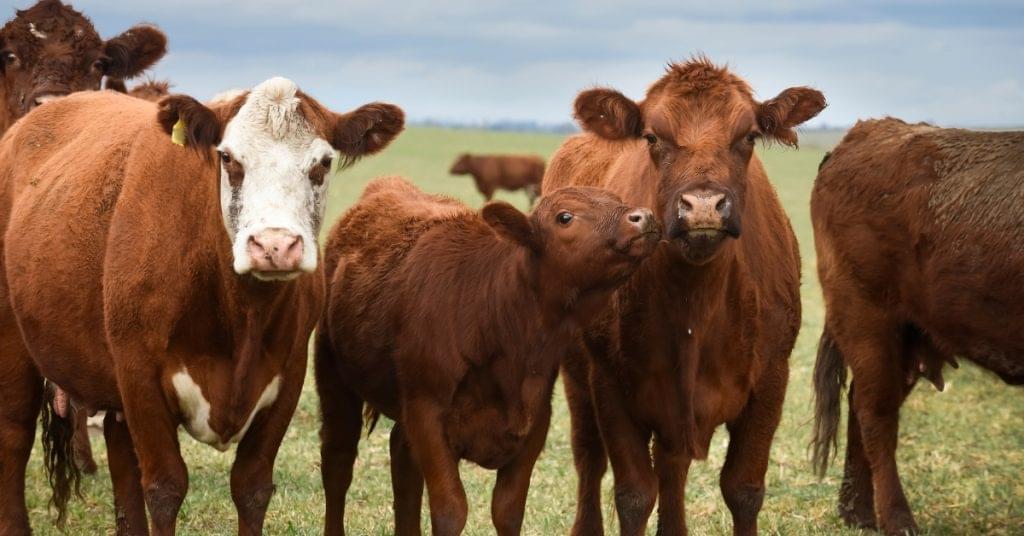
Cattle have thick hides and insulated hooves, which naturally resist electrical flow. When an electric prod touches an animal, the high voltage breaks through this surface resistance, allowing a minuscule current to stimulate the superficial nerve endings and muscle fibers.
This stimulation causes an immediate, involuntary muscle contraction, prompting the animal to move away from the pressure. Because the current duration is controlled by the operator and the internal circuitry limits continuous discharge, the physiological impact is temporary.
However, improper use causes acute stress. Using a prod on sensitive areas like the face, udder, or anal region inflicts unnecessary pain rather than guiding movement. Humane handling standards dictate that prods should only be used as a last resort on the hindquarters of stubborn animals when an escape route is completely open.
Key Factors to Evaluate Before Buying
Not all livestock prods are created equal. When comparing different models on the market, look closely at these operational characteristics:
- Power Source: Most modern handheld prods run on rechargeable battery packs or standard alkaline C or D cells. Rechargeable lithium-ion units offer consistent voltage output over time, whereas dying alkaline batteries lead to weak shocks that fail to move livestock, frustrating both the handler and the animal.
- Shaft Length and Material: Shafts vary from rigid fiberglass to flexible polycarbonate tubes ranging from 24 inches to over 72 inches. Longer shafts keep handlers at a safe distance from kicking back legs, while durable materials resist cracking in freezing temperatures.
- Solid-State Circuitry: Quality prods feature sealed, solid-state electronic blocks that protect internal components from moisture, manure, and dust. Unsealed circuits easily fail in humid barn environments.
- Safety Trigger Design: Accidental activation is a common hazard in busy livestock chutes. Look for models featuring a two-step activation process, such as a toggle safety switch combined with a push-button trigger.
Common Mistakes in Livestock Management
Using electric goads incorrectly reduces their effectiveness and increases animal stress. Avoiding these common errors improves overall yard efficiency:
- Overuse and Habituation: If cattle are shocked repeatedly, they become desensitized to the stimulus. Eventually, the prod stops working entirely, and animals simply crowd together or refuse to budge. Reserve prods strictly for stubborn refusals.
- Ignoring Environmental Resistance: Wet weather drastically changes how electricity interacts with an animal. In damp conditions, surface moisture lowers skin resistance, making the shock feel significantly more intense. Handlers should reduce contact time during rainy days.
- Failing to Maintain Equipment: Corroded battery terminals or cracked probe tips cause intermittent electrical output. A weak shock startles an animal unpredictably without providing clear directional guidance, leading to panic.
For broader guidelines on humane livestock handling and equipment standards, review the recommendations provided by the U.S. Department of Agriculture.
Frequently Asked Questions
Can a cattle prod kill a human or an animal?
While extremely painful, standard commercial livestock prods are designed with current limiters that keep amperage well below dangerous thresholds for healthy adult humans and large livestock. However, they can pose severe risks to individuals with pacemakers or underlying heart conditions.
Why do some prods make a loud buzzing sound without working?
The loud audible hum is usually generated by an internal transformer boosting the battery voltage. If the prod sounds active but fails to deliver a shock, the tips are likely fouled with dirt, manure, or moisture, creating a short circuit before the current reaches the animal.
How often should livestock prod batteries be recharged?
Rechargeable units should be charged according to the manufacturer's schedule, typically after a heavy day of processing cattle. Storing batteries in a fully discharged state degrades their chemical composition and permanently shortens their lifespan.
Are electric prods allowed in organic or certified humane farming?
Most animal welfare auditing programs and organic standards strictly restrict or ban the routine use of electric prods. Handlers are encouraged to use flags, paddles, sorting boards, and vocal cues to move livestock calmly through handling facilities.