Canada's demographic profile has entered an unexpected inflection point. After years of historic surges driven by international migration, growth rates have cooled significantly, shifting national policy and reshaping local economies. Official data pegs the total population near 41.8 million, but the speed of expansion has dropped to levels not seen in decades. Understanding these shifts requires looking past headline numbers to examine birth rates, temporary resident flows, and regional economic divides.
This deceleration marks a sharp break from the hyper-growth phase of the early 2020s. Policy adjustments by federal authorities, combined with an aging domestic baseline, mean that Canada's future growth will look fundamentally different. Here's a breakdown of the core trends driving these changes, the economic fallout, and what residents can expect next.
The Mechanics of Slowdown: Migration and Birth Rates
The primary engine of Canada's population change has always been international migration. During the post-pandemic recovery, record numbers of permanent and temporary residents arrived, pushing annual growth rates above three percent. By late 2025 and into 2026, those numbers reversed course. Stricter caps on study permits and work visas led to a notable contraction in non-permanent residents.
At the same time, natural population increase—births minus deaths—continues to shrink. Total fertility rates have hovered near historic lows, dipping below 1.3 children per woman. Because this sits well below the replacement level of 2.1, the country relies entirely on external arrivals to maintain workforce numbers. When those inflows taper off, overall growth stalls.
- Non-permanent resident shifts: Policy caps reduced the population of study and work permit holders, creating localized contractions in younger adult brackets.
- Ultra-low fertility: Consecutive years of declining birth rates mean fewer domestic entries into the school system over the coming decade.
- Natural deficit: In several provinces, deaths now outpace births on a quarterly basis, making immigration the sole driver of net positive growth.
Economic Realities and Workforce Pressures
A slower-growing population directly impacts gross domestic product and labour supply. For years, businesses relied on a steady influx of job seekers to fill vacancies in retail, hospitality, and healthcare. With fewer arrivals, employers in several sectors face persistent hiring constraints.
Conversely, housing markets feel immediate relief when migration slows. Rapid population surges previously outpaced municipal construction capacities, driving up rents and home prices. A tapering of non-permanent residents moderates baseline demand, giving urban planners breathing room to catch up on infrastructure.
- Labour market tightening: Retiring baby boomers are leaving vacancies that smaller younger cohorts struggle to fill.
- Housing demand adjustments: Slower growth cools intense buyer competition, though structural supply shortages keep affordability a central challenge.
- Public revenue shifts: A shrinking tax base relative to an aging population puts pressure on provincial healthcare budgets and pension systems.
According to the Bank of Canada, these structural adjustments alter consumption patterns and production capacity across the board. Businesses must adapt to an older consumer base that spends money differently than young families or students do.
Regional Discrepancies Across Provinces
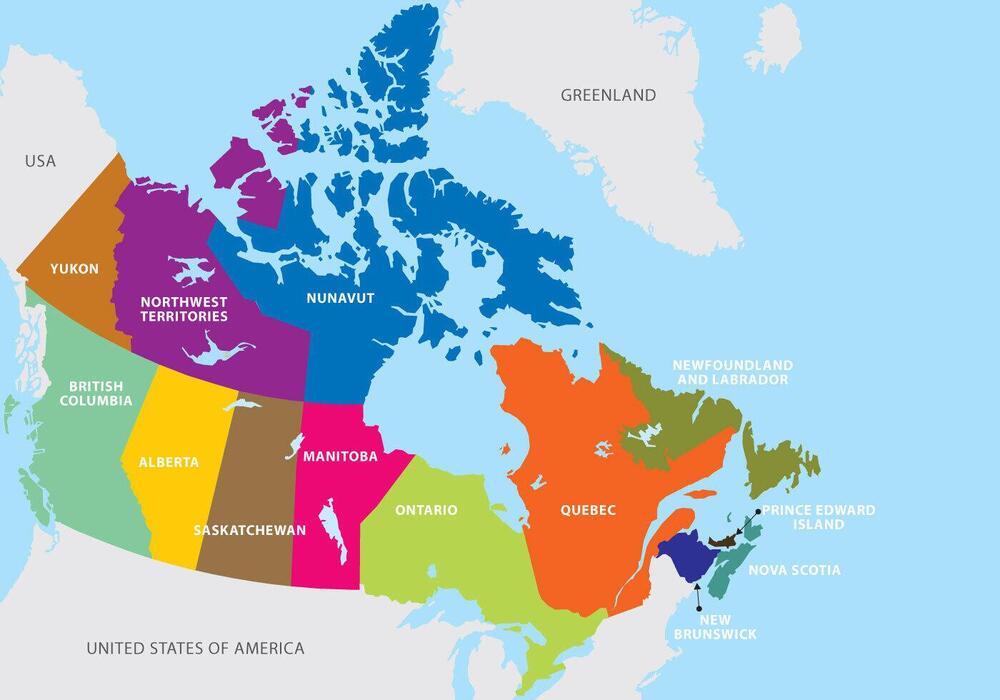
National averages mask wide variations between provinces and territories. While parts of Central and Atlantic Canada experience stabilization or minor pullbacks, Western Canada tells a different story.
Alberta continues to record the fastest population growth rate among provinces, fueled by interprovincial migration from Ontario and British Columbia. People chase relative housing affordability and expanding job markets in Calgary and Edmonton. Meanwhile, smaller territories and rural municipalities face acute labor shortages as younger workers migrate toward major economic hubs.
- Alberta's draw: Positive interprovincial migration keeps construction and energy sectors active.
- Quebec and British Columbia: Slower overall inflows mirror national deceleration trends.
- Northern communities: Retention challenges persist as aging populations outnumber incoming professionals.
Detailed provincial breakdowns are regularly updated through Statistics Canada, providing municipal planners with the granular data needed to track local service demands.
Common Demographic Misconceptions
When analyzing national growth figures, commentators often repeat common errors that distort reality. Recognizing these pitfalls helps provide an accurate picture of the country's trajectory.
- Assuming population decline means absolute shrinkage: A growth rate of 0.5 percent still means the total population expands; it simply grows much slower than before.
- Treating all migration streams as identical: Permanent economic immigrants, international students, and asylum claimants have entirely different impacts on housing, services, and workforce participation.
- Ignoring the aging wave: The retirement of the baby boom generation affects productivity far more than short-term fluctuations in temporary visa programs.
Frequently Asked Questions
What is Canada's current population?
Official preliminary estimates place the total population at approximately 41.8 million residents.
Why did growth slow down so sharply?
Growth decelerated due to federal policy caps on temporary residents, reductions in study permits, and a long-term decline in fertility rates.
Are all provinces growing at the same rate?
No. While provinces like Alberta see steady gains from interprovincial migration, other regions experience flat growth or slight contractions due to demographic aging.
How does this affect the housing market?
Slower population growth reduces intense upward pressure on housing demand, though affordability remains complex due to existing construction bottlenecks and municipal zoning rules.



