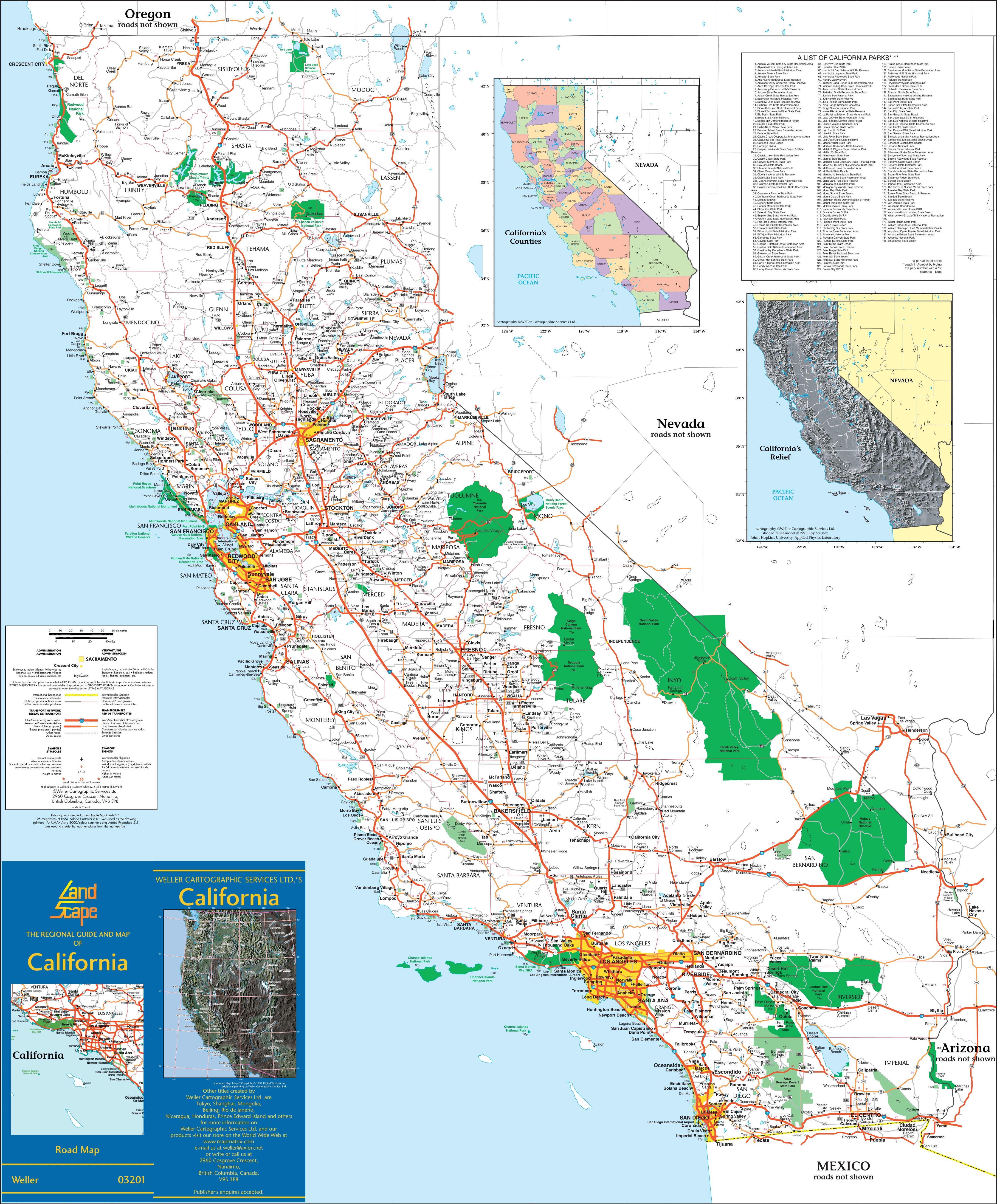
California ports handle nearly 40 percent of all containerized imports entering the United States, acting as the primary entry point for goods moving from Asia to American retail shelves and manufacturing centers. This maritime corridor anchors the national supply chain, processing millions of twenty-foot equivalent units annually through complex intermodal networks of rail, highway, and terminal infrastructure.
Operating the largest port complex in the Western Hemisphere requires balancing rapid cargo throughput with environmental mandates and labor stability. When trade volume spikes or supply chains bottleneck at the docks, the economic shockwaves ripple across the entire country, affecting manufacturing schedules, inventory costs, and consumer prices.
The Twin Ports: Los Angeles and Long Beach
The Port of Los Angeles and the Port of Long Beach form the San Pedro Bay port complex, handling the vast majority of California's maritime freight. While they operate under separate municipal managements and competing boards, their geographic proximity and shared infrastructure create an integrated economic engine.
The Port of Los Angeles covers over 7,500 acres of land and water with 43 miles of waterfront, serving as the busiest container port in the Western Hemisphere by cargo volume. Right next door, the Port of Long Beach manages roughly 3,200 acres with 22 shipping terminals. Together, they process over 18 million TEUs combined in peak years, relying on massive ship-to-shore gantry cranes capable of lifting multiple containers simultaneously.
- Terminal Operations: Specialized yards handle containerized cargo, bulk commodities, and break-bulk goods.
- Rail Integration: On-dock and near-dock rail yards connect ships directly to transcontinental freight lines operated by Union Pacific and BSF Railway.
- Gate Systems: Appointment-based truck queuing systems manage the flow of drayage trucks entering and exiting the harbor gates.
The Cargo Journey from Ship to Inland Distribution
Moving a container from the deck of a 1,300-foot container ship to an inland distribution center involves a precise sequence of handoffs. When a vessel berths, longshore workers operate high-speed cranes to discharge boxes onto terminal chassis or automated stacking cranes.
Drayage truckers then transport these containers off-terminal via designated freight corridors like the Interstate 710 freeway. Trucks move the freight to local warehouses in the Inland Empire region east of Los Angeles, or directly to intermodal rail yards where containers transfer onto double-stack freight trains heading toward Chicago, Dallas, and the Midwest.
Vessel Berthing -> Crane Discharge -> Terminal Staging -> Drayage Truck -> Intermodal Rail / Warehouse
Bottlenecks frequently occur when chassis availability drops, rail car supply tightens, or empty container returns overwhelm terminal storage yards. Maintaining fluidity requires constant digital communication between ocean carriers, terminal operators, and motor carriers via port community systems.
Economic Impact and Regional Supply Chains
The trade activity generated by California ports supports hundreds of thousands of jobs throughout the state and millions nationwide. According to the Port of Los Angeles Economic Impact Report, the harbor supports more than 130,000 direct jobs locally, including maritime clerks, dockworkers, tugboat pilots, and terminal operators.
Beyond the docks, the logistics cluster employs workers across warehousing, trucking, customs brokerage, and freight forwarding. The Inland Empire has emerged as one of North America's largest warehousing hubs due entirely to its proximity to the San Pedro Bay ports.
- Consumer Goods: Electronics, apparel, toys, and home furnishings arriving from manufacturing hubs in China, Vietnam, and South Korea.
- Industrial Inputs: Raw materials, electronic components, and machinery parts essential for American assembly lines.
- Agricultural Exports: California agricultural products, including almonds, dairy, and citrus, fill outbound containers heading back to Asian markets.
Environmental Regulations and Zero-Emission Mandates
Maritime shipping and port operations are major sources of regional air pollution, prompting strict environmental policies enforced by the state. The San Pedro Bay Clean Air Action Plan sets aggressive benchmarks for reducing diesel particulate matter, nitrogen oxides, and greenhouse gas emissions.
Terminals have invested heavily in shore power systems, which allow docked container ships to shut down their auxiliary diesel engines and plug into the local electrical grid. Additionally, clean truck programs charge fees on older diesel-powered drayage vehicles while incentivizing fleet operators to adopt zero-emission battery-electric and hydrogen fuel-cell trucks.
For instance, the California Air Resources Board mandates that all drayage trucks operating in the state transition to zero-emission technology by 2035, fundamentally transforming port logistics equipment.
Automation and Technological Modernization
To handle growing cargo volumes without expanding physical acreage, terminals increasingly deploy automated stacking cranes, automated guided vehicles, and digital logistics platforms. Automated systems move containers from the docks to storage yards without human operators, increasing terminal density and reducing dwell times.
These technological upgrades often spark labor negotiations between terminal operators and the International Longshore and Warehouse Union. Balancing efficiency gains with workforce stability remains a central operational challenge for port leadership as global shipping volumes continue to scale.
Frequently Asked Questions
Why are the Ports of Los Angeles and Long Beach so important?
They process nearly 40 percent of all U.S. containerized imports, providing the fastest maritime route from Asian manufacturing centers to American consumer markets.
What is a TEU in shipping?
A TEU stands for twenty-foot equivalent unit, a standard measure used in the shipping industry to describe the capacity of container ships and terminals based on a 20-foot long container.
How do California ports handle environmental pollution?
Ports utilize shore power for docked ships, enforce clean truck programs to phase out diesel drayage fleets, and electrify cargo-handling equipment on terminal yards.
Where do cargo containers go after leaving the ports?
Most containers move via drayage trucks to regional warehouses in the Inland Empire or directly to intermodal rail yards for cross-country freight delivery.



