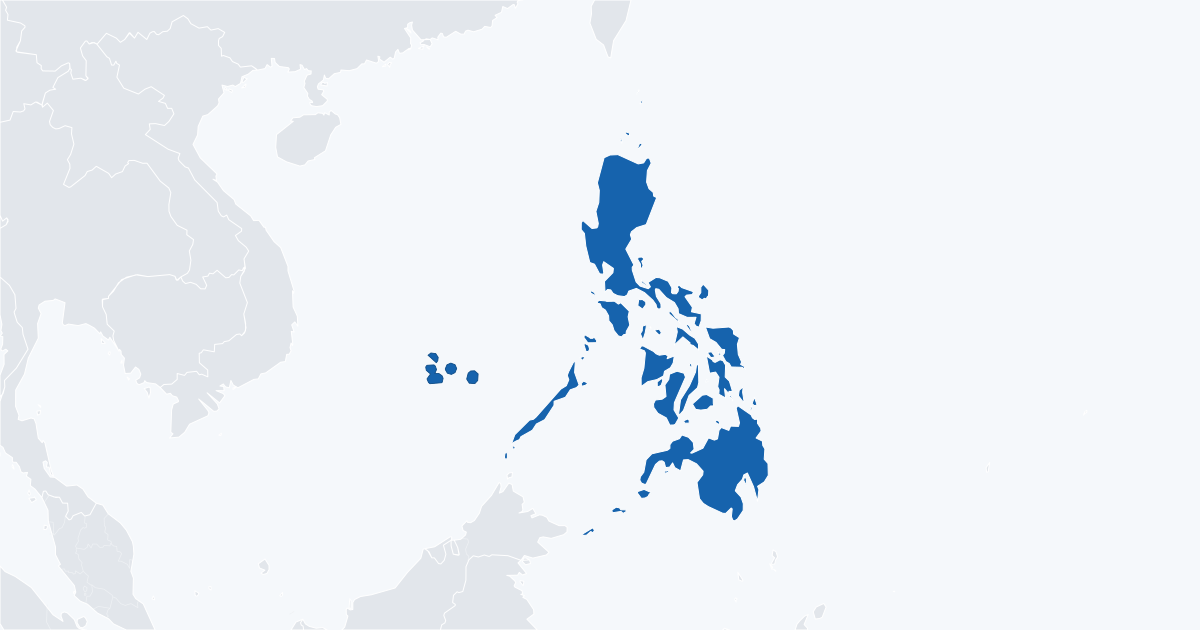
The Philippines operates on a single national time zone known as Philippine Standard Time (PST) or Philippine Time (PHT), which sits firmly at UTC+8. Unlike larger landmasses that span multiple longitudinal slices, this archipelago keeps uniform time from the northern tip of Luzon down to the southernmost islands of Mindanao. Because it stays fixed on UTC+8 year-round, it doesn't observe daylight saving time, making math predictable for international project managers, remote teams, and global businesses.
Coordinated Universal Time serves as the world's primary time standard, meaning the Philippines is consistently 8 hours ahead of UTC or Greenwich Mean Time. If it's 12:00 PM (noon) in London during standard time, it's already 8:00 PM in Manila. Understanding this singular offset helps eliminate scheduling friction when you're booking cross-border meetings, coordinating software deployments, or managing distributed workforce schedules.
Why the Philippines Maintains a Single Time Zone
Geographically, the country spans enough longitude that it could theoretically cross into two separate zones. However, keeping a unified national clock simplifies governance, transport schedules, banking hours, and telecommunications.
The Philippine Atmospheric, Geophysical and Astronomical Services Administration, commonly known as PAGASA, officially maintains and manages the country's standard time. In 2012, the government synchronized national timekeeping using an accurate atomic clock to ensure that broadcast networks, government offices, and commercial enterprises operate on the exact same second.
Absence of Daylight Saving Time
Many regions adjust their clocks forward in spring and backward in autumn to maximize daylight. The Philippines doesn't do this.
- Proximity to the Equator: Tropical countries experience minimal variation in daylight hours between summer and winter. Shifting clocks forward or backward provides very little practical benefit.
- Predictable Scheduling: Business partners don't need to track seasonal shifts or worry about the exact week daylight saving time starts or ends in North America or Europe. The eight-hour gap to GMT or the shifting offsets to the Americas remain consistent, though North American daylight saving changes will alter your local math by one hour twice a year.
Global Time Differences and Coordination
Working with teams in Manila or regional hubs like Cebu and Davao requires understanding how UTC+8 aligns with major economic centers. Because the offset never changes locally, you can build permanent recurring calendar slots.
- North American East Coast (EST/EDT): The Philippines is 12 to 13 hours ahead of New York. When it's 9:00 AM on a Tuesday in New York, it's 9:00 PM or 10:00 PM on the same Tuesday in Manila.
- North American West Coast (PST/PDT): The gap widens to 15 to 16 hours ahead of Los Angeles. A Friday 5:00 PM call in California lands on Saturday morning at 8:00 AM or 9:00 AM in the Philippines.
- Western Europe (GMT/BST): London is 8 hours behind Manila during standard time. A standard 9:00 AM workday start in London matches 5:00 PM in Manila, offering a narrow window for late-afternoon syncs.
- Asia-Pacific Neighbors: The Philippines shares UTC+8 with Singapore, Malaysia, Western Australia, and China. This creates a massive, seamless economic zone across Southeast Asia and East Asia with zero time gap for regional operations.
Managing Asynchronous Workflows Across UTC+8
When teams are separated by 12 to 16 hours, overlapping working hours shrink to a tiny window. Relying on live meetings for every decision leads to burnout or stalled projects. Successful cross-border collaboration requires deliberate structural adjustments.
Establish Hand-Off Protocols
Instead of waiting for live real-time answers, write comprehensive update briefs at the end of your local workday. When your Western or European shift ends, the Philippine team logs on, reads the progress reports, reviews code or copy, and executes tasks while you sleep. You wake up to completed deliverables.
Protect the Overlap Window
If you must hold live syncs, identify the sweet spot. For US East Coast teams and Philippine teams, early morning in North America (around 7:00 AM to 9:00 AM EST) corresponds to evening in Manila (7:00 PM to 9:00 PM). Booking recurring check-ins during these narrow bands keeps collaboration healthy without forcing anyone to work through the middle of the night.
Document Everything in Writing
Avoid verbal decisions made in quick chats if teammates from other zones aren't present. Keep project management tools like Trello or Jira updated with clear acceptance criteria so remote specialists can proceed autonomously.
Common Scheduling Pitfalls to Avoid
- Forgetting North American Time Shifts: Even though the Philippines doesn't observe daylight saving time, the United States and Canada do. This means the time difference between New York and Manila shifts by one hour twice a year. Always check your calendar tool's timezone settings rather than relying on mental math.
- Assuming 24/7 Availability Means 24/7 Live Chat: While offshore setups enable round-the-clock output, individual employees still work standard shifts. Don't expect instant replies to Slack messages sent at 3:00 AM local Manila time unless an explicit on-call rotation is active.
- Ignoring Local Holidays: The Philippines observes a distinct set of regular and special non-working holidays, including local fiestas and nationwide observances like Holy Week. Cross-reference local holiday calendars before locking in critical project deadlines.
Frequently Asked Questions
Does the Philippines have more than one time zone?
No. The entire country uses Philippine Standard Time (UTC+8), ensuring uniform timekeeping nationwide.
Why do some online tools list different abbreviations like PHT or PST?
PHT stands for Philippine Time, while PST sometimes refers to Philippine Standard Time (though it can also mean Pacific Standard Time in North America). Both refer to the exact same UTC+8 offset.
How do I schedule a meeting between London and Manila?
During British GMT, Manila is exactly 8 hours ahead. A 10:00 AM meeting in London is 6:00 PM in Manila. When the UK shifts to British Summer Time (BST), the gap narrows to 7 hours.
Does the Philippines observe daylight saving time?
No, daylight saving time is not observed anywhere in the country because its tropical location provides consistent daylight hours year-round.



