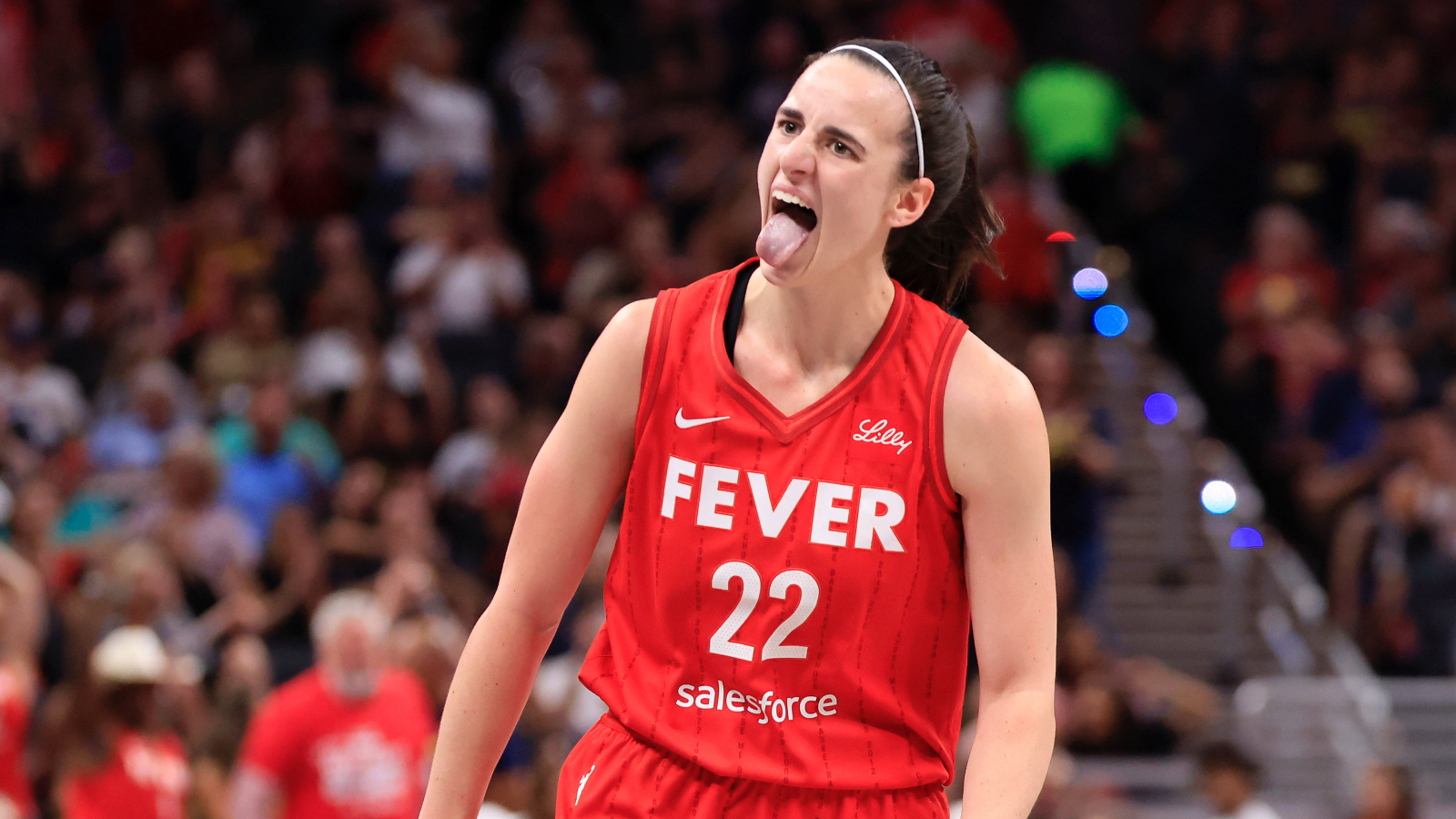
When Caitlin Clark stepped onto the court at Iowa, women's basketball operated in a quieter corner of the sports ecosystem. By the time she transitioned to the Indiana Fever, she had completely rewired the economics, television viewership, and cultural footprint of the sport. This shift wasn't just a byproduct of casual curiosity; it was forged by historical range, aggressive offensive output, and an unyielding competitive presence that forced national media to take notice.
Understanding how Clark altered the landscape requires looking past surface-level hype. Her influence spans record-shattering broadcast metrics, structural changes in how sports leagues market female athletes, and a permanent elevation of expectations for women's professional sports.
The Mechanics of Range: Transforming the Offensive Blueprint
Long before she broke the NCAA Division I all-time scoring record, Clark altered defensive strategies across the country. Traditional basketball orthodoxy dictated that perimeter pressure stopped at the three-point line. Clark pushed that boundary outward by five to ten feet, routinely pulling up from the logo.
This deep-range shooting created massive structural changes for floor spacing:
- Defensive Gravity: Opponents were forced to pick her up near half-court, stretching traditional zone and man-to-man defenses thinner than ever before.
- Playmaking Vision: Because defenders had to commit two players to her 30 feet from the basket, passing lanes opened up for teammates to cut freely toward the rim.
- Pace and Transition: Her ability grab a rebound and immediately throw a full-court outlet pass turned defense into instant offense at a historic clip.
This style of play injected a high-octane, video-game style aesthetic into the college game, attracting younger demographics who valued pace, space, and perimeter volume.
Shattering Television and Attendance Thresholds
The most quantifiable metric of Clark's impact is found in television ratings and ticket sales. Before her senior year at Iowa and subsequent entry into the WNBA, professional and collegiate women's games rarely cracked the million-viewer threshold on cable. Clark normalized multi-million viewer broadcasts nearly overnight.
During her final collegiate season, matchups routinely outdrew major men's sporting events. The 2024 NCAA Women's National Championship game brought in an astounding 18.9 million viewers, peaking even higher and outdrawing the men's title game for the first time in history.
When she moved to the WNBA, that momentum transferred directly:
- The Draft Effect: The 2024 WNBA Draft averaged 2.45 million viewers, obliterating previous records.
- Road Attendance: Opposing teams routinely moved games to larger NBA-sized arenas to accommodate the massive surge in ticket demand.
- franchise Valuations: Merchandising, corporate sponsorships, and charter flight investments across the league surged as direct collateral of heightened national interest.
For deeper context on how media rights and league economics have adapted, read the WNBA official site.
Shifting Cultural Perceptions and Media Coverage
For decades, analysts criticized sports networks for under-investing in women's athletics, citing a lack of broad market appeal. Clark's ascent dismantled that narrative with cold data. Sports networks could no longer treat women's basketball as a secondary inventory item.
The conversation shifted from charitable support—supporting women's sports because it's the right thing to do—to pure economic value. Brands scrambled to sign major endorsement deals, and broadcast partners realized that prime-time slots generated immediate commercial returns. This cultural pivot opened doors for an entire rookie class and veteran core, lifting the profile of the league as a whole rather than relying on a single individual.
To explore historical milestones and athletic achievements in detail, check out the Naismith Basketball Hall of Fame.
Common Misconceptions About the Surge
Whenever a sport experiences explosive, rapid growth driven by one figure, misconceptions follow. Critics often reduce the phenomenon to a passing trend or argue that it benefits only one team.
The reality is more complex. While the Indiana Fever experienced historic home and away attendance spikes, the rising tide lifted overall league engagement. Casual fans tuning in to watch specific matchups stayed to watch rival stars like A'ja Wilson, Napheesa Collier, and Sabrina Ionescu. The challenge for sports executives isn't manufacturing another Caitlin Clark—which is statistically improbable—but retaining the millions of new viewers who discovered the league through her games.
Frequently Asked Questions
What records did Caitlin Clark break in college?
She surpassed Pete Maravich to become the NCAA Division I all-time leading scorer across both men's and women's basketball. She also set multiple single-season and tournament records for three-pointers and total points.
How did Caitlin Clark impact WNBA television ratings?
Her debut games and regular-season matchups routinely broke cable and broadcast viewing records that had stood for over two decades, pushing viewership averages well past the one-million mark for featured games.
Did her presence affect attendance for other WNBA teams?
Yes. Opposing franchises frequently moved games to larger NBA-scale venues to handle ticket demand when hosting the Indiana Fever, resulting in record-breaking gate receipts across the league.
What makes her playing style unique?
Her combination of deep-range shooting extending well beyond the standard three-point arc and elite court vision allowed her to function simultaneously as a primary scorer and a high-volume playmaker.



