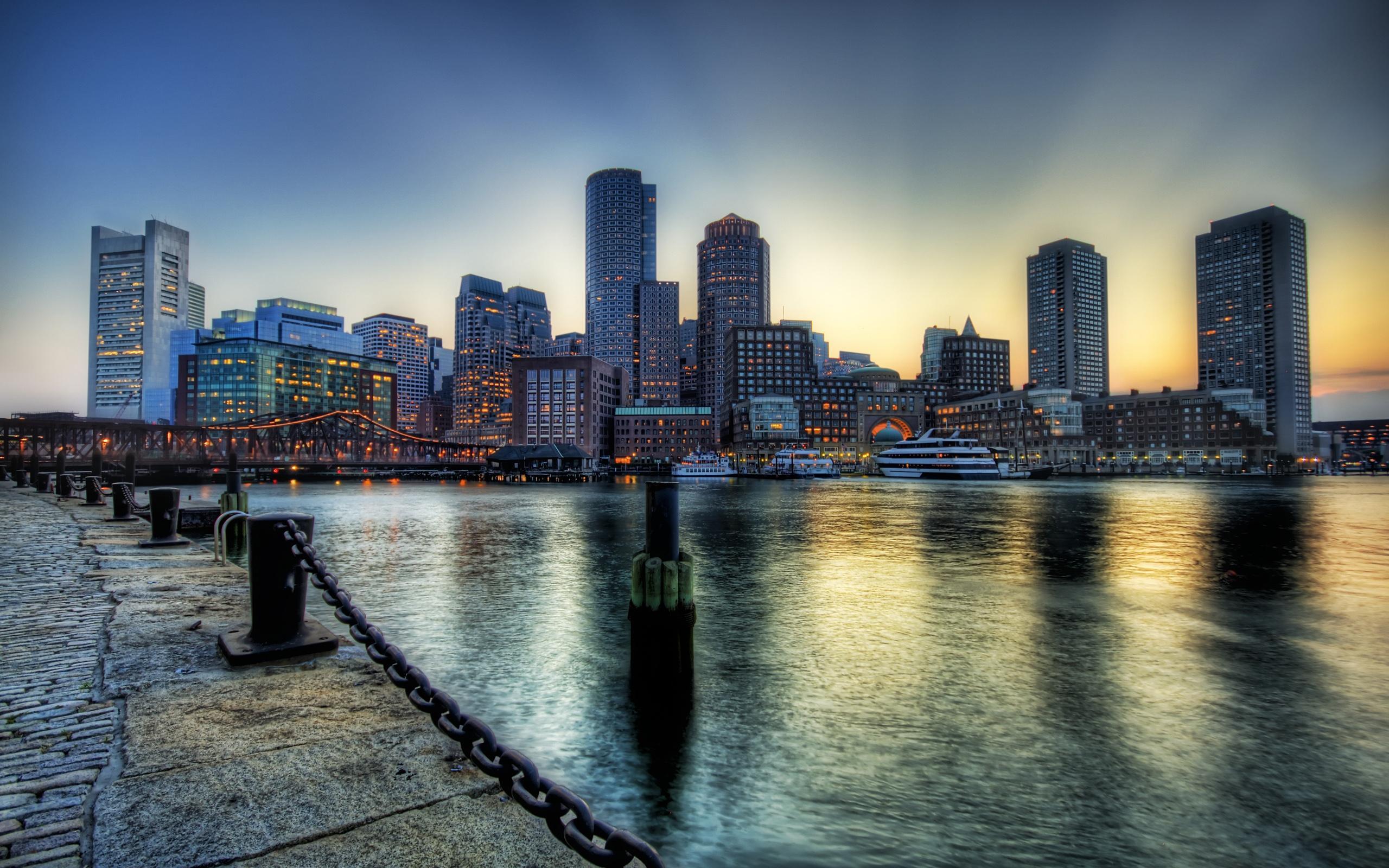
The Boston Port Act was a punitive measure passed by the British Parliament in March 1774 to shut down all commercial shipping in Boston Harbor. Designed as direct retaliation for the Boston Tea Party, the legislation aimed to isolate Massachusetts and force the colony to pay for the destroyed East India Company tea. Instead of subduing the local population, the blockade galvanized the Thirteen Colonies, united disparate regions against Crown policies, and accelerated the march toward the American Revolutionary War.
Understanding this legislation requires looking past the broad outlines of the American Revolution and examining how economic strangulation backfired on the British Empire. This piece explores the precise mechanisms of the act, its immediate economic toll on ordinary citizens, and how it catalyzed continental resistance.
The Spark: Retaliation for the Tea Party
By late 1773, tensions between Great Britain and its North American colonies had reached a boiling point over taxation without representation. On December 16, 1773, a group of artisans and merchants calling themselves the Sons of Liberty boarded three ships owned by the East India Company and dumped 342 chests of tea into Boston Harbor.
News of the destruction stunned and angered British officials in London. King George III and Prime Minister Lord North decided that symbolic reprimands were no longer enough; they needed to make an example of Massachusetts. Parliament introduced the Boston Port Bill in March 1774 as the first of four punitive statutes that colonists soon dubbed the Intolerable Acts.
Core Provisions of the Legislation
The text of the act was uncompromising. It imposed strict conditions that Boston had to meet before commercial life could resume.
- Total Commercial Embargo: Effective June 1, 1774, no ships were permitted to load or unload goods in the port of Boston. This applied to foreign trade as well as coastal shipping.
- The Financial Demand: The harbor would remain closed until the town of Boston and local merchants paid full restitution to the East India Company for the ruined tea, alongside compensation to the Crown for lost customs duties.
- Relocation of Capital: The act also moved the seat of the Massachusetts colonial government from Boston to the safer, more loyal town of Salem.
- Arbitrary Enforcement: The British Navy deployed warships to blockade the harbor entrance, turning a commercial hub into an occupied maritime zone.
You can read more about the broader legislative package at the Library of Congress.
Economic Devastation on the Ground
For ordinary Bostonians, the closure of the harbor wasn't just a political crisis—it was an immediate threat to survival. Boston was a maritime city; shipbuilders, dockworkers, sailors, coopers, and merchants relied entirely on daily harbor activity for income.
Overnight, work stopped. Food and firewood prices skyrocketed as supplies had to be hauled overland rather than delivered directly via ships. Yet, rather than fracturing local resolve, the crisis fostered profound solidarity. Neighboring towns and other colonies rushed cattle, grain, and money overland to sustain Boston through the blockade. South Carolina sent rice, while Connecticut and Pennsylvania dispatched provisions, transforming a local siege into a shared colonial cause.
The Broader Legislative Package: The Coercive Acts
The port bill was only the opening salvo. Parliament quickly followed it with three additional laws designed to suppress dissent in Massachusetts:
- The Massachusetts Government Act: Abolished the colony's elected council and replaced it with a crown-appointed body, effectively ending local self-rule.
- The Administration of Justice Act: Allowed royal officials accused of capital crimes while enforcing laws in Massachusetts to be tried in Great Britain or another colony, shielding them from local juries.
- The Quartering Act: Empowered royal governors to house British troops in unoccupied buildings, barns, and empty houses when local barracks were insufficient.
Unintended Consequences: The Birth of Continental Unity
The strategy behind the legislation was divide and conquer. British policymakers assumed Massachusetts would stand alone, cower under military pressure, and apologize.
Instead, the act had the opposite effect. Colonial leaders realized that if Boston's charter and commerce could be wiped out by parliamentary decree, no colony was safe. This shared vulnerability catalyzed the creation of the First Continental Congress, which met in Philadelphia in September 1774. Delegates from twelve colonies gathered to coordinate a unified economic boycott of British goods and draft formal grievances, laying the institutional groundwork for a national government.
For official historical collections and documents regarding this era, visit the National Archives.
Frequently Asked Questions
Did Boston ever pay back the money for the tea?
No. The town of Boston and its merchants refused to pay the indemnity demanded by the Crown. The harbor remained legally blockaded until British authority collapsed entirely in the region with the outbreak of war in 1775.
How long was the port of Boston actually closed?
The blockade began on June 1, 1774, and effectively lasted until British forces evacuated the city in March 1776, though royal authority was functionally broken much earlier.
Were other American ports targeted by this specific act?
No. The legislation targeted Boston exclusively as direct punishment for the tea dumping incident. However, other ports willingly joined the resistance by signing non-importation agreements.
How did the act influence the Declaration of Independence?
By demonstrating what colonists viewed as unconstitutional overreach by Parliament, the act hardened ideological lines. It forced moderates to choose between submission to crown authority and open rebellion, directly influencing the arguments later codified in the Declaration of Independence.
When Boston Was Closed: Ordinary Bostonians and the Intolerable Acts
This lecture explores how ordinary citizens in Boston coped with the sudden loss of ship traffic and economic livelihood following the implementation of the port blockade.



