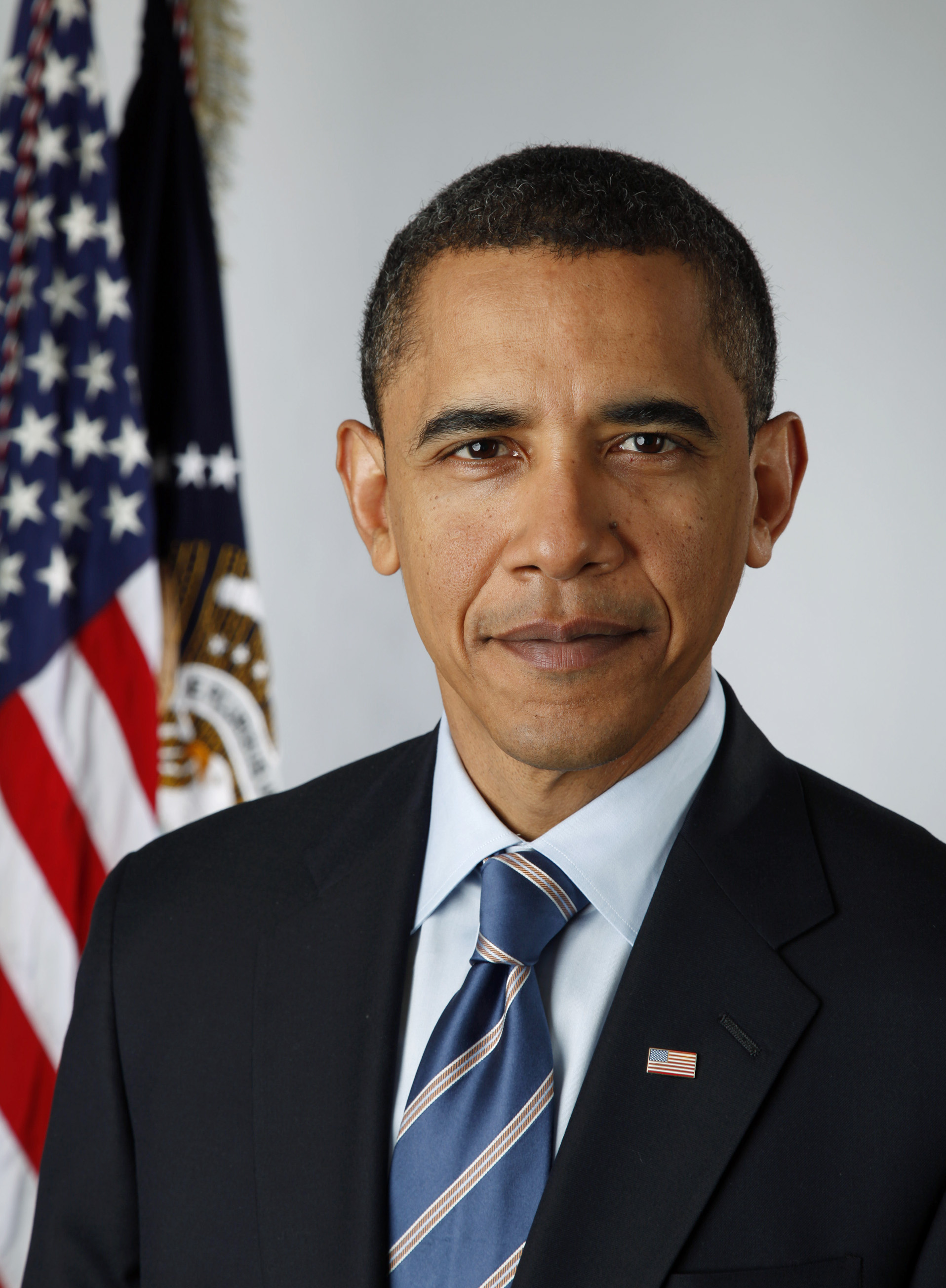
In 1965, Lyndon B. Johnson was the president of the United States. He served as the 36th president from November 1963 to January 1969, stepping into the Oval Office following the assassination of John F. Kennedy and winning election to a full term in his own right in November 1964. By 1965, Johnson stood at the center of American power during one of the most volatile and legislative-heavy periods of the twentieth century.
While the basic question of who held office is straightforward, the context of 1965 tells a much deeper story. It was a year where sweeping domestic reforms collided with escalating foreign military commitments, permanently altering the trajectory of American politics, civil rights, and global standing.
The Political Landscape: How Johnson Reached the White House
Lyndon B. Johnson didn't enter the presidency through a traditional election in 1963. As JFK's vice president, he inherited an administration facing intense pressure over racial segregation, Cold War tensions, and economic inequality. When Johnson won the 1964 presidential election against Republican challenger Barry Goldwater in a historic landslide, he secured a massive Democratic majority in Congress.
This political capital gave him the momentum he needed entering 1965. Johnson understood congressional mechanics better than almost any modern politician. Having spent over two decades in the House and Senate—including years as Senate Majority Leader—he used his infamous "Johnson Treatment," a blend of intense personal intimidation, flattery, and arm-twisting, to whip votes.
By January 1965, he was ready to enact a domestic agenda he called the Great Society, aiming to eliminate poverty and racial injustice.
Landmark Legislation of 1965
The legislative output of the Johnson administration in 1965 remains staggering by any historical standard. Congress passed dozens of major bills, but two particular statutes fundamentally reshaped American society.
The Voting Rights Act of 1965
Signed into law on August 6, 1965, the Voting Rights Act outlawed the discriminatory voting practices adopted in many southern states after the Civil War, such as literacy tests. The catalyst for this legislation was the brutal violence directed at civil rights marchers in Selma, Alabama, earlier that year.
Television broadcasts of state troopers beating peaceful marchers on the Edmund Pettus Bridge shocked the nation. Johnson responded with moral clarity, addressing a joint session of Congress and adopting the anthem of the movement with the famous phrase, "We shall overcome." The law authorized federal examiners to register voters in jurisdictions that used tests or devices to deny suffrage, causing Black voter registration rates across the South to skyrocket within just a few years.
Medicare and Medicaid
On July 30, 1965, Johnson signed the Social Security Amendments of 1965 into law, creating Medicare and Medicaid. Before this legislation, millions of elderly and low-income Americans lacked health insurance or access to reliable medical care.
Medicare provided federal health insurance for Americans aged 65 and older, while Medicaid offered assistance to low-income individuals and families. These programs transformed the American healthcare landscape, lifting millions out of medical poverty and establishing a permanent federal safety net for health.
The Higher Education Act of 1965
Education was central to Johnson’s vision of upward mobility. The Higher Education Act provided major federal financial assistance for post-secondary education, including low-interest college loans, grants, and funding for university libraries and research facilities. It opened the doors of higher education to working-class and minority students who previously could not afford college tuition.
The Escalation of the Vietnam War
While domestic triumphs defined the first half of 1965, foreign policy increasingly consumed the administration. The war in Vietnam shifted from an advisory mission into a full-scale American conflict.
Following the Gulf of Tonkin Resolution in August 1964, Johnson authorized sustained bombing campaigns against North Vietnam (Operation Rolling Thunder) in early 1965. By the summer of that year, requests from military commanders like General William Westmoreland led Johnson to approve the deployment of large-scale ground combat troops. By the end of 1965, more than 180,000 U.S. troops were stationed in Vietnam, with casualties beginning to climb.
Johnson faced a bitter paradox. He feared that failing to stop communist expansion in Southeast Asia would damage American credibility globally, mirroring the lessons of appeasement from the 1930s. At the same time, he worried that a prolonged war would drain the financial resources needed for his Great Society domestic programs.
Internal administration memos from late 1965 reveal deep anxiety among advisors like Secretary of Defense Robert McNamara, who began questioning whether military victory was attainable without endless escalation. Meanwhile, the first major anti-war teach-ins and public protests broke out on college campuses across the country, signaling the fracture of domestic consensus.
Life in America in 1965
Beyond Capitol Hill and the jungles of Vietnam, everyday American life in 1965 was undergoing rapid cultural and technological shifts.
The post-World War II baby boom generation was entering adolescence and young adulthood, bringing youth culture to the forefront. Rock and roll music, spearheaded by British invasion bands and emerging American artists, dominated the airwaves. Television had become a fixture in nearly every household, broadcasting both the triumphs of the space race and the raw realities of urban riots and the civil rights struggle.
Economically, the country experienced steady growth, low unemployment, and low inflation. However, underlying racial tensions erupted in the summer of 1965 when the Watts riots broke out in Los Angeles, lasting six days and resulting in 34 deaths. The unrest demonstrated that civil rights legislation alone could not instantly cure the deep-seated poverty, housing discrimination, and police friction plaguing northern and western cities.
For a deeper dive into the legislative milestones of this era, you can explore the National Archives documentation on historic federal statutes.
Common Misconceptions About the Johnson Presidency
When examining the mid-1960s, history buffs and casual learners often encounter a few recurring myths:
- Myth: Johnson wanted the Vietnam War. In reality, Johnson privately dreaded the conflict, viewing it as a distraction from his domestic crusade against poverty. He famously remarked that he felt like a hitchhiker caught in a hailstorm, unable to run and too proud to cry.
- Myth: The Great Society only focused on civil rights. While civil rights laws were vital, the administration also funded public broadcasting, environmental conservation, consumer protection, and urban development.
- Myth: Johnson was universally unpopular during his 1964 landslide. While his popularity plummeted later in the decade due to Vietnam, his 1964 victory was one of the largest popular vote margins in American electoral history, driven by broad enthusiasm for progressive reform.
Frequently Asked Questions
Who was president before and after Lyndon B. Johnson?
John F. Kennedy was president immediately before Johnson, serving from January 1961 until his assassination on November 22, 1963. Richard Nixon succeeded Johnson, taking office on January 20, 1969, after winning the 1968 presidential election.
Why did Lyndon B. Johnson not run for re-election in 1968?
By early 1968, the staggering toll of the Vietnam War, fierce opposition from anti-war members of his own party (such as Eugene McCarthy and Robert F. Kennedy), and plummeting approval ratings damaged his political standing. On March 31, 1968, Johnson stunned the nation by announcing during a televised address that he would neither seek nor accept the nomination of his party for another term.
How many terms did Lyndon B. Johnson serve?
Johnson served one full elected term (1965–1969) and the remainder of John F. Kennedy's term (1963–1965). Because he assumed office with less than two years remaining in JFK's term, the 22nd Amendment allowed him to run for two full terms of his own, making him constitutionally eligible to run in 1968 despite having already served nearly five years.
What was the primary domestic policy goal of the Johnson administration?
The primary domestic initiative was the Great Society, a sweeping set of domestic programs designed to eliminate poverty and racial injustice in the United States. Key pillars included federal aid to education, attacks on disease, urban renewal, beautification projects, and the creation of Medicare and Medicaid.
To read official presidential papers and executive orders from this period, consult the Library of Congress digital collections.



