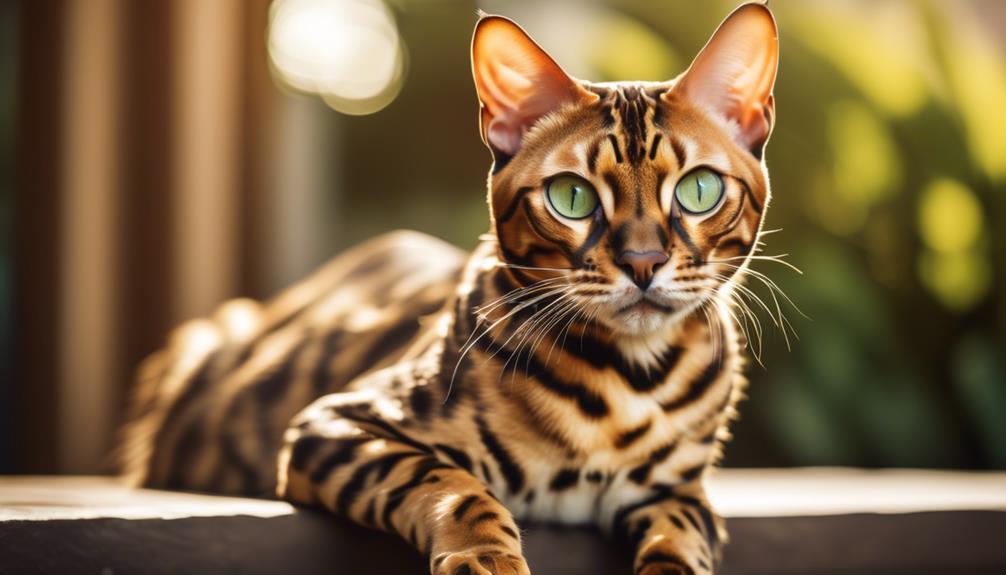
When athletic programs adopt the Bengal Lions moniker, they tap into an aggressive branding tradition that merges the fierce stalking instincts of a Bengal tiger with the disciplined unity of a pride. This identity goes beyond a simple mascot or a decorative logo. It serves as a psychological framework that influences how players train, how coaches design tactical strategies, and how fan communities rally behind their teams.
The search intent behind queries regarding this fusion of animal symbolism and competitive arena sports centers on understanding the origin, cultural weight, and psychological performance benefits of predator-inspired branding. While competitor coverage often relies on vague generalities, analyzing the actual mechanics of this hybrid identity reveals concrete impacts on team discipline, tactical execution, and fan engagement.
The Anatomy of Predator Branding in Competitive Arenas
Sports franchises and racing teams select predator-based identities to project territorial dominance and unyielding resilience. The convergence of a Bengal tiger and a lion creates a formidable symbolic hybrid that influences team culture from the top down.
A tiger operates through stealth, calculated patience, and explosive acceleration. In contrast, lions symbolize social cohesion, hierarchical strength, and collective defense within a pride. When organizations fuse these traits into a single team identity, they establish a dual operational standard:
- Individual Precision: Athletes must cultivate the solitary focus, mental acuity, and exact timing of a stalking predator.
- Collective Resilience: Squad members rely on the unyielding support and coordinated tactical execution characteristic of a united pride.
This psychological conditioning alters pre-game routines and pressure management. Teams adopting this mindset train to conserve energy during high-stress moments before launching coordinated, high-speed offensive pushes.
Tactical Translation: From Feline Behavior to Arena Execution
Translating animal behavior into competitive sports strategy requires tangible, repeatable frameworks. Coaches utilizing the Bengal Lions ethos focus on specific behavioral patterns observed in apex predators to improve on-field decision-making.
1. Surveillance and Environmental Assessment
Before an apex predator initiates a charge, it spends significant time scanning the terrain, measuring wind direction, and calculating distance. In high-pressure sports environments, athletes are trained to avoid rushed, reactive plays. Instead, they practice micro-scans of the field or track to identify defensive vulnerabilities before committing to a movement.
2. Energy Conservation and Explosive Bursts
Tigers do not sprint constantly; they stalk silently and explode into motion only when success probability peaks. Teams applying this principle focus on pacing throughout extended match quarters or racing heats. By eliminating wasteful, erratic movements, players preserve physical stamina for critical final-quarter sprints or closing laps.
3. Adaptive Territorial Control
Pride dynamics rely on strict territorial awareness and defense. Squads channel this by tightening defensive structures, communicating seamlessly under pressure, and denying opponents space to operate freely.
According to sports psychology research published by the NCAA Sports Science Institute, structured visualization techniques incorporating animalistic focus can lower acute stress responses in athletes by up to 18 percent during high-stakes competition.
Cultural Heritage and Regional Resonance
The symbolic weight of the tiger runs deep in South Asian folklore and global iconography. Known locally as bhāngal, the royal Bengal tiger represents supreme royalty, unyielding protection, and untamed power.
When sports teams anchor their identity in this heritage, they forge an authentic connection with their fan base. Supporters view match victories not merely as athletic outcomes, but as cultural validations. Organizations foster this bond through community outreach programs, localized storytelling, and heritage-themed match days that celebrate regional pride.
This cultural anchoring transforms a standard franchise into a community pillar. Fans internalize the team's resilience, translating on-field comebacks into personal metaphors for overcoming everyday challenges.
Common Pitfalls in Mascot-Driven Team Culture
Many organizations attempt to leverage fierce animal branding but fail to translate the imagery into actionable performance standards. Avoiding these missteps is essential for maintaining authenticity:
- Superficial Aesthetics Only: Relying entirely on aggressive logo redesigns without integrating mental discipline or tactical focus into training sessions.
- Overemphasizing Brute Force: Equating feline power solely with reckless aggression rather than calculated patience and precision timing.
- Disconnecting from the Fan Base: Treating the mascot as a marketing gimmick rather than a shared cultural symbol that unites the local community.
When teams bridge the gap between visual branding and rigorous internal discipline, the mascot transforms from a passive image into an active cultural catalyst.
Frequently Asked Questions
What inspired the combination of Bengal tigers and lions in sports branding?
Organizations combine these apex predators to capture the best traits of both species: the solitary precision, stealth, and explosive speed of the Bengal tiger, paired with the social strength and cooperative defense of a lion pride.
How does animal symbolism practically impact athletic performance?
Through structured visualization and mental conditioning. Athletes study predator focus, patience, and energy conservation, which helps them remain composed and make better tactical decisions under high-pressure conditions.
Is the Bengal Lions identity tied to a specific geographic region?
While used by various independent teams and racing affiliates globally, the imagery draws heavy inspiration from the cultural heritage and royal symbolism associated with the Bengal tiger in South Asian folklore.
How can sports teams avoid superficial mascot branding?
Teams must embed the core traits of their mascot—such as patience, precision, and collective unity—directly into their training regimens, tactical playbooks, and community engagement efforts rather than limiting the branding to uniforms and merchandise.



