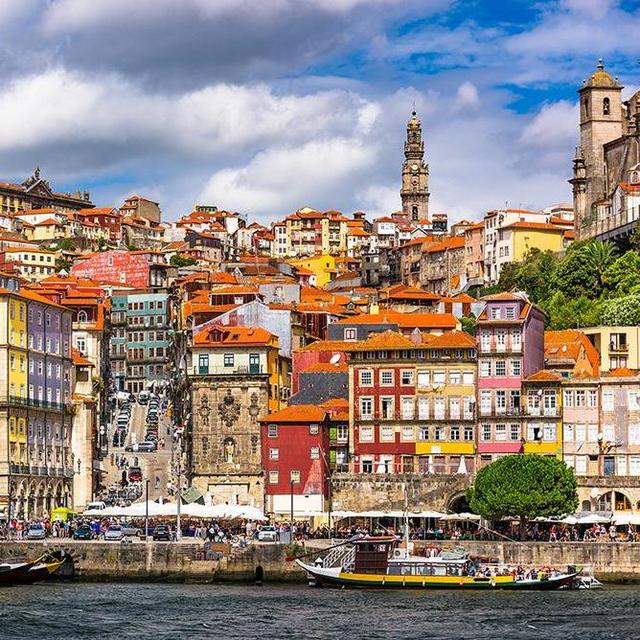
When Sport Lisboa e Benfica lock horns with Futebol Clube do Porto, the fixture transcends a standard 90 minutes of football. Known universally as O Clássico, this battle pits Portugal's two cultural and institutional heavyweights against each other. It captures the fierce historic rivalry between Lisbon and Porto, dividing families, cities, and supporters across the globe. Understanding this fixture means looking past simple league tables and diving into decades of tactical evolution, institutional tension, and unforgettable matches.
The rivalry is rooted in the geographic and cultural split between Portugal’s primary urban centers. Benfica represents the capital and traditional establishment of Lisbon, boasting the largest club membership base in the country. Porto embodies the proud, industrial spirit of the northern region, operating with a fierce regional identity and an unmatched knack for unearthing elite talent. Whenever these sides meet, tactical chess matches and high emotional stakes take center stage. You'll find that few fixtures match the sheer intensity and unyielding tempo generated on the pitch.
Historical Origins and Head-to-Head Evolution
The competitive history between the two clubs stretches back over a century, with the first official competitive meeting taking place in the early 1930s. Across more than 260 official encounters, the ledger remains remarkably tight, reflecting decades of momentum shifts. Porto holds a narrow edge in total all-time victories with 104 wins compared to Benfica's 93, alongside numerous draws that highlight how closely contested these battles usually are.
- Early Decades (1930s–1950s): Benfica established early domestic supremacy, fueled by legendary goalscorers and structured attacking play.
- The Golden Eras (1960s–1980s): Benfica dominated global headlines in the 1960s with iconic European runs, while Porto methodically built the foundations for a domestic counterweight.
- Modern Ascendancy (1980s–Present): Porto shifted the balance through sustained domestic and continental success, establishing a ruthless winning culture that defined the modern era.
Despite fierce domestic competition and a combined haul of four European Cup titles between them—two for Benfica and two for Porto—the two giants have remarkably never crossed paths in a UEFA club competition. Their rivalry unfolds exclusively on domestic stages, heightening the significance of every Primeira Liga, Taça de Portugal, and Supertaça clash. For another perspective on this event, check out the latest coverage from Reuters.
Iconic Encounters and Record Scores
O Clássico has delivered some of the most staggering scorelines in Portuguese football history. While contemporary meetings tend to be tight, cautious affairs dictated by high-stakes tactical chess, the archives contain explosive blowouts that fans still talk about today.
Benfica holds the record for the largest victory in the fixture's history, thrashing Porto 12-2 during a Primeira Divisão match in February 1943. Conversely, Porto has delivered several crushing defeats of their own, most notably a 5-0 victory at the Estádio do Dragão that demonstrated their modern tactical superiority. Recent encounters—such as Porto's 3-1 victory—continue this tradition of high-scoring volatility, where momentum can flip in a single half due to a red card or a tactical substitution.
Stadiums and Atmosphere: The Fortress Factor
The venue plays an undeniable psychological role in O Clássico. Matches alternate between two of Europe's most atmospheric venues: Benfica's Estádio da Luz in Lisbon and Porto's Estádio do Dragão in Porto.
- Estádio da Luz: Known as the Cathedral, it seats over 65,000 passionate supporters who create a wall of red sound during high-profile fixtures.
- Estádio do Dragão: A modern, imposing arena that harnesses northern ferocity, providing a relentless cauldron of noise for visiting teams.
Statistics show that home advantage carries real weight in this fixture. Teams playing on home turf often dictate the tempo, utilizing the crowd's energy to press high and disrupt the opponent's rhythm. Securing an away victory in O Clássico requires immense tactical discipline, mental resilience, and clinical finishing.
Key Players Who Defined the Fixture
Over the decades, individual brilliance has repeatedly settled tight contests. From Eusébio's iconic performances for Benfica to Deco's midfield masterclasses for Porto, elite players embrace the pressure of the fixture.
The fixture also features longevity records. Players like Nené made a record 44 appearances in O Clássico, while legendary marksman José Águas set the benchmark for goals scored in this rivalry with 18 strikes. Managing the psychological burden of the occasion separates club legends from ordinary squad players.
Frequently Asked Questions
Who has won more matches between Benfica and Porto?
FC Porto holds a narrow lead in total all-time victories across official competitions, leading Benfica by a margin of 104 wins to 93, with over 60 draws.
Have Benfica and Porto ever played in Europe?
No. Despite being two of Portugal's most successful clubs on the continental stage with multiple European Cups, they have never faced each other in a UEFA competition.
What was the highest-scoring match in O Clássico history?
The record for the highest-scoring game belongs to Benfica's historic 12-2 victory over Porto in February 1943 during the domestic league campaign.
Which stadiums host O Clássico?
The match alternates between the Estádio da Luz in Lisbon, home of Benfica, and the Estádio do Dragão in Porto, home of FC Porto. You can explore more about Portuguese football culture through resources like Liga Portugal and the Portuguese Football Federation.