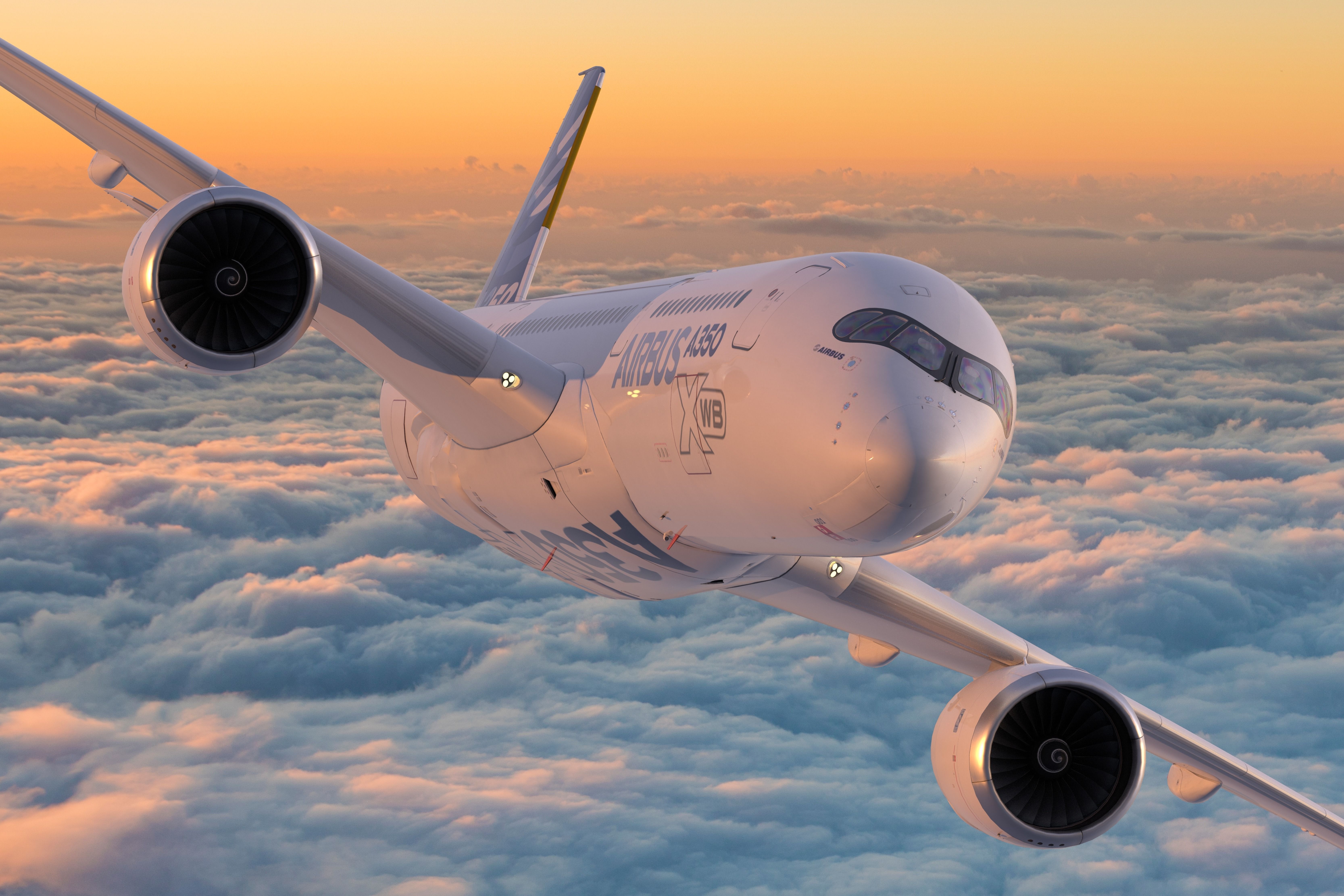
When aviation blogs start buzzing about the Airbus A390, they usually paint a picture of a colossal, three-decker jumbo jet carrying a thousand passengers across oceans. It sounds like an exciting leap past the classic A380, but there is a catch: the aircraft doesn't actually exist. It's a viral concept born from internet fiction, fan-made 3D renders, and speculative YouTube videos rather than an official announcement from Toulouse.
Understanding why this rumor spreads so widely helps clarify how modern commercial aviation actually works. While manufacturers like Airbus focus on twin-engine efficiency and point-to-point routes, internet creators love imagining giant multi-deck liners. Let's break down the origins of the triple-decker myth, what actual heavy aircraft engineering looks like today, and why triple-decker passenger jets face insurmountable practical barriers.
The Origins of the Airbus A390 Myth
The digital footprint of the Airbus A390 traces back to concept art, fictional wiki pages, and automated video channels that blend real corporate logos with completely fabricated specs. These viral posts typically claim that the hypothetical aircraft features three distinct passenger decks, six Rolls-Royce engines, and a capacity exceeding one thousand travelers.
None of these claims appear in official Airbus press releases or investor briefings. Airbus ended production of the actual double-decker A380 because the global airline industry shifted away from massive four-engine giants. Airlines now favor twin-engine widebodies like the Airbus A350 or Boeing 787, which offer better fuel economy and flexibility to fly point-to-point rather than funneling every passenger through congested mega-hubs.
Why Triple-Decker Passenger Jets Don't Make Economic Sense
Building a three-deck passenger aircraft presents massive engineering and logistical hurdles that outweigh any potential seating capacity gains.
- Airport Infrastructure Limits: Major global airports are already optimized for Code F aircraft like the A380. Adding a third deck would push fuselage heights beyond standard jet bridge clearances, requiring billions of dollars in terminal redesigns worldwide.
- Evacuation Certification: Federal aviation regulators require that any commercial airliner safely evacuate a full complement of passengers within 90 seconds using only half of its emergency exits. Managing an evacuation from a third, hyper-elevated floor introduces severe safety certification bottlenecks.
- Turnaround Times: Pumping 1,000-plus people onto a single plane requires extended boarding windows. If an aircraft sits at a gate for three hours loading passengers, airlines lose the high utilization rates necessary to turn a profit.
- Weight and Fuel Penalties: Extra decks mean heavier structural frames, which demand more thrust, burn more fuel, and ultimately drive operating costs per seat past the threshold of economic viability.
What Airbus Is Actually Developing
Instead of pursuing fictional triple-decker designs, Airbus focuses engineering capital on sustainability, digitalization, and long-range efficiency. Projects like the Airbus sustainable flight initiatives focus on hydrogen propulsion, advanced composite materials, and ultra-efficient turbofans. The future of long-haul travel centers on reducing carbon footprints and matching capacity precisely to passenger demand, not stacking more floors into a flying tube.
Common Misconceptions About Jumbo Jets
Internet rumors often blur the lines between real aerospace engineering and digital fiction. Sorting fact from viral fiction requires looking at how fleets actually operate.
- Fictional vs. Real Designations: Airbus designates its aircraft systematically (A320, A330, A350, A380). An "A390" does not exist in any official production ledger or patent office filing.
- Engine Counts: Modern long-haul aviation has definitively moved away from four-engine configurations. Even the largest modern freighters and airliners rely on two high-bypass turbofans for reliability and fuel savings.
- Passenger Capacities: While high-density configurations exist, cramming a thousand passengers into a single hull creates severe operational bottlenecks during baggage claim, security routing, and border control.
Frequently Asked Questions
Is the Airbus A390 a real plane currently in development?
No. The Airbus A390 is entirely fictional, originating from internet concept art, speculative YouTube channels, and fictional wiki pages. Airbus has no active program under this name.
Why did Airbus stop building the A380 if big planes are popular?
Airlines shifted preference toward smaller, twin-engine widebodies that can fly point-to-point rather than routing all passengers through central hub airports. Four-engine aircraft became too expensive to operate profitably on most routes.
What is the largest passenger airplane flying today?
The Boeing 747-8 and the Airbus A380 remain the largest commercial passenger aircraft ever built, though A380 production concluded in 2021.
Will commercial aviation ever see a triple-decker aircraft?
Current regulatory requirements, airport gate dimensions, and passenger evacuation rules make a triple-decker commercial passenger jet practically impossible to certify and operate economically.


