Agua oxigenada volume 10 is a 3% concentration of hydrogen peroxide that functions as a versatile mild antiseptic, household disinfectant, and stain lifter. Unlike industrial-grade peroxides that require extreme caution, this consumer-friendly strength releases oxygen upon contact with organic matter, breaking down cell walls of bacteria and fungi without leaving toxic chemical residues behind.
Understanding how this solution behaves chemically helps you apply it effectively across household cleaning, personal grooming, and basic plant care. Let's break down its exact mechanisms, practical applications, and the vital safety boundaries you shouldn't ignore.
How Agua Oxigenada Volume 10 Works
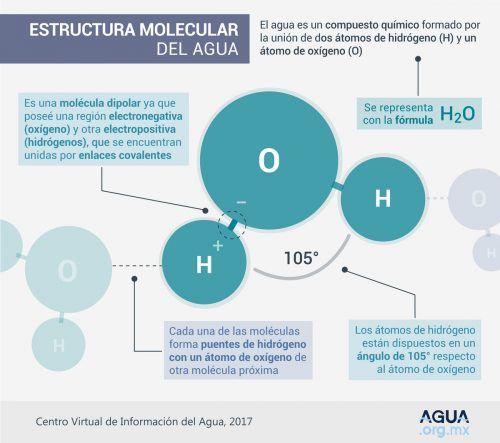
At its core, hydrogen peroxide ($H_2O_2$) is an unstable molecule looking to shed an extra oxygen atom. When volume 10 touches catalase enzymes found in blood, bacteria, or organic dirt, it immediately fizzes and decomposes into water ($H_2O$) and reactive oxygen ($O$).
This oxidation reaction disrupts cell membranes of anaerobic microbes—pathogens that thrive in low-oxygen environments. Because the reaction is non-selective, it oxidizes proteins and pigments indiscriminately. That's why it lifts organic stains like blood or wine from clothing, but it's also why it can bleach fabrics or irritate skin if left unmonitored.
Everyday Uses and Benefits
Household Cleaning and Surface Disinfection
You can use volume 10 hydrogen peroxide to sanitize hard surfaces like countertops, cutting boards, and bathroom tiles. Spray the liquid directly onto a clean surface, let it sit for five to ten minutes to allow complete microbial destruction, and wipe it down with a damp cloth. It tackles common household bacteria like Escherichia coli effectively.
Laundry Stain Removal
Stubborn organic stains don't stand a chance against bubbling oxidation. Apply a small amount directly to grass, blood, or sweat stains on white or colorfast garments, let it fizz for a minute, and toss the item into the wash. It acts as an eco-friendly alternative to chlorine bleach, brightening fabrics without releasing harsh fumes.
Plant Care and Seedling Protection
Gardeners frequently dilute volume 10 hydrogen peroxide to manage fungal spores and root rot in container plants and hydroponic setups. A weak dilution introduces extra oxygen molecules to the root zone, discouraging anaerobic fungi while helping roots absorb vital nutrients.
Common Mistakes to Avoid
- Mixing with vinegar: Combining hydrogen peroxide and vinegar in the same bottle creates peracetic acid, a highly corrosive chemical that irritates eyes and respiratory tracts. Always use cleaning agents separately and rinse surfaces thoroughly between products.
- Using on delicate natural stones: Pouring peroxide on marble or limestone can etch and ruin the polished finish.
- Storing in clear containers: Light exposure accelerates the breakdown of hydrogen peroxide into plain water, rendering it useless. Keep it in its original opaque bottle.
Frequently Asked Questions
Is volume 10 hydrogen peroxide safe for skin?
Yes, standard 3% hydrogen peroxide is generally safe for minor skin cleansing, though frequent use can dry out the skin barrier or delay wound healing by damaging healthy regenerating cells.
Can I use agua oxigenada to whiten teeth?
While some DIY trends suggest using it as a mouthwash, dentists advise against it. Unsupervised use can damage tooth enamel and irritate soft gum tissues.
How long does an open bottle remain potent?
Once opened, hydrogen peroxide gradually loses potency over six months to a year as ambient light and air break down its reactive oxygen bonds. Check for fizzing by dropping a tiny amount on organic matter to test if it's still active.
Does it kill mold on walls?
It works well on non-porous surfaces like tiles and glass to eliminate surface mold. However, on porous drywall or wood, it may not penetrate deep enough to kill mold roots hidden beneath the surface.